
Wealth and Redistribution
The Vampire Prince’s BrideThis flow follows the anthology’s repeated contrast between extreme wealth, inherited poverty, and the moral demand to use resources responsibly.
increasing Bearing strength in each event
 decreasing
Bearing strength in each eventdecreasingConcentrated Wealth

Fortunes as Power
Material Excess
Billionaire heroes control mansions, companies, estates, and political influence.
Moral Suspicion
Their wealth initially makes heroines question whether affection can be separated from money.
Poverty as Pressure
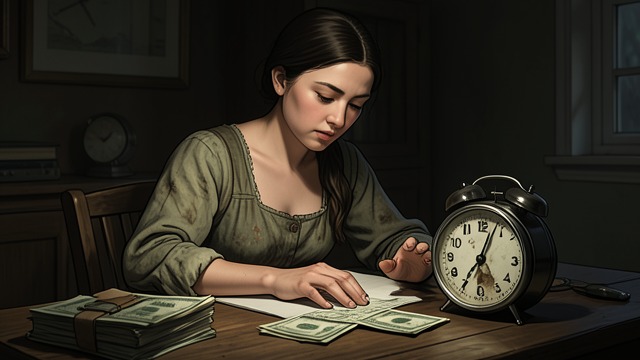
Economic Vulnerability
Debt and Precarity
Danita, Maribel, Scarlett, and Mack confront debts, unemployment, or financial insecurity.
Exploitation
Antagonists use economic weakness to justify coercion and control.
Charitable Action

Wealth Reconsidered
Direct Help
The wealthy heroes pay debts, fund schools, repair farms, and support vulnerable families.
Limits
Their generosity does not erase structural inequality, but it demonstrates a shift from possession to stewardship.
Ethical Partnership
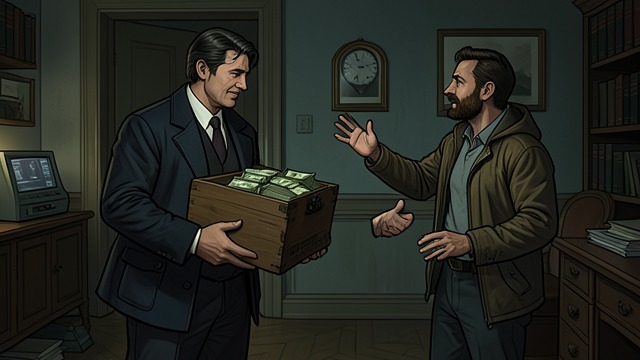
Money Under Negotiation
Resistance
The heroines challenge gifts that feel like ownership or bribery.
Accountability
The couples negotiate support as partnership, investment, or shared social responsibility.
Redistributive Futures
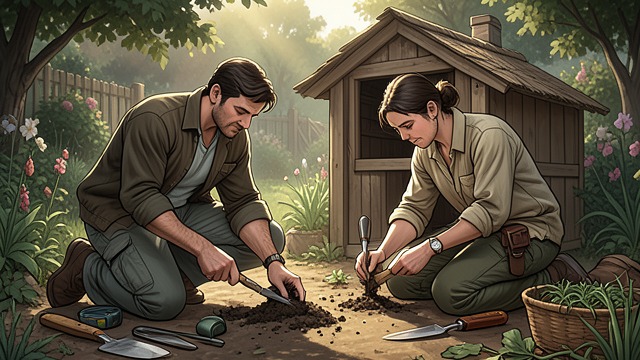
Prosperity Reimagined
Institutions
The couples build galleries, shelters, farms, schools, and sanctuaries rather than merely displaying luxury.
Legacy
Wealth becomes a tool for community continuity and protection.
at the opening of the billionaire romances
during the heroines’ initial crises
after the heroes learn the heroines’ values
after romance becomes mutual
in the final domestic futures
