Esmeralda Chooses Aleksander
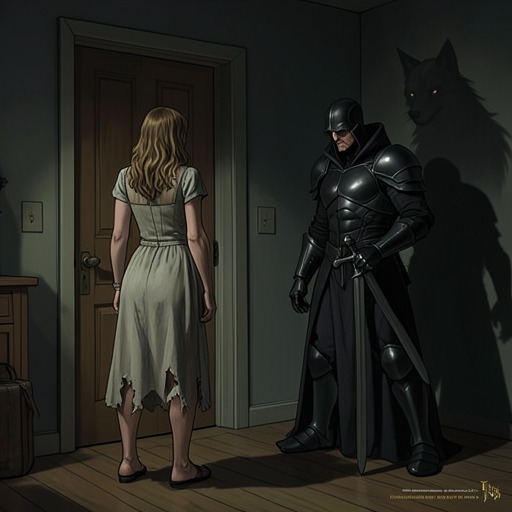
The Vampire's Pet: Romantasy at its darkest (Blood and Kisses Chronicles : A Dark, Gothic Romance Series)Esmeralda Chooses Aleksander is the turning point that converts a relationship shaped by captivity, fear, blood, and unequal power into an openly affirmed fated-mate bond. In the confrontation between Aleksander and Esmeralda’s family, Esmeralda does not merely remain with the vampire who bought her; she actively returns to him, defends the future he offers, and accepts the social and biological consequences of that choice. Her decision challenges both her father’s authority and the assumption that species, pack duty, and political boundaries can determine whom she must love.
The Choice in the Forest
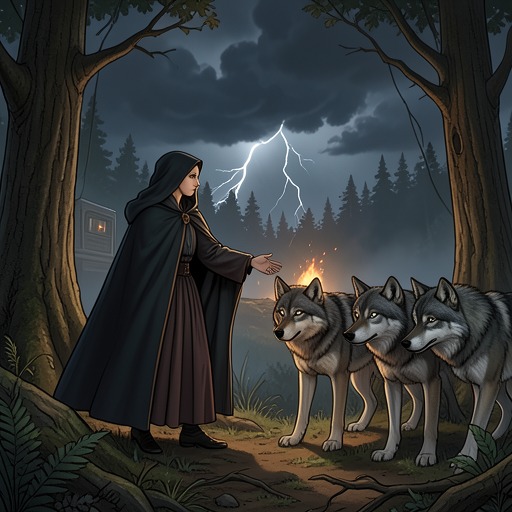
Esmeralda’s choice becomes visible when Alyson releases her during the confrontation. Rather than retreating toward her family, Esmeralda throws herself into Aleksander’s arms. He is battered, bruised, and bleeding, yet her return gives him immediate relief; the physical reunion makes their bond legible before anyone formally explains it. Esmeralda’s tears and her admission that she thought she would never see him again establish that separation has clarified, rather than weakened, her attachment. Aleksander answers that he would have gone to the ends of the world to find her, turning the reunion into a mutual declaration rather than a one-sided claim.
The scene also reveals why Esmeralda’s family came for her. She is the daughter of Thomas and Alyson, the Alpha and Luna of a pack of werewolf witches, and the next leader of that pack. Her value to the family is therefore both personal and political. Thomas’s attempt to protect her is inseparable from his duty to preserve the pack, while Alyson’s authority as Luna allows her to question him publicly. Esmeralda’s return to Aleksander thus occurs under the pressure of an entire succession system: choosing him may alter not only her private life but also the future leadership of her people.
From Vampire Pet to Fated Mate
The choice carries particular weight because Esmeralda first entered Aleksander’s life as a human pet within the vampire pet system. When he explained that he would care for her while she kept him company, she nervously asked whether he would drink from her, and he answered that he would, although he wanted her to desire it rather than submit immediately in fear. His possessive rule that only he could see her without the Black Gemstone Collar further exposed the controlling structure surrounding their intimacy. These details make her later choice morally and emotionally complicated: the bond does not erase the coercive conditions of their beginning.
At the same time, the relationship changes through Esmeralda’s own initiated acts. After Aleksander explained that fresh human blood was more powerful than Blood Wine and could increase a vampire’s strength and healing, Esmeralda suddenly offered him her blood. Her offer reverses the earlier pattern in which she feared being consumed. It does not make the power imbalance disappear, but it gives her desire a concrete form and establishes a new mode of attachment through consent expressed in action. The later embrace continues that movement from possession toward reciprocity: she is not dragged back to Aleksander, but releases herself into his arms.
Conflict with Thomas and Alyson
Thomas rejects the bond because he believes the Moon Goddess would not unite a werewolf with a vampire. Alyson counters that the Moon Goddess disregards species and acts according to her own will, and that no bond is purer or more important than that of fated mates. Her intervention supplies the supernatural principle that legitimizes Esmeralda’s decision against Thomas’s racial and political objection. The conflict therefore places three forms of authority against one another: the Alpha’s protective duty, the Luna’s interpretation of divine will, and Esmeralda’s own choice.
Alyson ultimately accepts that the Moon Goddess has chosen Aleksander for her daughter, but she makes the cost explicit. If Esmeralda becomes a vampire, she will no longer be able to lead the pack. Esmeralda answers with an unambiguous acceptance of that consequence, explaining that her brother has always wanted leadership anyway, and then states that she loves Aleksander. Her words transform the choice from an emotional reaction at the moment of rescue into a considered renunciation of succession. She does not claim that the sacrifice is painless; she accepts it because the relationship has become more important than the position prepared for her from birth.
Immortality and Separation
Aleksander’s response reveals the danger beneath the romance. Thomas warns that, after Esmeralda’s death, Aleksander would live alone for hundreds of years in mourning. Aleksander answers that he could turn her into a vampire so that she would live as long as he does. The proposal offers permanence, but it also threatens a final break with Esmeralda’s pack and with the life she was born to lead. Thomas immediately objects, while Esmeralda cries out in favor of it. Her response confirms that she is choosing not merely Aleksander’s present companionship but a shared immortal future.
Alyson asks whether Esmeralda is certain because there would be no going back. That warning gives the decision its irreversible form. Esmeralda’s agreement is not presented as ignorance: she understands that vampirism would prevent her from leading the pack and still accepts it. Her love is therefore joined to metamorphosis, exile, and the surrender of an inherited identity. The choice resolves the immediate question of whom she will follow while opening a larger question about what kind of being and social member she will become.
Consequences and Narrative Significance
The reunion also forces Aleksander to confront the history of his possession of Esmeralda. Alyson apologizes for the destruction of his mansion and the loss of his butler, explaining that the pack believed Esmeralda was being held against her will and badly treated. Aleksander remembers that Esmeralda really was a prisoner when she first tried to escape, even though she is now choosing to remain with him. That acknowledgment prevents the fated-mate revelation from simply rewriting the past. The relationship has changed, but its coercive beginning remains part of its truth.
The choice is made more dangerous by the surrounding political order. The Queen has reinstated the old vampire laws, human breeding farms have opened, and opposition has been suppressed through violence or death. Thomas’s final position reflects a parallel territorial boundary: for the safety of the pack, he cannot permit vampires to visit. Esmeralda’s decision therefore crosses both a species boundary and a political prohibition. It joins the private romance to the book’s wider conflict over racial hierarchy, inherited law, and the power of institutions to define legitimate belonging.
Esmeralda’s affirmation is consequently both a romantic resolution and a narrative reversal. The girl once frightened by the prospect of being fed upon becomes the person who offers Aleksander her blood, returns to him in front of her parents, supports the possibility of becoming a vampire, and gives up pack leadership because she loves him. Her choice does not abolish the costs imposed by family, species, or law; it makes those costs visible and places responsibility for accepting them in her hands. The event establishes the fated-mate bond as stronger than Thomas’s resistance and secures the central pair’s shared direction, even as it leaves Esmeralda’s relationship with her pack and her future transformation at a point of profound separation.