
The Decline of Nantucket and New Bedford
The WhaleThis flow traces the conflict between old whaling wealth and new markets, technologies, and landscapes that eventually displace the industry.
increasing Bearing strength in each event
 decreasing
Bearing strength in each eventdecreasingA Port Built on Oil
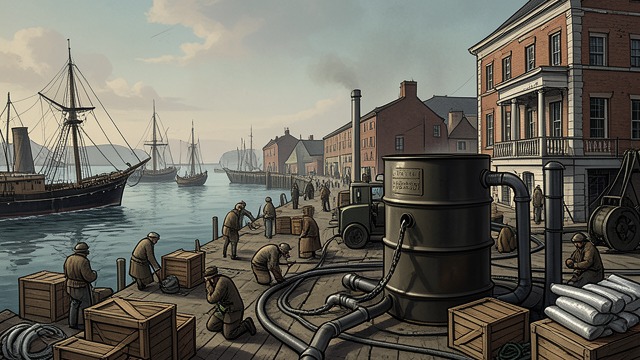
New Bedford’s Prosperity
Commercial concentration
Ships, outfitters, banks, and processing businesses gather around the waterfront. Whale oil and baleen connect the city to distant markets and industrial growth.
A hidden dependency
The port’s wealth depends on continuing access to whales and the labour of crews. The same concentration that brings prosperity makes the city vulnerable to changes in the market.
Harbour versus Fleet
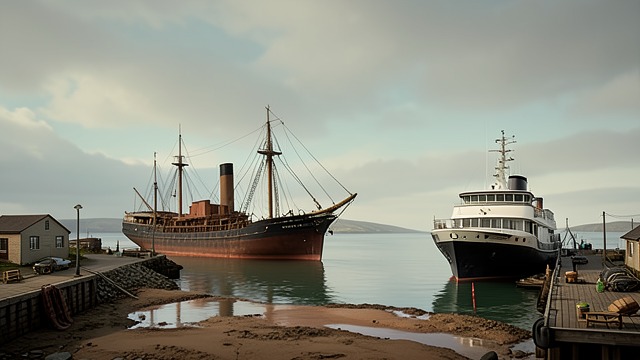
Nantucket Loses Advantage
A geographical constraint
The harbour’s shallow and silting approach obstructs larger ships travelling farther for sperm whales. New Bedford has a practical advantage in access and scale.
A commercial transfer
Businesses and residents leave Nantucket, shifting the center of whaling toward the mainland. Geography quietly turns the island’s historic distinction into an obstacle.
Oil from the Ground
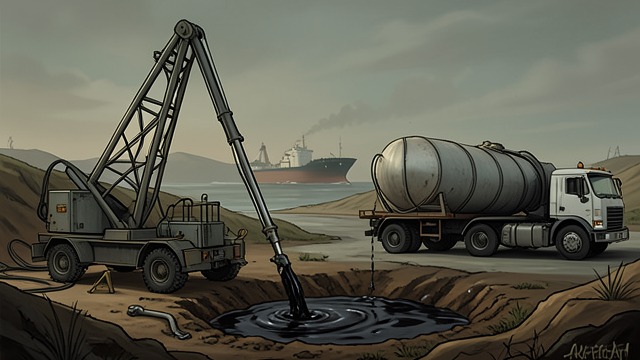
Petroleum Changes the Market
A rival fuel
Drake’s well at Titusville signals a new source of illumination and energy. Petroleum begins to undermine the demand that sustained whale-oil fortunes.
One extraction replaces another
The decline of whale hunting does not end resource exploitation. A new industry takes over the role of plundering natural materials for human use.
War and Ship Losses
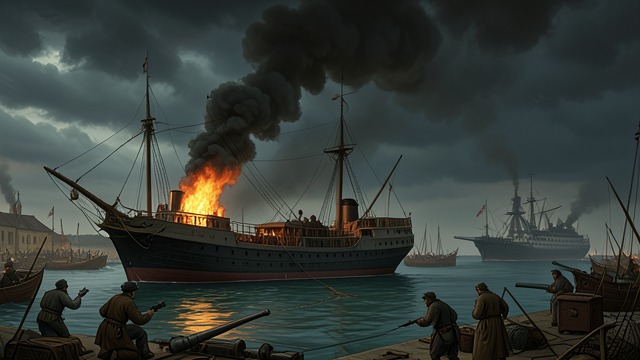
The Fleet Damaged
Ships destroyed or withheld
Confederate attacks and Union blockading operations damage the Yankee whaling fleet. Some vessels are captured or burned, while others are deliberately sunk to obstruct southern harbours.
A weakened industry
The fleet never fully regains its former strength. War accelerates a decline already encouraged by new fuels and shifting commercial priorities.
A Heritage without a Fleet
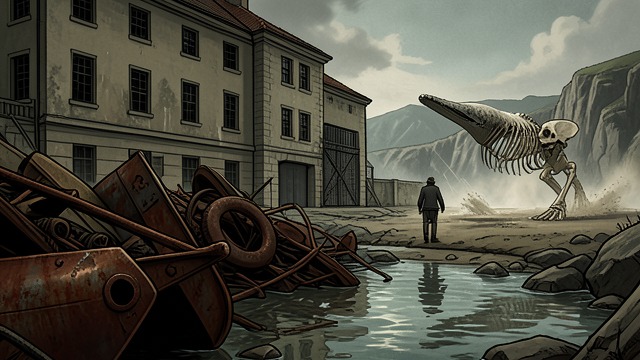
The Port Becomes Memory
A final departure
Nantucket’s last whaling ship leaves as the old trade contracts. Empty wharves and quiet streets replace the activity that once shaped the island.
A new kind of value
The history of whaling survives in museums, buildings, and local identity. The whale remains present as a cultural emblem after it has largely disappeared as a commercial resource.
During the 1840s
During the 1840s
After 1859
During the American Civil War era
After the last Nantucket whaling ship departs in 1869
