
The Whale’s Body and Human Industry
The WhaleThis flow traces the conversion of whale bodies into commodities and the gradual recognition that industrial use has obscured the animals themselves.
increasing Bearing strength in each event
 decreasing
Bearing strength in each eventdecreasingOil for Light

The Whale Illuminates Cities
A useful substance
Sperm oil and spermaceti fuel lamps and lubricate machinery. Whale products help light streets and homes before other technologies displace them.
The source disappears
The animal’s body is valued through what it can provide. Human dependence on whale products hides the living whale behind a stream of useful materials.
Baleen as Material
Flexible Bone for Industry
A versatile product
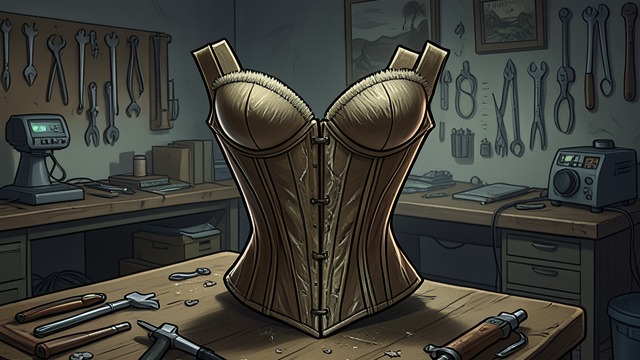
Baleen is shaped into corset stays, umbrellas, brushes, and other goods. Its flexibility turns an animal structure into a manufactured material.
A body rendered useful
The market treats the whale’s distinctive anatomy as an inventory of resources. The resulting products outlast the animals and make extraction seem ordinary.
The Factory Ship
Industrial Rendering
Whole-body processing
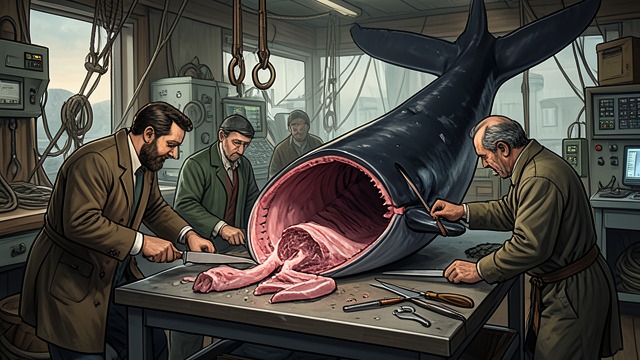
Factory ships cut whales apart at sea and process their meat and oil in enormous quantities. The system makes the carcass another unit in a production line.
Distance from the killing
Work takes place far from public view, where the violence can appear administratively normal. The resulting commodities enter economies without a visible encounter with the animal.
Whale Goods at Home
Hidden Ingredients
Everyday consumption
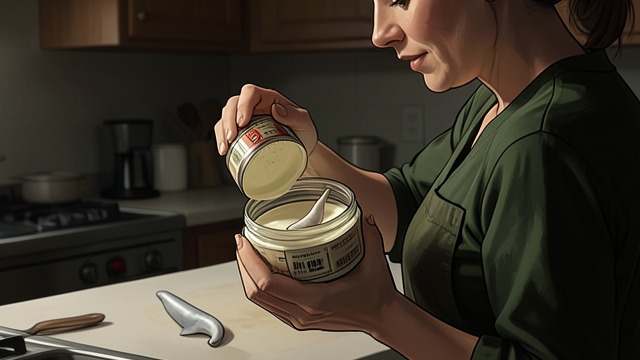
Hoare recalls whale products in margarine, cosmetics, and household materials. A consumer may encounter the whale’s residue without knowing where it came from.
An intimate complicity
The whale is not only killed at a distance; its products become part of domestic life. Remembering those products links personal history to industrial whaling.
The Question of Use
Beyond Market Value
A different measure
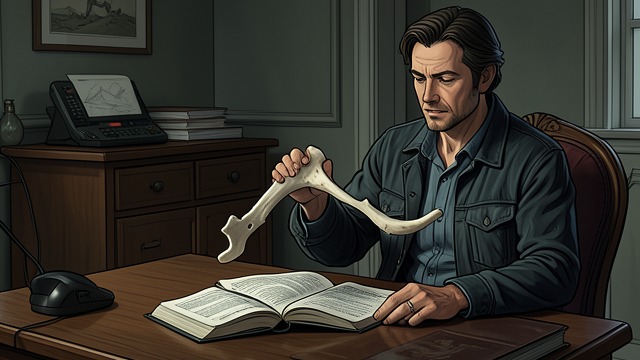
The question of whether knowledge of whale bone and oil amounts to knowing the whale challenges a purely commercial view. Biological and social lives exceed the value of products.
A change in responsibility
Conservation asks humans to recognize whales as living beings rather than raw material. The argument does not erase history, but changes what that history demands of its readers.
From the eighteenth century
During the eighteenth and nineteenth centuries
During the twentieth-century whaling boom
During Hoare’s childhood
During Hoare’s later reflections
