
The Tunstall Whale’s Afterlife
The WhaleThis flow follows a sperm whale from its 1825 stranding through scientific study and eventual rediscovery of its scattered skeleton.
increasing Bearing strength in each event
 decreasing
Bearing strength in each eventdecreasingA Whale on the Shore
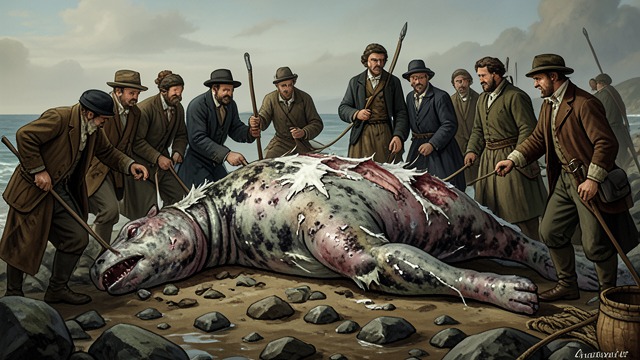
The Tunstall Stranding
A huge arrival
A dead sperm whale washes onto the beach at Tunstall, drawing crowds from the surrounding area. Its size and damaged appearance make it both spectacle and scientific opportunity.
A rapidly changing body
Onlookers cut into the animal as it decays. The whale’s condition makes careful study difficult and turns possession of the carcase into a contest over value and knowledge.
A Scientific Dissection
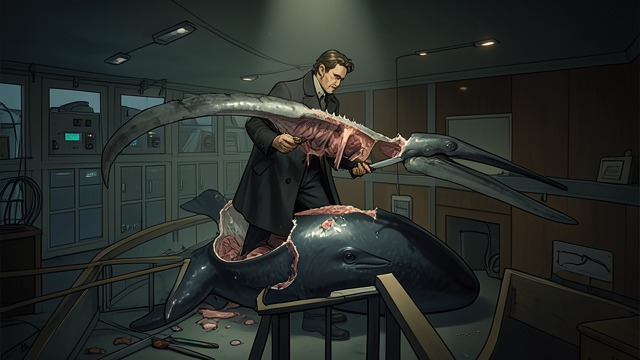
The Carcase Examined
Anatomy in fragments
James Alderson records the whale’s measurements and examines its parts as the body is cut up. The study describes features that cannot easily be understood from a living animal at sea.
Commercial and scientific value
Blubber, spermaceti, and meat have potential economic uses, but the specimen also promises scientific distinction. The competing interests accelerate the whale’s dismantling.
Beale’s Examination
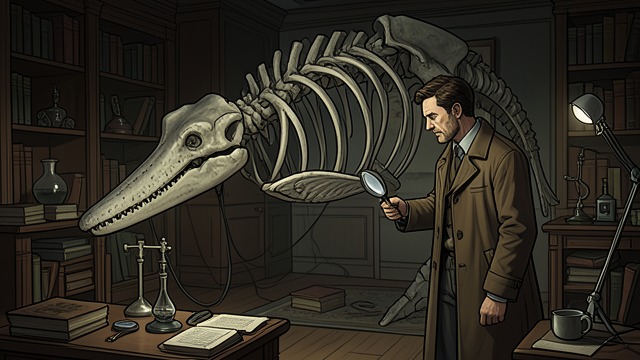
Bones Made Legible
A rare specimen
Thomas Beale studies the skeleton at Burton Constable, using it to describe the structure of the sperm whale in unusual detail. His work benefits from firsthand experience of living whales.
A reference animal
The skeleton becomes a standard for comparison and a foundation for later accounts, including Melville’s. Scientific description gives the whale a second life as a source of knowledge.
Neglect in the Grounds
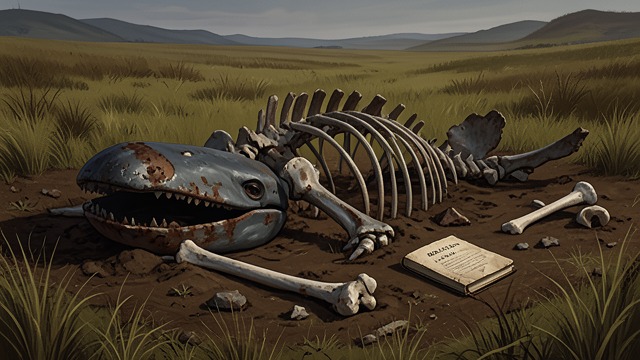
Bones Dispersed
A broken display
The articulated skeleton is left in poor condition, moved among a field, a barn, and other neglected spaces. Parts of the animal become separated from one another.
A fragile survival
Exposure, rust, and human interference threaten the remains. Their survival depends on later curators and historians recognizing their unusual importance.
The Skeleton Recovered
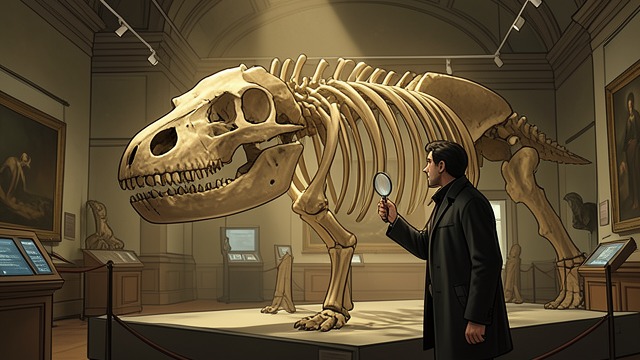
A Whale Reassembled
Recovery from the ground
Michael Boyd excavates and salvages most of the skeleton, relying in part on Beale’s published measurements. The whale is recovered from decades of neglect.
A relic of literature and science
The bones are displayed again, now connected to both cetology and Moby-Dick. Their restored presence still represents only a fraction of the living animal.
On 28 April 1825
In the days following the stranding
After Thomas Beale arrives in Yorkshire
From the 1830s into the late twentieth century
In 1996 and afterward
