
The Meaning of Home
The Whisper ManThis flow traces the novel’s changing definition of home from a place of safety to a relationship built through trust and protection.
increasing Bearing strength in each event
 decreasing
Bearing strength in each eventdecreasingHome as Loss
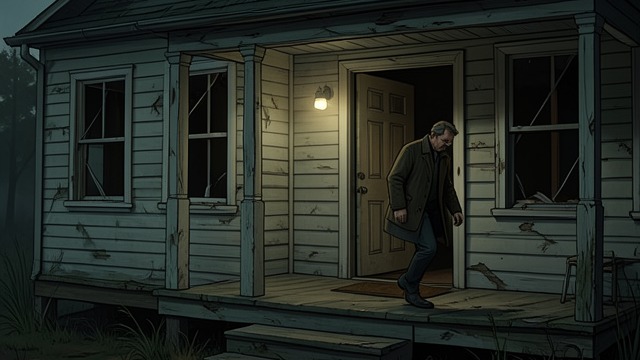
Home as Loss
A Deadened House
Tom experiences the old family home as a place that began dying when Rebecca died. Objects remain, but their emotional center has vanished.
Jake’s Avoidance
Jake refuses to look at the place where he found Rebecca. The house contains both memory and fear, making ordinary movement difficult.
The Need to Leave
Moving is presented as a fresh start, but Tom carries the old grief with him. A new address cannot automatically create a new home.
Home as Captivity
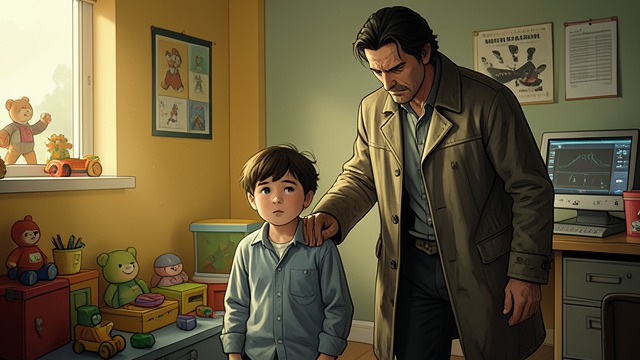
Home as Captivity
Francis’s Promise
Francis tells Jake that the attic is a safe home. He uses domestic language to conceal the fact that the child is locked inside.
Decoration as Control
Grass, butterflies, toys, and bright walls imitate childhood comfort. The visual softness makes the coercion more disturbing because the setting has been designed to resemble care.
The False Family
Francis wants Jake to accept him as a parent. His demand reveals that home is not a building but a relationship, and possession cannot create belonging.
Home as Relationship
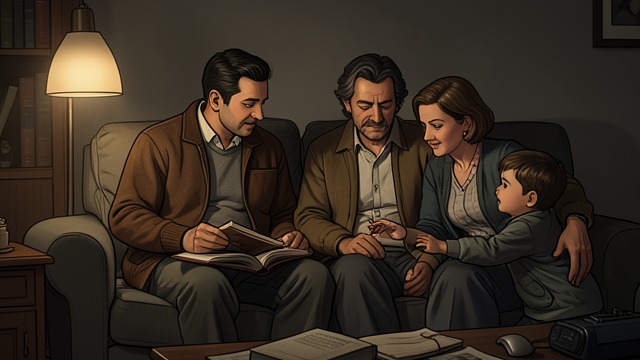
Home as Relationship
Return to the House
Tom and Jake resume life at 13 Garholt Street after the crime scene is cleared. The building remains associated with danger, but it no longer determines their future.
Shared Rituals
Reading, drawing, and bedtime affection create a sense of safety more reliable than locks alone. Tom learns that presence matters more than perfect control.
A New Definition
Home becomes the place where Jake can be heard and protected without being remade. The novel ends by locating safety in mutual recognition rather than architecture.
After Rebecca’s death
During Jake’s abduction
After Jake’s return
