
The Father-Son Inheritance
The Whisper ManThis flow examines how fathers transmit fear, tenderness, addiction, and moral responsibility across generations.
increasing Bearing strength in each event
 decreasing
Bearing strength in each eventdecreasingFear from Pete
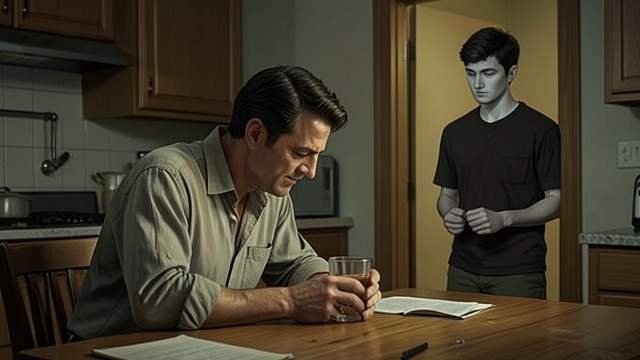
Fear from Pete
The Unstable Father
Pete Willis’s alcoholism and anger shape Tom Kennedy’s earliest understanding of adulthood. The child experiences the household as a place where danger can arrive without warning.
Memory as Identity
Tom carries a vivid image of violence into adulthood. Whether exact or reconstructed, the memory teaches him to define Pete as someone who must never be allowed near him again.
The Contradiction
Pete’s later sobriety cannot erase the damage. It can only show that a person may change after having already shaped another life through harm.
Fear Passed to Jake
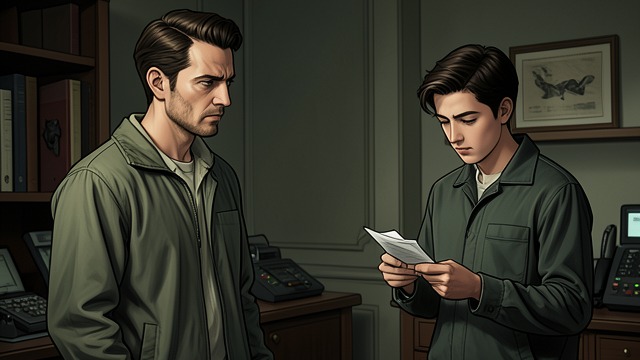
Fear Passed to Jake
Tom’s Anxiety
Tom Kennedy fears that Jake Kennedy’s sensitivity will expose him to the cruelty Tom experienced as a child. Protection therefore becomes mixed with impatience and control.
The Repeated Distance
Tom’s frustration makes Jake feel like a burden, echoing Tom’s own childhood belief that he was unwanted. The pattern is not identical to Pete’s violence, but it carries the same emotional grammar.
Recognition
Tom begins to see that love alone does not prevent inheritance. He must change his responses, not merely promise that he is different from his father.
Violence Passed to Francis
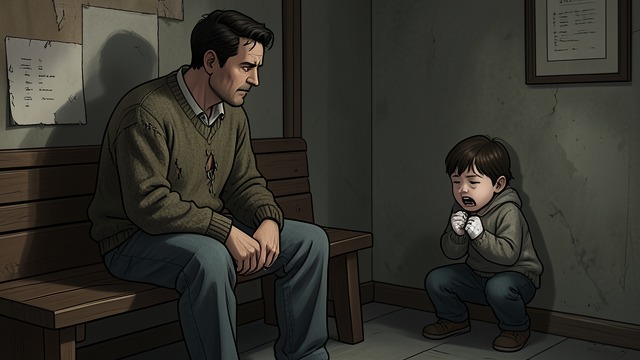
Violence Passed to Francis
The Abused Child
Francis Carter survives his father’s crimes but internalizes Frank Carter’s contempt. He learns that children can be treated as objects through which adults act out hatred.
A Benevolent Reversal
Francis attempts to become the opposite of Frank by caring for neglected children. Yet his care still depends on obedience, proving that the emotional structure of abuse remains intact.
Repetition
When Neil Spencer disappoints him, Francis reproduces the violence he once witnessed. Inheritances are not destiny, but they become dangerous when unexamined.
Tom’s childhood
After Rebecca’s death
After Frank’s arrest
