
The Limits of Redemption
The Whisper ManThis flow examines which characters achieve moral change and which merely reinterpret their violence as care.
increasing Bearing strength in each event
 decreasing
Bearing strength in each eventdecreasingTom’s Partial Redemption

Tom’s Partial Redemption
Failure Acknowledged
Tom recognizes that he has been too hard on Jake and has mistaken silence for defiance. He does not excuse his behavior, but he begins to understand its consequences.
Action Over Self-Pity
He risks his life at George Saunders’s house rather than remaining paralyzed by guilt. The rescue does not make him perfect; it proves that love can produce decisive action.
Continuing Work
Tom returns to writing and addresses Jake directly. Redemption becomes an ongoing practice of attention rather than a final emotional victory.
Pete’s Moral Repair
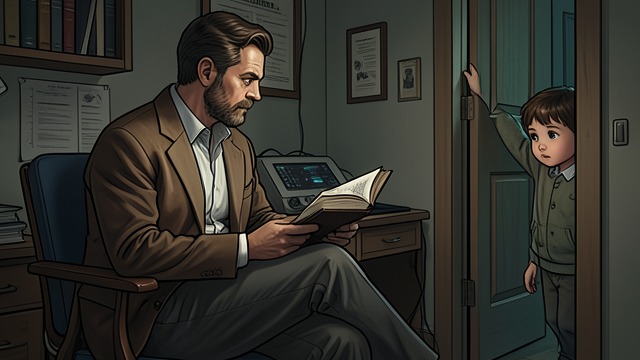
Pete’s Moral Repair
The Old Failure
Pete believes that abandoning Tom was necessary, yet he also understands that absence damaged his son. The past cannot be repaired through explanation alone.
Present Protection
He reads to Jake and protects him from immediate danger. These acts do not replace fatherhood, but they allow Pete to behave differently when the chance finally appears.
An Incomplete Redemption
Pete dies without fully reconciling with Tom. His moral repair survives through what he gives Jake and through the emotional recognition Tom begins to allow.
Francis’s Failed Redemption
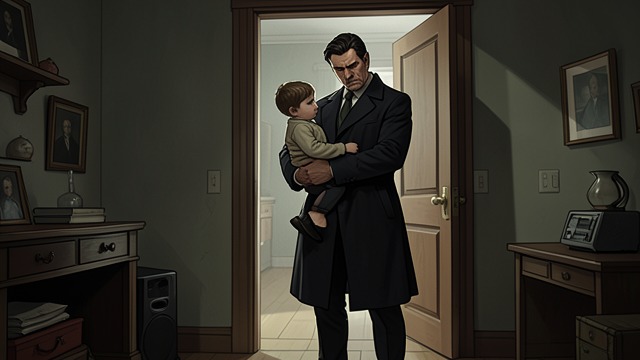
Francis’s Failed Redemption
The Rescue Idea
Francis believes that caring for neglected children can compensate for his inability to save himself. His intention contains genuine pity, but it is built on control.
The Return of Violence
Neil Spencer’s resistance triggers the same hatred Francis inherited from Frank Carter. The attempted rescue becomes murder, proving that good intentions cannot survive without self-knowledge.
The Captive Reversal
Francis abducts Jake and recreates his father’s world. His final imprisonment offers no redemption because he still interprets violence as a form of correction and love.
After Jake’s rescue
During the final days of his life
From Neil’s captivity to arrest
