Dart
The Wild RobotDart the weasel is a small, sharp-voiced presence in the island's animal community, a creature whose appearances mark the turning points of the wild robot's acceptance among the animals. He is first heard, not seen, at the gathering in the Great Prairie where the animals have assembled to discuss a mysterious creature spotted in their midst. His questions and outbursts place him among the skeptics, the voices of caution and fear that Roz must overcome to find her place on the island.
Identity and Introduction
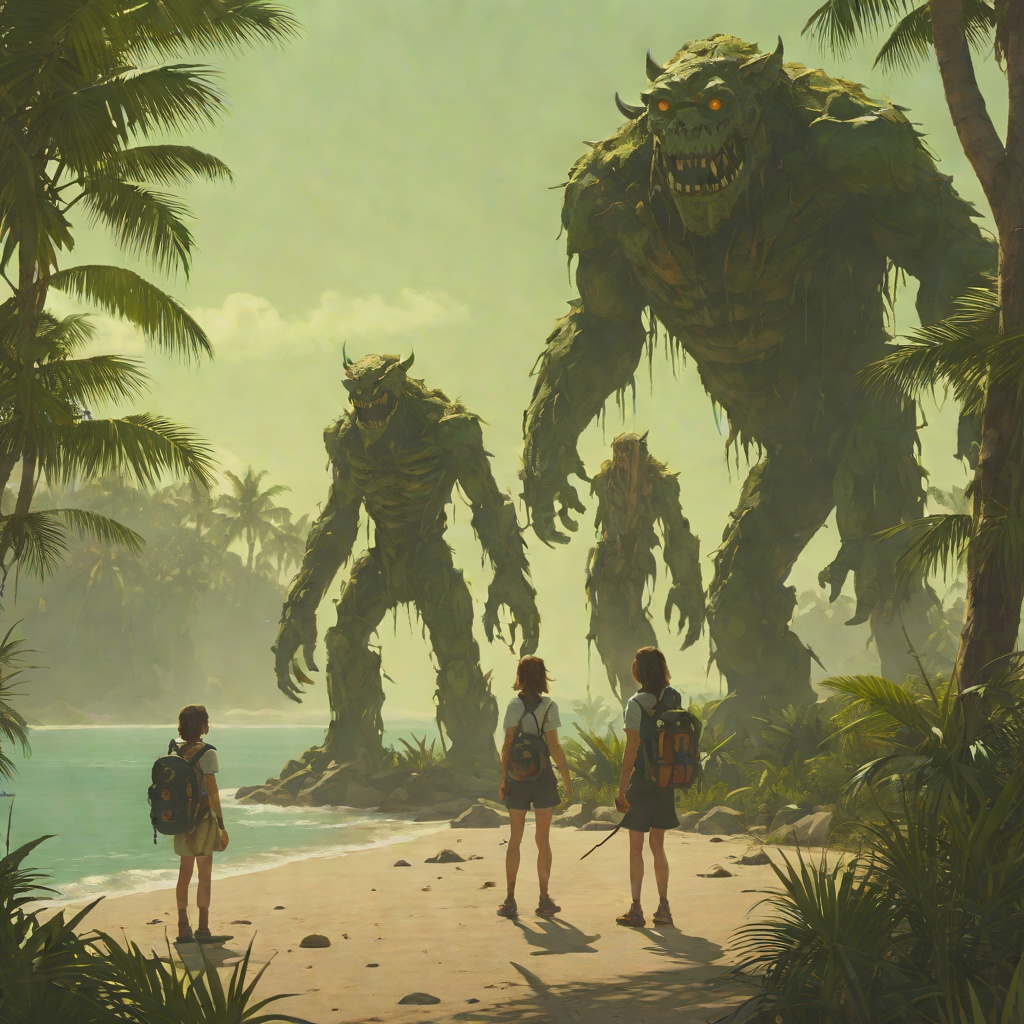
Dart is introduced during the animals' assembly in the Great Prairie, called by Swooper the owl, who reports having seen a mysterious creature covered in grass the previous night. When Swooper describes the creature as speaking, repeating the same words over and over with each repetition sounding slightly different—first like a cricket, then a raccoon, finally an owl—Dart is the one who asks the pointed question: "What was it saying?" This moment establishes Dart as an inquisitive but wary presence, one who wants information but is not necessarily prepared to welcome whatever the creature might be. He is identified as a weasel, a small predator whose natural wariness of the unknown makes him a fitting voice for the community's collective anxiety.
Life and Plot Trajectory
Dart's trajectory follows the island's gradual shift from hostility to trust. When Roz reveals herself to the assembled animals, declaring "I am not a monster. I am a robot," a flock of sparrows suddenly takes flight, and Dart is among the first to voice open rejection. Crouching in the grass, he squeals, "Leave us alone! Go back to the horrible place you came from!" His words echo the community's fear of the unnatural, a fear that Roz must patiently dismantle. When Roz explains that she has observed how different animals have different ways of surviving and asks each of them to teach her their survival techniques, Dart's skepticism is shared by others—the owl hoots that Roz looks so unnatural, and Digdown the marmot cries that the monster is waiting to swallow them all before disappearing into a hole. Dart's resistance is part of a chorus, but his voice is distinctive in its directness and its refusal to be won over easily.
Key Actions and Objectives
Dart's primary objective is the protection of his community from what he perceives as a threat. His questions and protests are not malicious but defensive, the instinct of a small creature who knows that survival depends on caution. He does not seek to understand Roz; he seeks to drive her away. This places him in opposition to the more curious or open-minded animals, and his resistance highlights the courage of Roz's patient approach. Rather than forcing the animals to accept her, Roz observes them, learns their languages, and gradually demonstrates her usefulness. Dart's hostility is a test that Roz must pass, and his eventual silence in the face of her good works suggests that even the most resistant members of the community are won over, or at least neutralized, by her efforts.
Relationships and Conflict
Dart's relationship with Roz is defined by conflict, but it is a conflict that evolves. His initial rejection gives way to a grudging tolerance as Roz proves herself through her actions. The evidence of this shift is indirect but telling: Dart appears among the animals who accept Roz's truce and benefit from her construction of winter lodges. When Roz asks the animals to gather stones, branches, and pieces of frozen mud to build a second lodge, the animals "accepted with joy the robot's truce, then they dragged themselves into the warm wooden dome." Dart, as one of the island's creatures, is part of this acceptance, though the narrative does not single him out for individual reconciliation. His story is folded into the larger community's story, a reminder that even the most resistant individuals are ultimately part of the collective.
Change and Ending
Dart's ending is among the novel's most haunting images. During the devastating winter, when a cold front descends from the north bringing dangerous temperatures and enormous amounts of snow, Roz gathers firewood and discovers the frozen bodies of the animals who could not survive. She finds a frozen mouse, a frozen bird, a frozen deer—and Dart the weasel, frozen solid. Roz looks at his stiff body for a moment and decides it is better to leave the poor creature where he is. The image of Dart's frozen body is a stark contrast to his earlier vitality, his sharp questions and defiant squeals now silenced by the cold. His death is not singled out for special mourning; it is one among many, a testament to the winter's indiscriminate cruelty. But for the reader who remembers his voice at the assembly, his frozen form carries a particular weight—the skeptic who was never fully won over, now beyond all persuasion.
Narrative Role and Evaluation
Dart serves as a representative of the island's initial resistance to Roz, a voice of the community's fear of the unnatural. His arc, from vocal skeptic to silent victim, mirrors the larger themes of the novel: the difficulty of acceptance, the cost of winter, and the fragility of life in the wild. His death is not a punishment for his skepticism but a consequence of the season's brutality, a reminder that the natural world is indifferent to the distinctions between friend and foe. In this, Dart's story contributes to the novel's meditation on the relationship between the mechanical and the natural, the wild and the tame. He is a small character with a small arc, but his presence lingers—a reminder that every voice in the community, even the most resistant, matters, and that the winter takes them all the same.