Fink
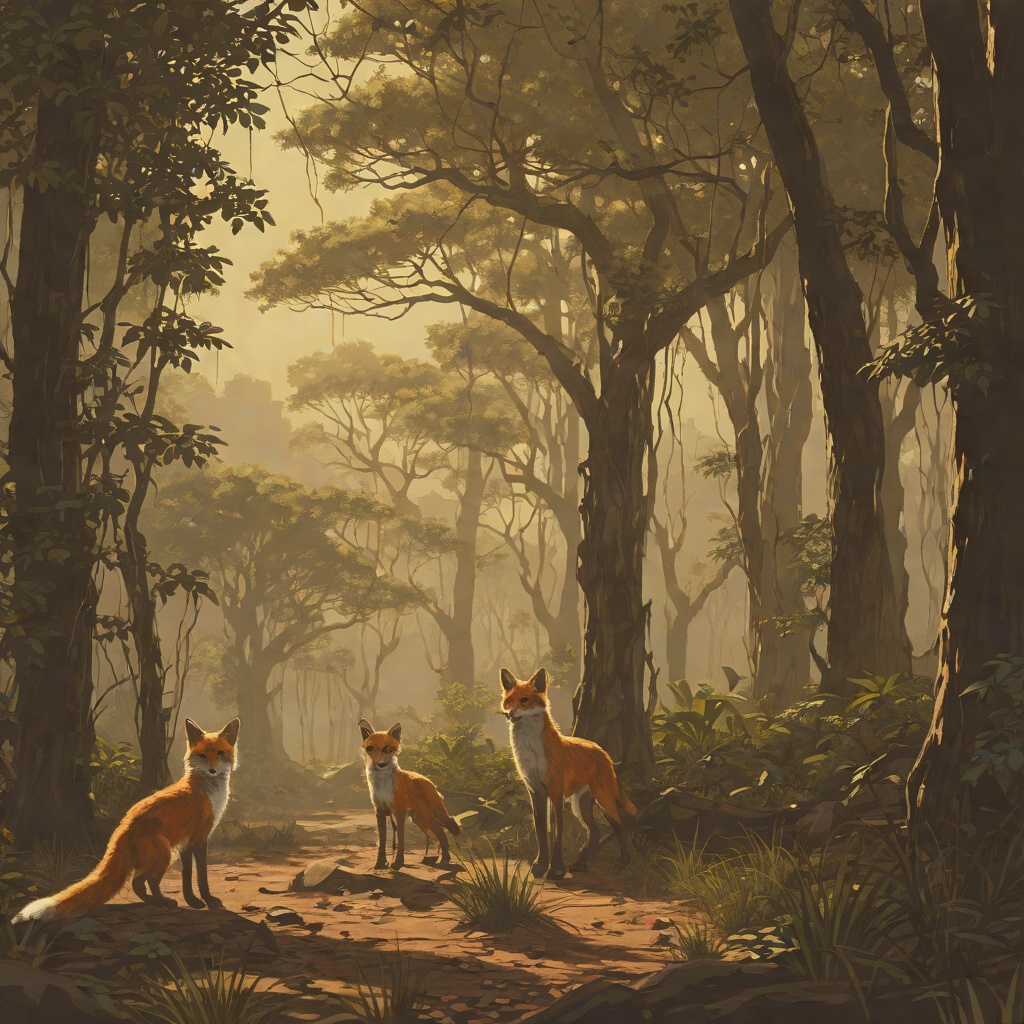
The Wild RobotFink the fox is one of the most dynamic animal characters in The Wild Robot, a figure whose personal transformation mirrors the island's larger journey from fear and isolation to community and cooperation. He first appears as a creature of pure self-interest, defined by his sharp tongue and sharper survival instincts, but he gradually becomes one of Roz's most steadfast allies and a leader in the island's defense. His arc is a testament to the novel's belief that even the most guarded of creatures can be changed by genuine kindness.
Identity and Introduction
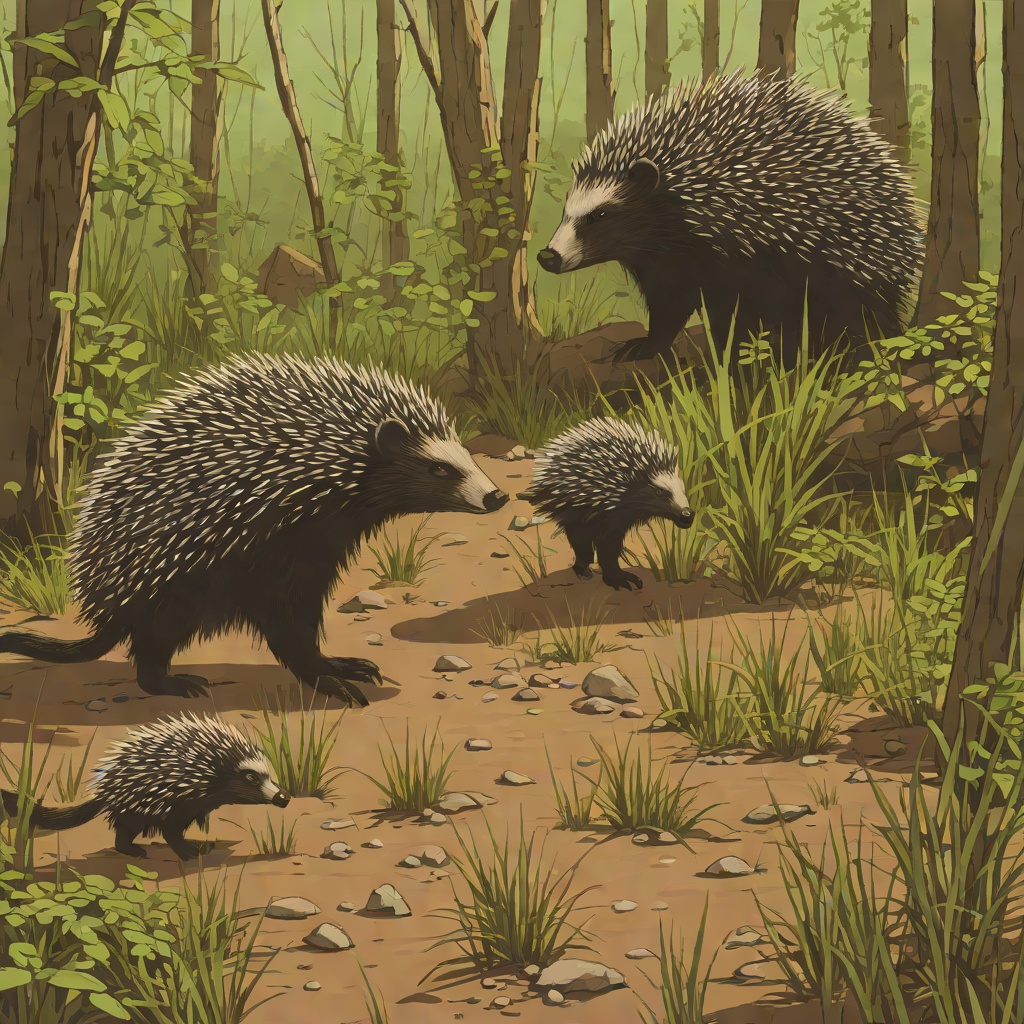
Fink is introduced as a fox of considerable pride and vanity, a trait made painfully clear when he is first encountered lying on a log, screaming in agony with his face full of long, sharp porcupine quills. His immediate cry is not for help but for his appearance: "My face! My beautiful face! Someone help!" This moment establishes him as a character deeply concerned with his own image and comfort, and his initial interaction with Roz is marked by suspicion and reluctance. When Roz offers to leave, he quickly reverses course, pleading, "No! Please don't go! I'll take what I can get." This early exchange reveals the core of his personality: a proud creature who must swallow his pride when his own well-being is at stake. His introduction also places him within the island's initial climate of hostility, where Roz, covered in dirt and green things, is met with hostile words wherever she goes. Fink is part of that wary, suspicious world, yet his physical vulnerability creates the first crack in his resistance to the strange robot.
Arc Through the Plot
Fink's relationship with Roz deepens significantly during the harsh winter, a period that tests the island's inhabitants. After the Nid becomes a refuge for many animals fleeing the cold, Fink is among the lodgers. As the animals prepare to leave in the morning, he steps carefully over a hare and a woodpecker on his way to the door, offering Roz a rare moment of genuine gratitude. "Thank you very much, Roz," he says. "I don't think I would have survived another night by myself. It's just a shame we can't squeeze a few more creatures in here." This statement is a turning point for Fink. It is the first time he openly acknowledges his dependence on others and his appreciation for Roz's hospitality. His comment about wanting to fit more creatures in also signals a shift from pure self-concern to a nascent concern for the wider community, a sentiment that Roz herself shares and acts upon by expanding the Nid. The fox who once could only think of his own beautiful face is now thinking of the welfare of others.
Key Actions and Objectives
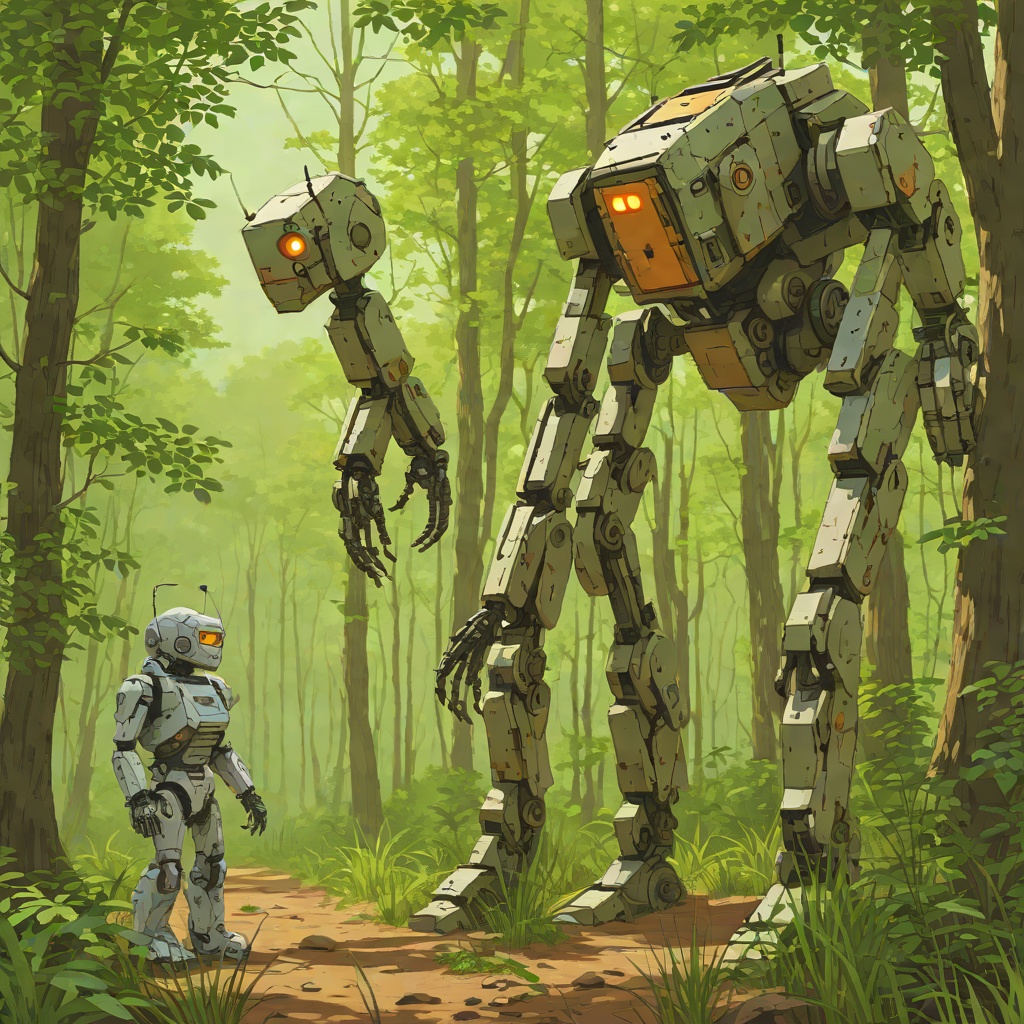
Fink's transformation culminates in the island's coordinated defense against the RECO robots, where he emerges as a field commander of the animal army. While Swooper the owl hoots orders from above, directing hawks, sparrows, and owls to dive at the robots' eyes, Fink barks orders from below. "Hares, weasels, foxes! Dash between his legs!" he commands, orchestrating a ground-level assault designed to distract and disorient the mechanical intruder. This moment is a far cry from the vain, injured fox of the novel's opening. Fink has become a strategist and a leader, using his knowledge of the forest and its creatures to mount a defense of his home and his friend. His objective has shifted from personal survival to the protection of the community he has come to belong to, and he throws himself into the fray with the same intensity he once reserved for his own complaints.
Relationships and Conflict
The central relationship in Fink's life is his friendship with Roz, which evolves from wary tolerance to deep loyalty. His initial acceptance of her help is grudging, but her consistent kindness and protection wear down his defenses. The winter in the Nid solidifies their bond, as he comes to rely on her shelter and care. This relationship is the engine of his change, proving that the robot's non-judgmental compassion can reach even the most cynical of hearts. His conflict is not only with the external threat of the RECOs but also with his own nature. As a fox, his instincts are for self-preservation and cunning, yet his friendship with Roz pushes him toward selflessness and collective action. In the battle against the RECOs, he channels his natural cunning into a strategic role, using his fox-like understanding of the terrain and its creatures to lead the defense. The conflict between his old, solitary nature and his new, communal role is resolved in favor of the latter, as he stands shoulder to shoulder with hares, weasels, and other foxes in a unified front.
Change and Ending
Fink's journey is one of the novel's clearest illustrations of personal growth. He begins as a creature defined by vanity and self-interest, screaming over his own reflection, and ends as a leader willing to risk his life for others. The change is not abrupt but gradual, built through small moments of gratitude and shared hardship. His comment about not surviving another night alone is a confession of vulnerability that would have been unthinkable for the fox who first met Roz. By the time of the RECO attack, he has fully integrated into the island's community, using his voice not to complain but to command. His ending, while not the focus of the narrative's final moments, is one of redemption through connection. The fox who once had no one has found a family, and he proves his loyalty by fighting for it.
Narrative Role and Evaluation
Fink serves as a crucial foil and ally to Roz, embodying the novel's theme that kindness can transform even the most resistant hearts. His arc provides a counterpoint to Roz's own journey of learning to be wild, showing that the island's creatures are also capable of change. He is a round character in the Forsterian sense, capable of surprising the reader convincingly as he sheds his selfish exterior to reveal a loyal and brave heart. His role as a commander in the final battle elevates him from a mere comic or cynical sidekick to a genuine hero, proving that the bonds forged through friendship are stronger than the instincts of the wild. Through Fink, the novel argues that community is not a natural state but a choice, one that requires setting aside pride and fear to embrace the help and companionship of others.