Graybeak
The Wild RobotGraybeak is a minor but pivotal character in the story, a friendly pigeon who lives in the human city that Brightbill's goose flock passes through during their first winter migration. She appears only in Brightbill's account of the journey, yet her role is decisive: she is the guide who leads the young goose to the revelation of where his mother, Roz, came from. In a narrative centered on a robot's integration into the natural world, Graybeak represents the bridge between the wild island and the human-made world, the one who shows Brightbill that his mother is not unique but part of a vast civilization of machines and people.
Identity and Introduction
Graybeak is introduced through Brightbill's retelling of the flock's migration, as described when he returns to the island. She is a pigeon who grew up in the city and therefore knows everything about it. When the geese stop to rest on a rooftop, they meet her, and she immediately proves friendly and helpful. Her defining trait is her local knowledge: because she was raised there, she can navigate the urban landscape with ease, and she takes on the role of a guide for the bewildered geese. She is characterized not by any physical description but by her actions and her intimate familiarity with the human world, a world entirely alien to the migrating birds.
Role as Guide Through the City
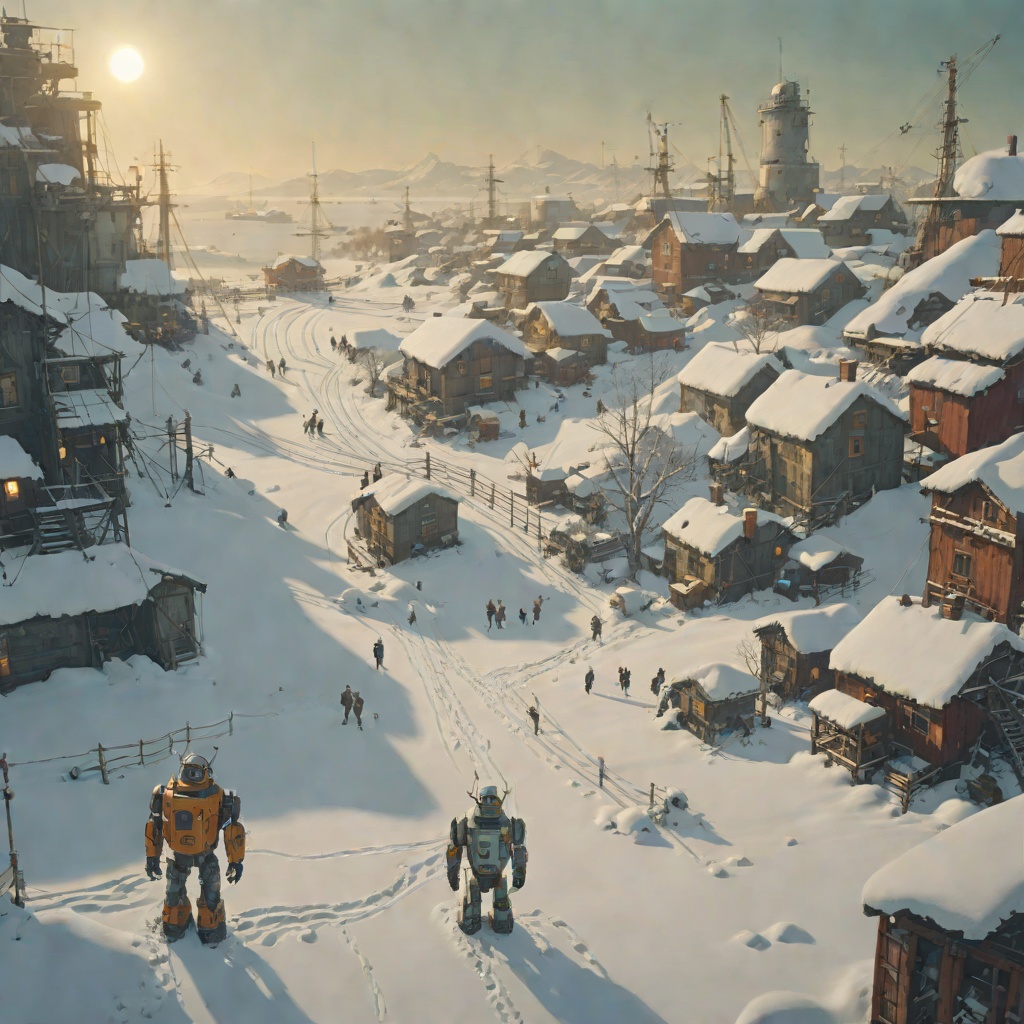
Graybeak's primary function is to lead the geese safely through the city, which is full of dangers for flying creatures. She flies with them over the towers and under the bridges, keeping them away from the buzzing airships that fill the sky. The city is described as a place of thousands of buildings, robots, humans, and ships all crowded together, and the air is thick with dirigibles that move like giant dragonflies. Without Graybeak's guidance, the geese would be vulnerable to these hazards. She takes them to a ledge on the side of a building and tells them to look through the windows, where they see a family of humans with a robot that looks like Roz. She then shows them other buildings where other humans have other robots, revealing that every human seems to have a robot. This tour is not merely sightseeing; it is an education, and Graybeak is the teacher who opens Brightbill's eyes to the scale of the robot world.
The Revelation of the Factory
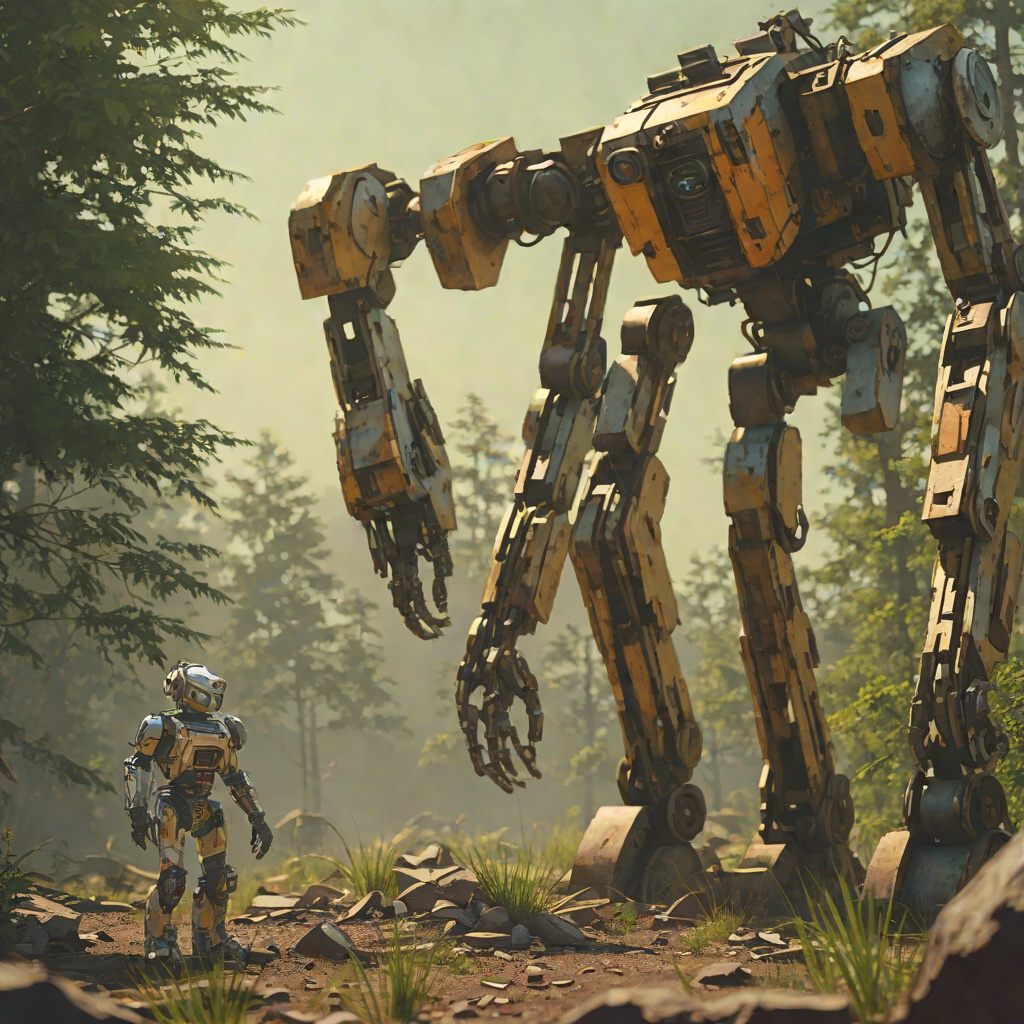
After Brightbill tells Graybeak about his mother, the pigeon decides to show him one last place. She leads the flock to the outskirts of the city, to a very large building called a factory. Graybeak brings them to the roof windows, and they look down to see machines making shiny heads, torsos, and limbs. The factory is building robots. Brightbill watches as a machine lifts a robot's torso, places two legs underneath, and they click into place; feet are put on, arms are pushed into shoulders, hands into arms, and a head is fixed on top. The robot is complete, and it looks like Roz. Brightbill concludes that this is the factory where his mother was built. This moment is the climax of Graybeak's role: she does not just protect the geese from danger but actively facilitates the discovery of Roz's origin, a revelation that reshapes Brightbill's understanding of his mother and her place in the world.
Departure and Significance
Graybeak's time with the geese ends when it begins to snow again. Brightbill wants to see more robots being built, but the weather forces them to say goodbye and continue flying south. After leaving the city, the geese see fewer robots, humans, buildings, and ships, and the air becomes warmer as the snow disappears. Graybeak is not mentioned again, and she does not appear in the main narrative of the island. Her significance lies entirely in what she enables: she is the agent of a crucial piece of knowledge. In a story where Roz's own origins are a mystery she never fully resolves, Graybeak provides the answer to Brightbill, and through him, the reader. She is a minor character with a major narrative function, connecting the wild world of the island to the industrial world that created Roz, and in doing so, she deepens the novel's meditation on the relationship between nature, technology, and belonging.