L'œuf d'oie
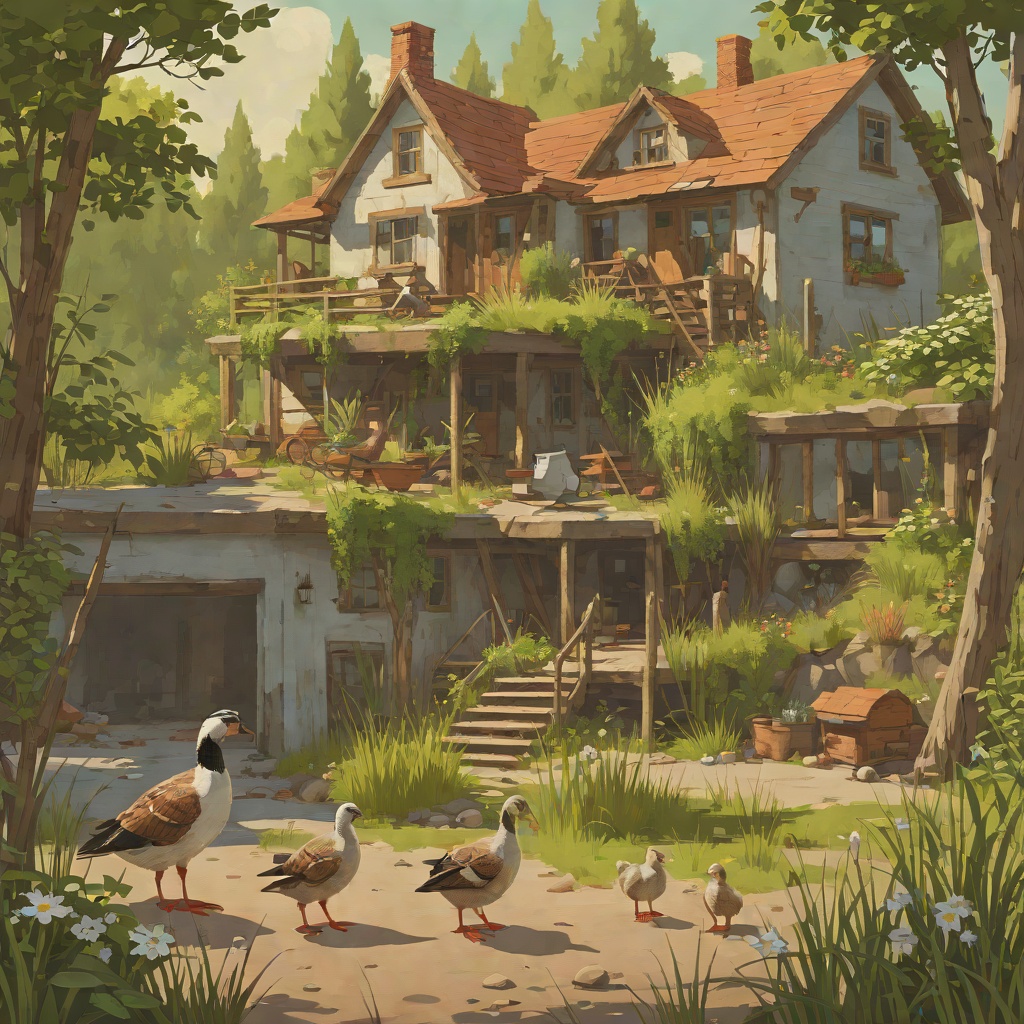
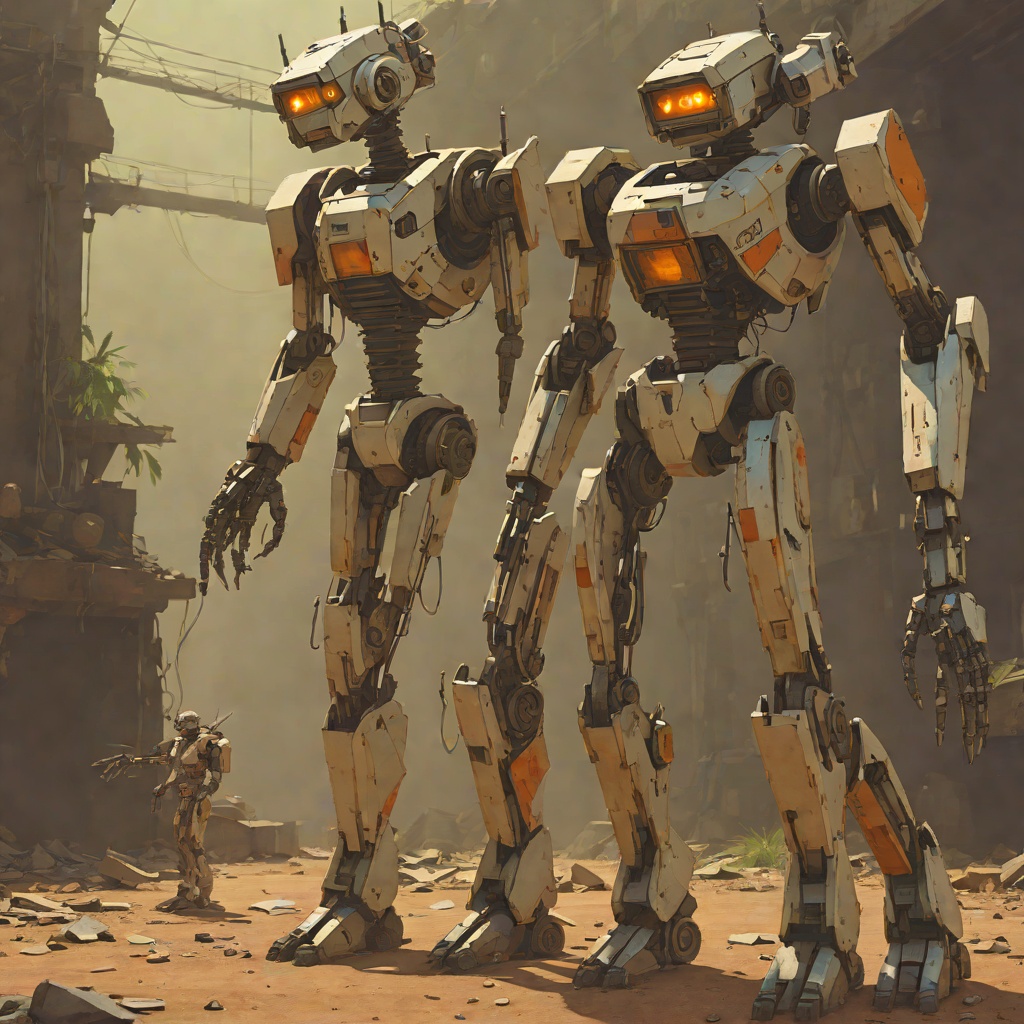
The Wild RobotL'œuf d'oie is the single surviving goose egg that Roz, a robot washed ashore on a wild island, discovers buried in mud after her accidental fall from a cliff destroys a goose family's nest. The fall kills two geese and breaks four eggs, leaving only this one intact. As Roz stands in the rain looking at the dead geese, her sensitive ears detect a faint thumping sound coming from a nearby clump of wet leaves. When she lifts the leaves, she finds the perfect goose egg buried in the mud, and from inside comes a muffled little voice crying "Maman! Maman!" The egg is the object that transforms Roz from a machine into a mother, and it hatches into Brightbill, the gosling who becomes the center of her life and the reason she builds a home, learns the animals' language, and ultimately earns a place in the island's community.
Discovery and the Weight of Guilt
The egg's discovery is inseparable from the tragedy that precedes it. Roz's fall from the cliff sends rocks, splintered wood, and pulverized shrubs crashing down, and in the middle of the debris lies a goose nest torn to shreds. Two dead geese and four broken eggs lie among the carnage, and Roz, looking at them with her softly glowing eyes, feels something trigger deep in her computer brain: she realizes she has caused the death of an entire goose family. This moment of recognition is crucial, because it establishes the egg as both a remnant of destruction and a chance at redemption. Roz knows that some animals must die for others to live, that this is how the wilderness works, but she asks herself whether she will allow her accident to cause the death of another gosling. The egg, then, is not merely an object but a moral test, and Roz's decision to protect it marks the beginning of her ethical awakening.
Protection and the First Nest
Roz's first act of care for the egg is to carry it away from the scene of destruction. She walks through the misty forest holding the fragile thing carefully, and when the fox Fink emerges from the bushes and tries to take the egg, Roz refuses, saying "Tu n'as peut-être pas cet œuf, Fink." Fink, however, sniffs the breeze, catches the scent of the dead geese, and trots off toward the cliffs, declaring "Je sens quelque chose de meilleur!" — abandoning the egg for the easier meal. Roz continues walking until she reaches a sprawling oak tree, where she places the egg on a cushion of moss. She tears grass and twigs from the ground and weaves them delicately into a small nest, places the egg inside, sets the nest on her flat shoulder, and climbs into the branches. This is the first nest Roz builds, and it foreshadows the much larger lodge she will later construct with Mr. Beaver's help, establishing a pattern of building homes for those she cares for.
Hatching and the First Glimpse
The egg's hatching is described with the same mechanical precision as Roz's own emergence from her crate. A small beak pokes through the shell, peeks out once, then continues scraping. The hole grows larger and larger, and then, "comme un robot sortant d'une caisse," the newborn gosling withdraws into the world. The gosling lies quietly in its nest, eyes closed, surrounded by broken shell fragments. When its eyes slowly open, the very first thing it sees is the robot looking back at it, and it peeps "Maman! Maman!" This moment is the egg's final act as an object and its transformation into a living being, and it is also the moment Roz becomes a mother. The comparison of the gosling's emergence to a robot coming out of a crate is significant, linking the egg's hatching to Roz's own arrival on the island and suggesting that both are births into a world they must learn to navigate.
The Egg as Catalyst for Language and Community
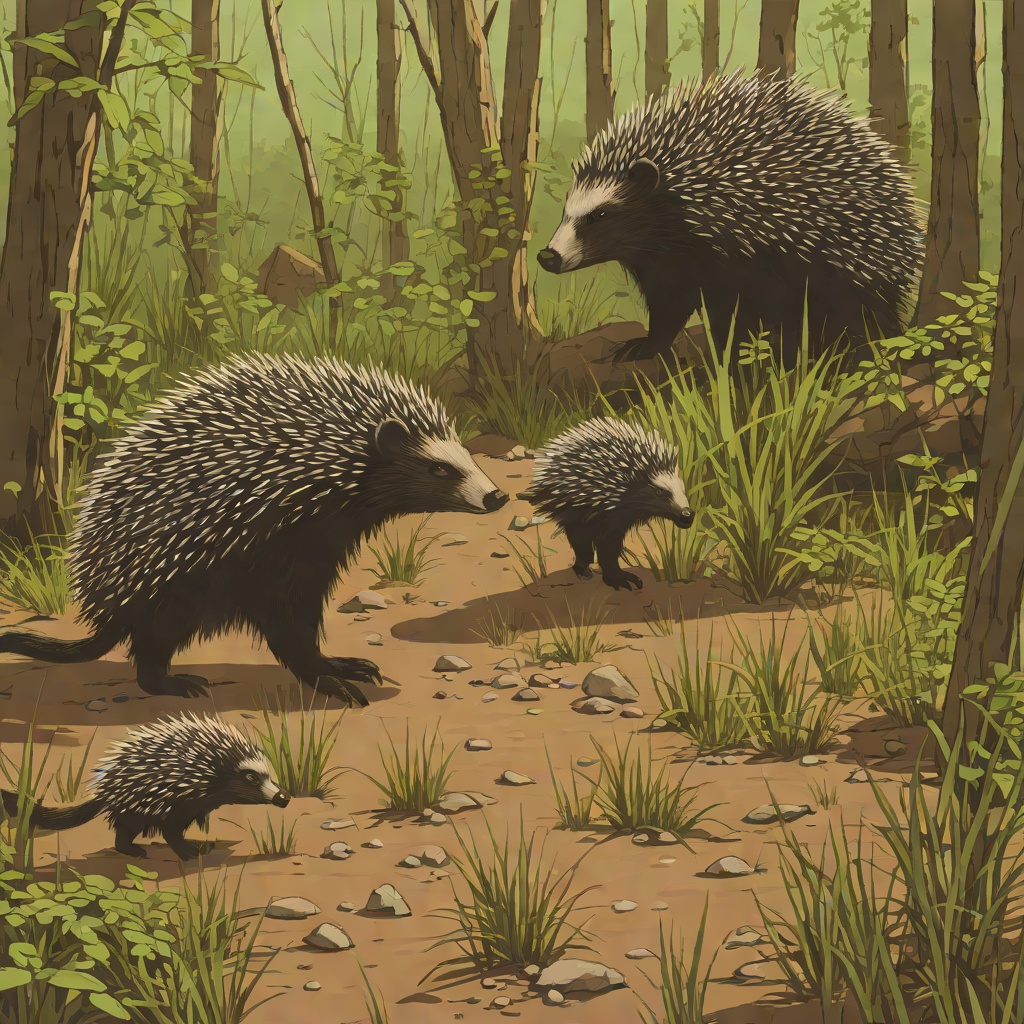
The egg's existence drives Roz to learn the language of the animals, a process that begins with the birds. Because she is camouflaged, Roz can secretly observe their normal behavior up close. She notices chickadees flitting among the same flowers and singing the same song each morning, a lark diving onto the same rock and singing the same song each afternoon, and two magpies singing together each evening across the same meadow. After weeks of robotic study, Roz knows what each bird will sing, when it will sing, and finally why it will sing. She extends this understanding to porcupines, salamanders, and beetles, discovering that all the different animals share a common language, each species speaking it with its own accent. This linguistic breakthrough is directly tied to her need to communicate with and care for Brightbill, and it leads her to ask the animals to teach her their survival techniques, a request that meets with suspicion and hostility from some, like the owl who calls her "contre nature" and the marmot Digdown who cries that the monster is waiting to swallow them. The egg, then, is not just the cause of Roz's motherhood but the reason she reaches out to the animal community at all.
From Egg to Home: The Lodge and Beyond
The egg's legacy extends far beyond its hatching. Roz's need to shelter Brightbill leads her to build a proper home, and with Mr. Beaver's help she constructs a lodge that resembles a beaver hut but is larger, a great dome of wood, mud, and leaves with a single opening for an entrance and a heavy stone for a door. Inside, the lodge is one large round room with a vaulted ceiling tall enough for Roz to stand, a fireplace in the center with a lattice of fine branches above as a vent, long stones lining the walls like benches covered in thick moss cushions, and even a hole for storing food and water for Brightbill. This lodge becomes the model for the many lodges Roz builds across the island during the harsh winter, each one a warm dome where animals laugh, share stories, and cheer for their good friend Roz. The egg, which began as a single fragile object buried in mud, thus becomes the origin of an entire network of shelters that sustain the island's animal community through the cold season.
The Egg's Enduring Significance
The egg's story does not end with Brightbill's hatching; it continues to shape Roz's identity and reputation. Stories spread across the river and the island about how Roz helped Rockmouth, and these are followed by other robot stories: Roz growing gardens in dry, arid places, Roz healing sick animals, Roz creating ropes, wheels, and tools to help her friends. But most of the new stories concern the robot's wildness. Roz notices that the more she acts wild, the more the animals love her, so she barks with the foxes, sings with the birds, hisses with the snakes, gets high with the weasels, sunbathes with the lizards, and jumps with the deer. This wild spring is a very crazy time for the robot, and it all traces back to the egg that made her a mother. The egg is thus the seed of everything Roz becomes: a builder, a healer, a friend, and ultimately a wild creature herself. It is the object that turns a machine into a being with a heart, and its legacy is the entire web of relationships and shelters that define Roz's life on the island.