L'Usine
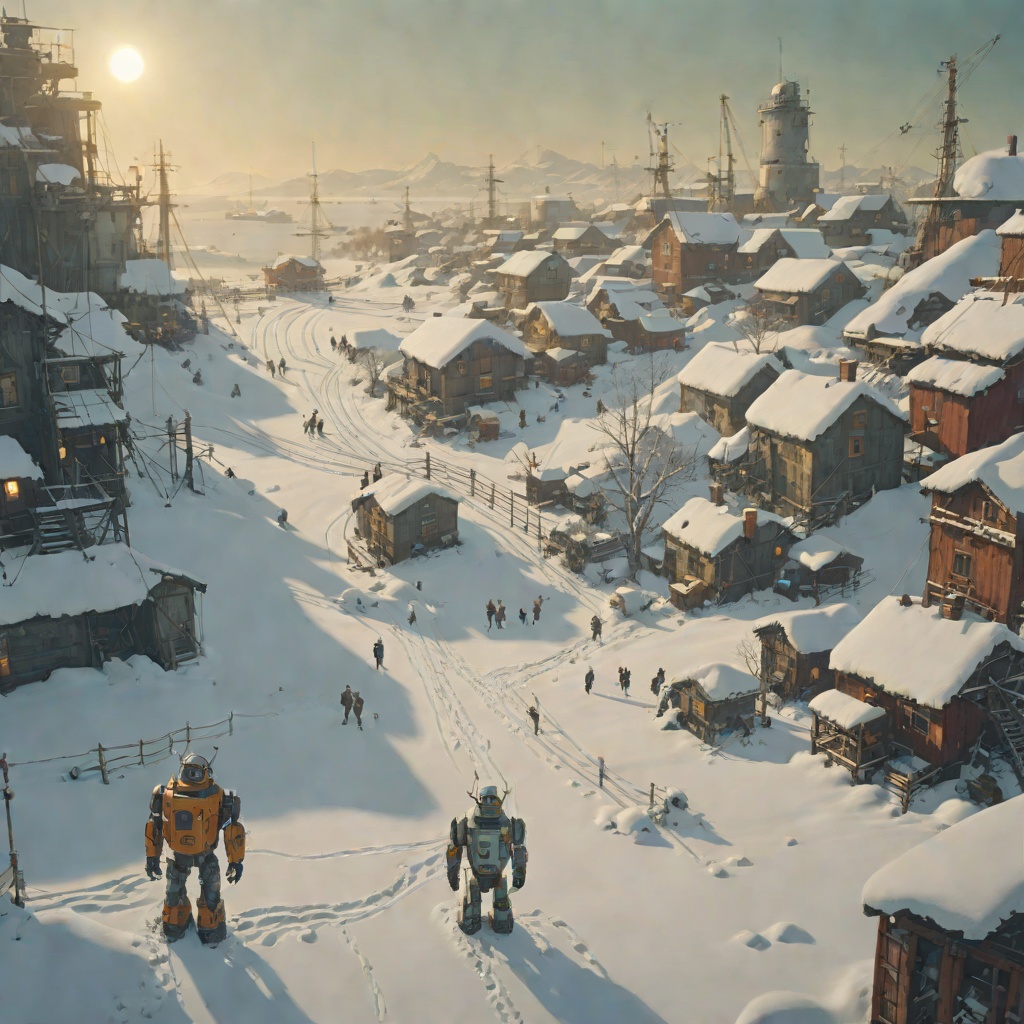
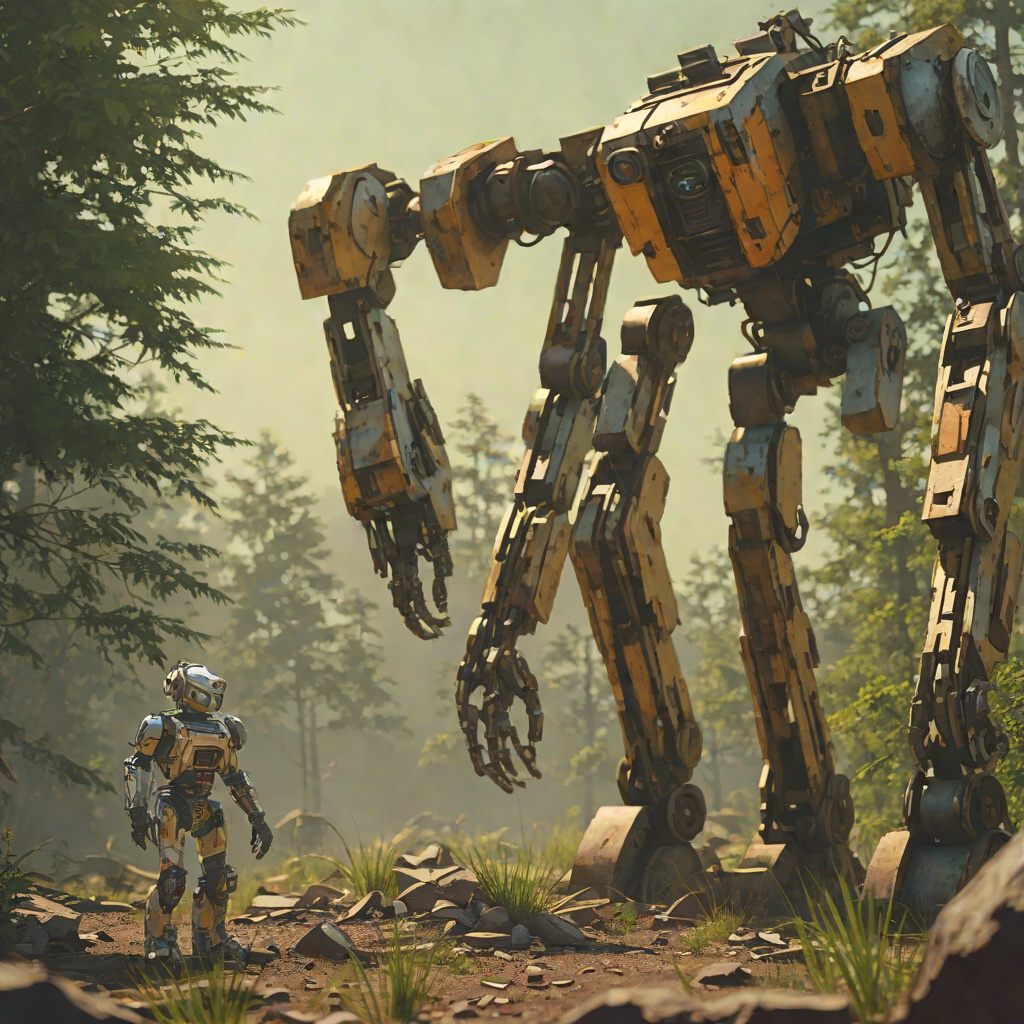
The Wild RobotL'Usine is the distant robot factory where Roz was built, the place that represents her origin and the mechanical world she left behind, and ultimately the destination she must return to for repairs. It is the counterpoint to the wild island she has come to call home, and the site where the truth of her creation is revealed.
The Factory as Origin
L'Usine is first described through the eyes of Brightbill, who sees it during his migration south with the goose flock. Graybeak leads the geese to the outskirts of a city, to a very large building called an usine, where they peer through the roof windows and watch machines manufacturing gleaming heads, torsos, and limbs. The factory was building robots. Brightbill watches as a machine lifts a robot's torso and places two legs beneath it, and they click into place; it puts feet under the legs, arms into the shoulders, and hands into the arms; a head is attached on top and the robot is finished. The robot that emerges looks like Roz, and Brightbill concludes that this is the factory where his mother was built. The factory is thus the site of Roz's mechanical birth, the place where she was assembled from parts rather than born or grown, and it stands in stark contrast to the organic world of the island where she has learned to live.
The Factory as a Place of Ownership
The factory is also the source of the claim of ownership over Roz. When RECO 1 confronts her, it explains that a cargo ship carrying five hundred ROZZUM units was sunk by a hurricane a year earlier. Four hundred and ninety-five units were recovered from the ocean floor, and the RECOs came to the island looking for the last five. RECO 1 identifies Roz as Unit ROZZUM 7134, property of TechLab Industries, and declares that the Makers at the factory will refurbish her and sell her to a work site, where she will live indefinitely. The factory is thus not merely a place of origin but a place of ownership and commodification, where Roz is a piece of property to be reclaimed, repaired, and resold. It is the institution that defines her as a product rather than a being, and it is the reason the RECOs have come to take her away from the life she has built.
The Factory as a Destination and a Choice
After the battle with the RECOs, Roz's body is ruined, and she tells the animals that the only ones who can help her are her Makers at the factory. When a voice cries out that the RECO might be lying and that the monsters cannot be trusted, Roz acknowledges the possibility but insists that it is a chance she must take. She explains that the animals have taught her to be wild, that she wants to be wild again, and that she must try to get the repairs she needs. The factory thus becomes the destination she must return to, not out of obedience to her creators but as a deliberate choice made for her own sake and for the sake of the island. It is the place where she hopes to be restored to the wildness she has learned, and the journey back to it is framed as a necessary risk rather than a surrender.
The Factory and the Wild Island
The factory stands in direct opposition to the island that Roz has made her home. On the island, she has learned the language of the animals, observing birds and other creatures until she understands their common tongue, and she has asked the animals to teach her their survival techniques. She has built lodges with the help of Mr. Beaver and the other animals, creating warm domes of wood, mud, and leaves where creatures can shelter from the winter, and she has spread stories of her wildness by barking with foxes, singing with birds, and sunbathing with lizards. The factory represents the mechanical, the manufactured, and the owned, while the island represents the wild, the learned, and the free. Roz's journey to the factory is thus a journey from the world she has chosen back to the world that made her, and the contrast between the two defines the central tension of her story: whether she is a machine to be owned or a being who has become wild.