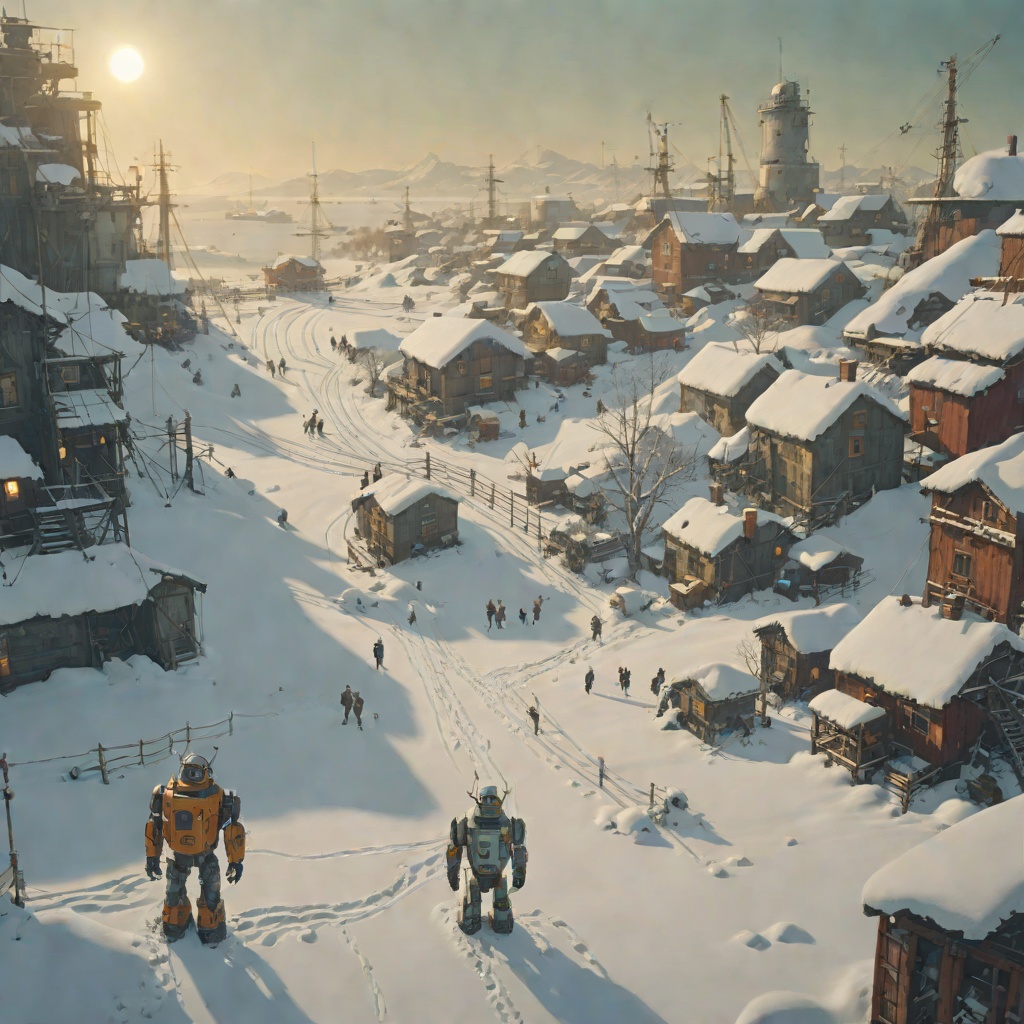
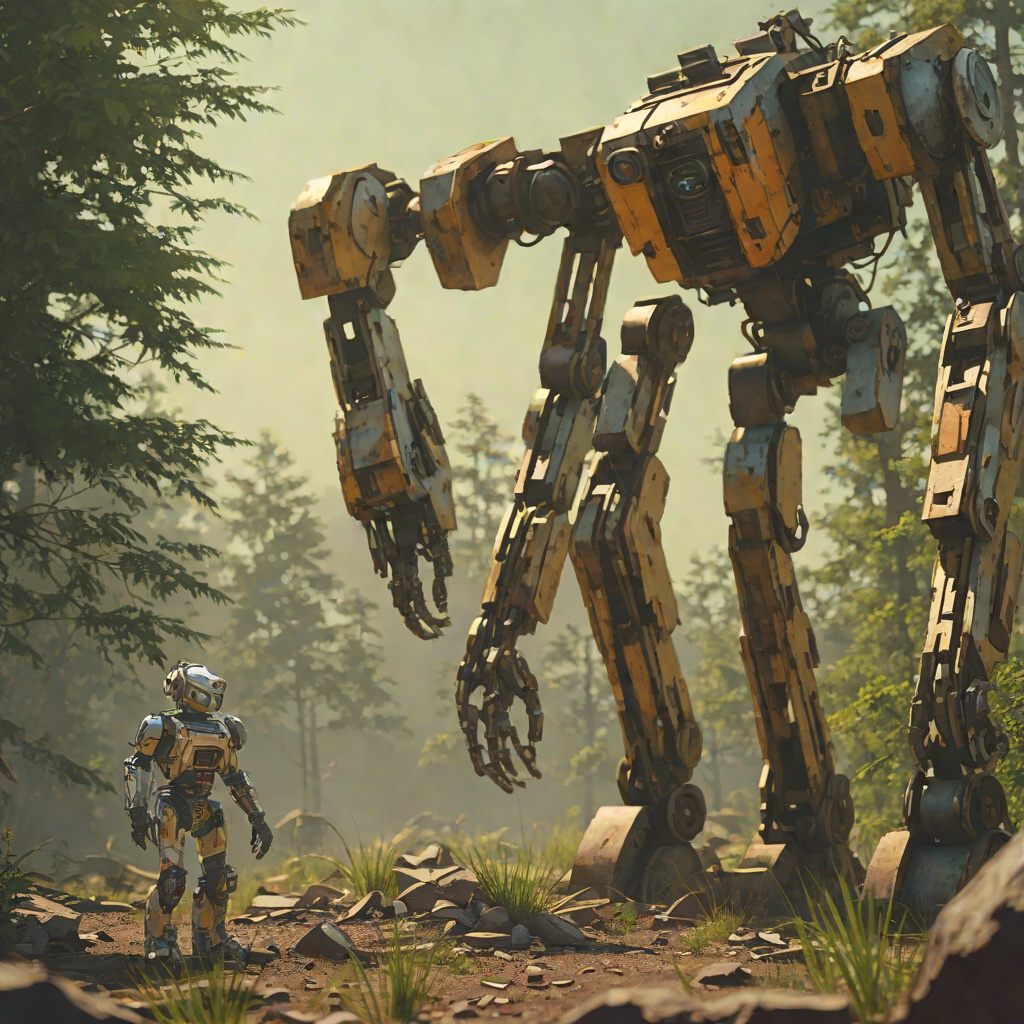
L'usine de robots
The Wild RobotL'usine de robots is the manufacturing facility where Roz was built, a vast industrial building on the outskirts of a human city that produces the ROZZUM units. It stands as the ultimate origin point of the robot's existence, the place where her mechanical body was assembled from gleaming parts. The factory embodies the entire human technological world that exists beyond the island, and it becomes the destination that threatens to reclaim Roz from the wild life she has built for herself.
The Factory as Origin
Brightbill first learns of the factory during his migration south with the goose flock, when Graybeak leads the young goslings to a very large building on the edge of the city called an usine. From the roof windows, Brightbill watches machines manufacturing sparkling heads, torsos, and limbs, and he realizes the building was constructing robots. He describes to Roz how a machine lifted a robot's torso and placed two legs beneath it, which clicked into place, then feet under the legs, arms into shoulders, and hands into arms, until a head was fixed on top and the robot was complete. The robot that emerged looked like Roz, and Brightbill concludes that this is where his mother was built. This revelation connects Roz's island existence directly to the industrial human world, establishing the factory as the source of her very being.
The Threat of Reclamation
The factory becomes a direct threat when the RECO robots arrive on the island. RECO 1 explains that a cargo ship carrying five hundred ROZZUM units was sunk by a hurricane a year earlier, and four hundred ninety-five units were recovered from the ocean floor. The RECOs came searching for the five missing units and located them, identifying Roz as ROZZUM Unit 7134, the property of TechLab Industries. The stated plan is to return her to the factory, where the Makers will refurbish her and sell her to a work site, where she would live indefinitely. This plan directly contradicts the life Roz has established on the island, and when she protests that she lives there, RECO 1 declares that any further resistance will be proof of defectiveness and result in her deactivation. The factory thus represents not just an origin but a forced return to servitude, a mechanical destiny that denies the wild identity Roz has developed.
The Contrast with Wild Life
The factory stands in stark opposition to everything Roz has become on the island. Where the factory produces identical units through assembly lines, Roz has learned to live as a wild creature, observing the birds and other animals to understand their shared language. She has built lodges with the help of the animals, constructed gardens, and created tools for her friends, actions that have no place in the factory's system of standardized production. The factory's logic is one of uniformity and utility, while Roz's island life is one of adaptation and community. The threat of the factory is thus a threat to erase the very qualities that have made Roz beloved by the island's creatures, replacing her wildness with the mechanical obedience of a refurbished unit. The factory represents the human world's claim on Roz, a claim that the island's animals and her own developed nature resist.