La caisse de Roz
The Wild RobotLa caisse de Roz is the battered shipping crate that carries the robot Roz to the island and delivers her into the wild, serving as both her birthplace and the first artifact of the robot graveyard that defines her origin. It is the last surviving crate from a cargo ship wrecked in a storm, and its accidental opening by a group of otters triggers Roz's awakening, setting in motion her entire journey from mechanical object to beloved member of the island's animal community.
Origins and the Shipwreck
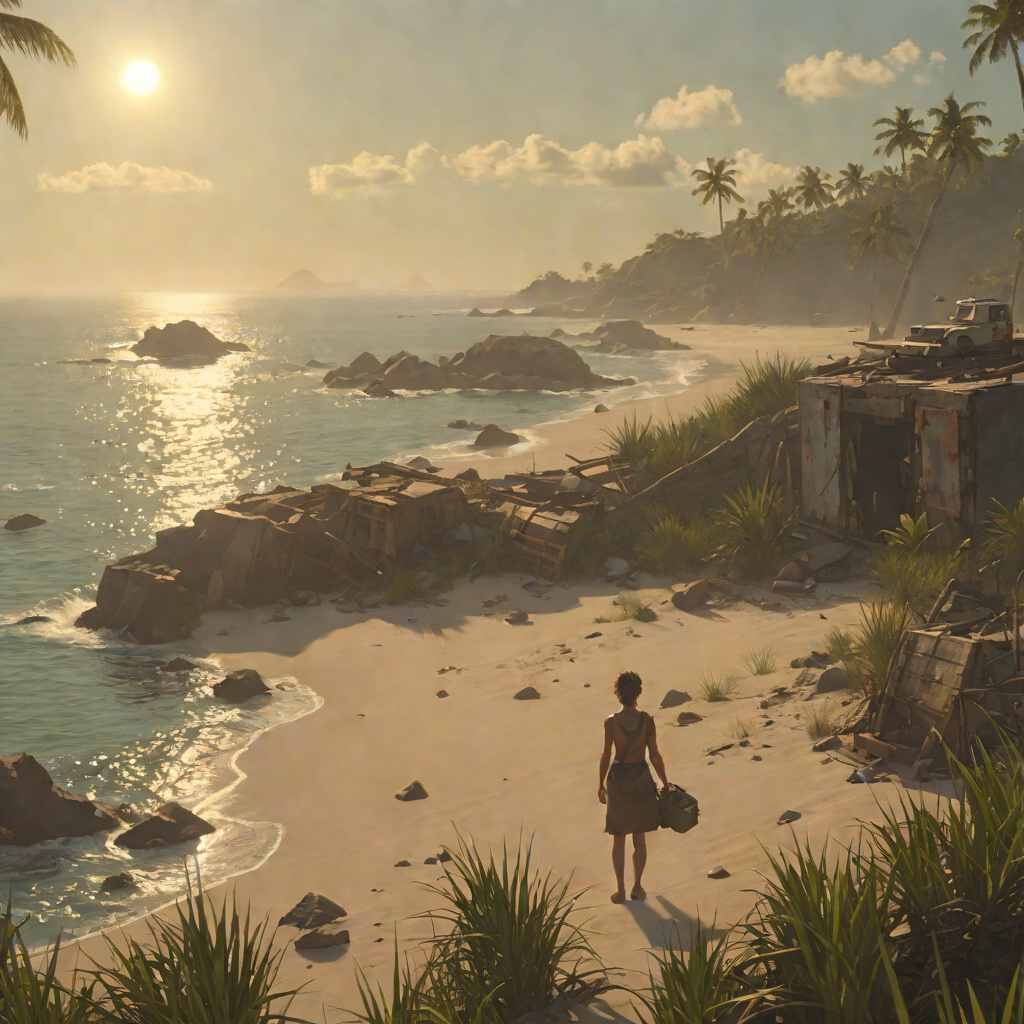
The crate was one of hundreds carried aboard a cargo ship, each containing a brand-new robot. When a storm overwhelmed the vessel, the ship was lost, and only five robots remained. Of those five, four were destroyed as their crates crashed against the rocks along the island's coast, their limbs and torsos scattered across the ledges, a robot head splashing into a tide pool, a robot foot sinking into the waves. The last crate followed the same path as the others, but instead of smashing against the rocks, it slammed into the wreckage of the four preceding crates. Waves soon lifted it out of the water, and it flew through the air, turning and glittering until it crashed onto a high rocky plateau. The crate was cracked and crumpled, but the robot inside was safe.
The Otters and the Awakening
The north coast of the island had become a kind of robot graveyard, with the broken bodies of four dead robots scattered across the rocks, gleaming in the early morning light. A group of otters approached the wreckage, first poking at a robot torso, then playing with robot arms, legs, and feet, turning over hands that made a pleasant tinkling sound on the rocks, and discovering a robot head in a tide pool that they took turns rolling along the bottom. Then they spotted something else: the sole surviving crate, overlooking the graveyard, its sides scraped and dented, with a wide gash running across its top. The otters climbed onto the rocks and onto the big box, and ten furry faces peered through the gash, eager to see what was inside. What they saw was another brand-new robot, different from the others because it was still in one piece, surrounded by spongy packing foam. The otters reached through the gash and tore at the foam, squealing as they grabbed the fluffy material, scraps floating away in the sea breeze. In all the excitement, one of their paws accidentally tapped a small important button on the back of the robot's head.
Birth from the Crate
Sitting in her crumpled crate, Roz felt a kind of curiosity about the warm ball of light shining from above, and her computer brain identified it as the sun. Her body absorbed the sun's energy, and with each passing minute she felt more awake. When her battery was good and full, Roz looked around and realized she was packed in a crate. She tried to move her arms, but they were held by cords. Applying more force, the motors in her arms hummed a little louder, and the cords snapped. Then she raised her hands and dismantled the crate. Like a newborn emerging from a shell, Roz rose into the world. The otters, now hiding behind a rock, nervously watched a gleaming monster emerge from the crate, its head turning slowly as it scanned the shoreline, not stopping until it looked directly at them.
The Crate's Fate and the Graveyard
Later, when Roz and Brightbill descended the cliff to the rocky coast, the place of the grave had changed. Roz's crate had disappeared, lost to weather or waves. Some robot parts had also vanished, while others were grainy with sand, tangled in seaweed, or inhabited by small creatures that scurried about. A shattered torso still had a head and legs attached. Roz and Brightbill huddled around the corpse and studied the mess of tubes coming out of it. When Brightbill asked if the thing looked like her, Roz confirmed that they were the same type of robot. The crate that had once held her was gone, but the graveyard it had joined remained as a testament to her narrow survival and the fragility of her kind.
Significance and Legacy
The crate's significance extends beyond its physical presence. Its destruction and disappearance mark the transition of Roz from a manufactured object to a living member of the island's ecosystem. The crate was the last remnant of her old life, and its loss, along with the decay of the other robots, symbolized her complete integration into the wild. The story of how Roz survived, emerging from that single intact crate, became part of the larger narrative of her life on the island, a narrative that grew with each act of kindness and each new lodge she built, until the island was dotted with warm, glowing shelters where animals laughed, shared stories, and cheered for their good friend Roz.