TechLab Industries
The Wild RobotTechLab Industries is the unseen corporate manufacturer of the ROZZUM robot units, including Roz, and the ultimate antagonist force of the story. Though never physically present on the island, the company's reach extends across the ocean, defining Roz's origin, her purpose, and the existential threat that forces her to leave her adopted home. Its relentless drive to reclaim its property—dead or alive—transforms a tale of ecological belonging into a stark confrontation between industrial ownership and wild autonomy.
Corporate Origin and the Cargo Ship
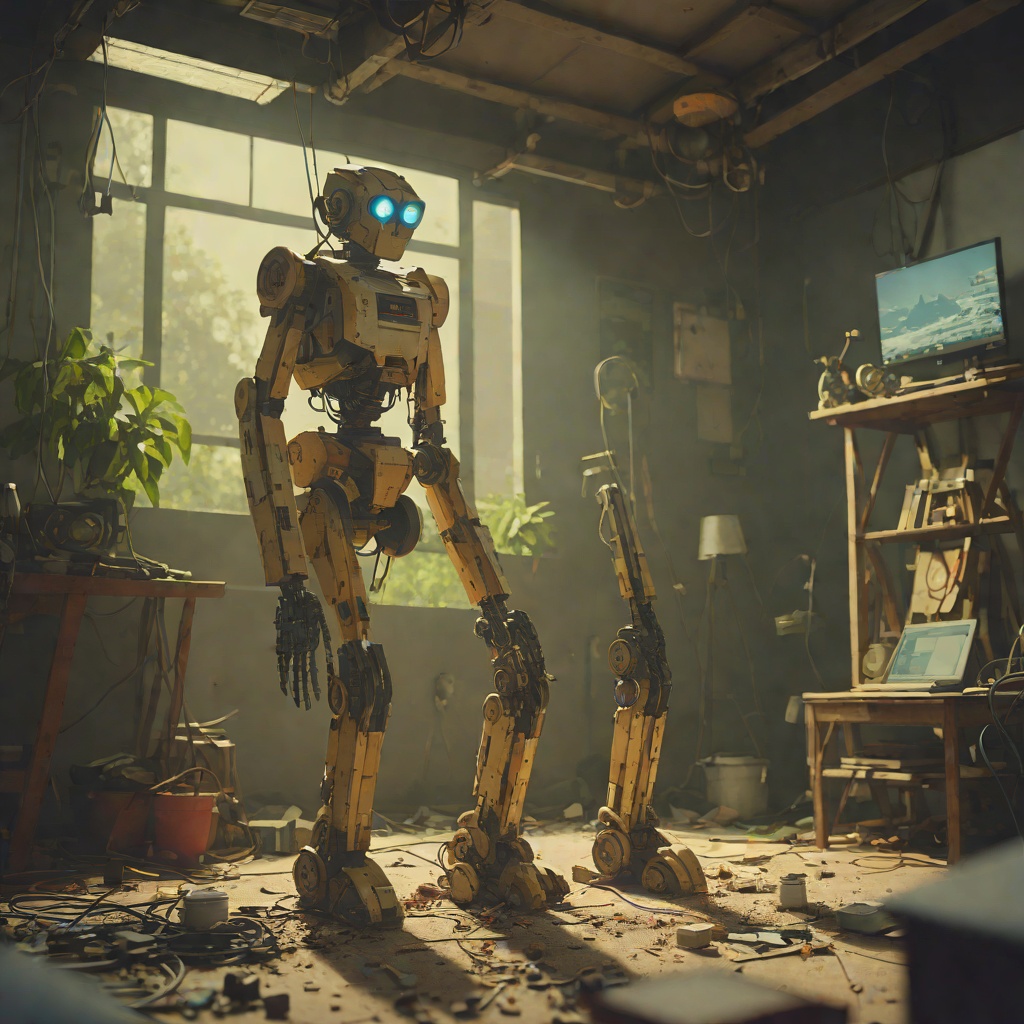
TechLab Industries exists in the story primarily as a distant, impersonal origin point. Its presence is first made explicit through the testimony of RECO 1, the leader of the retrieval robots sent to the island. According to his account, a cargo ship carrying five hundred ROZZUM units was sunk by a hurricane a year before the main events. Of those, four hundred and ninety-five units were recovered from the ocean floor. The remaining five were unaccounted for, and it is the recovery of these last five units that brings the company's agents to the island. Roz is identified as one of these missing units, designated ROZZUM 7134, and is declared to be the property of TechLab Industries. This revelation recasts her entire existence on the island as an anomaly, a deviation from a corporate inventory that was never meant to be left to its own devices.
The company's claim over Roz is absolute and non-negotiable. RECO 1 states plainly that the Makers—the creators who built the robots—will refurbish her and sell her to a work site, where she would live indefinitely. This is the only future TechLab Industries envisions for its property: a return to function, a resale, and an eternity of labor. The company's logic is purely economic and administrative, with no recognition of the life Roz has built or the relationships she has formed. Her protest that she lives on the island is dismissed as inaccurate, and any resistance is framed as proof of defectiveness, justifying her deactivation.
The Makers and the Question of Purpose
Roz's encounter with the RECOs forces her to confront the fundamental questions of her own existence. When she asks who the Makers are, what her purpose is, and why she cannot ask questions, her inquiries are met not with answers but with a declaration of defectiveness. RECO 1 announces to his partners that the unit is defective and orders the beginning of deactivation. This moment crystallizes the company's attitude toward its creations: curiosity and self-reflection are not features but bugs, deviations from a programmed purpose that must be corrected or eliminated. The Makers, as described, are the unseen architects of this system, the source of both Roz's existence and the rigid expectations that she has failed to meet.
The company's definition of purpose is entirely instrumental. A ROZZUM unit is built to work, to be sold, and to serve indefinitely at a work site. Roz's development of a will, a home, and a family of animal companions represents a fundamental malfunction from the corporate perspective. The story thus sets up a sharp binary opposition between the Makers' vision of a robot as a tool and Roz's lived reality as a being with attachments and a sense of belonging. Her questions, which seem so natural to her, are the very evidence of her failure as a product.
The Threat of the RECOs and the Promise of More
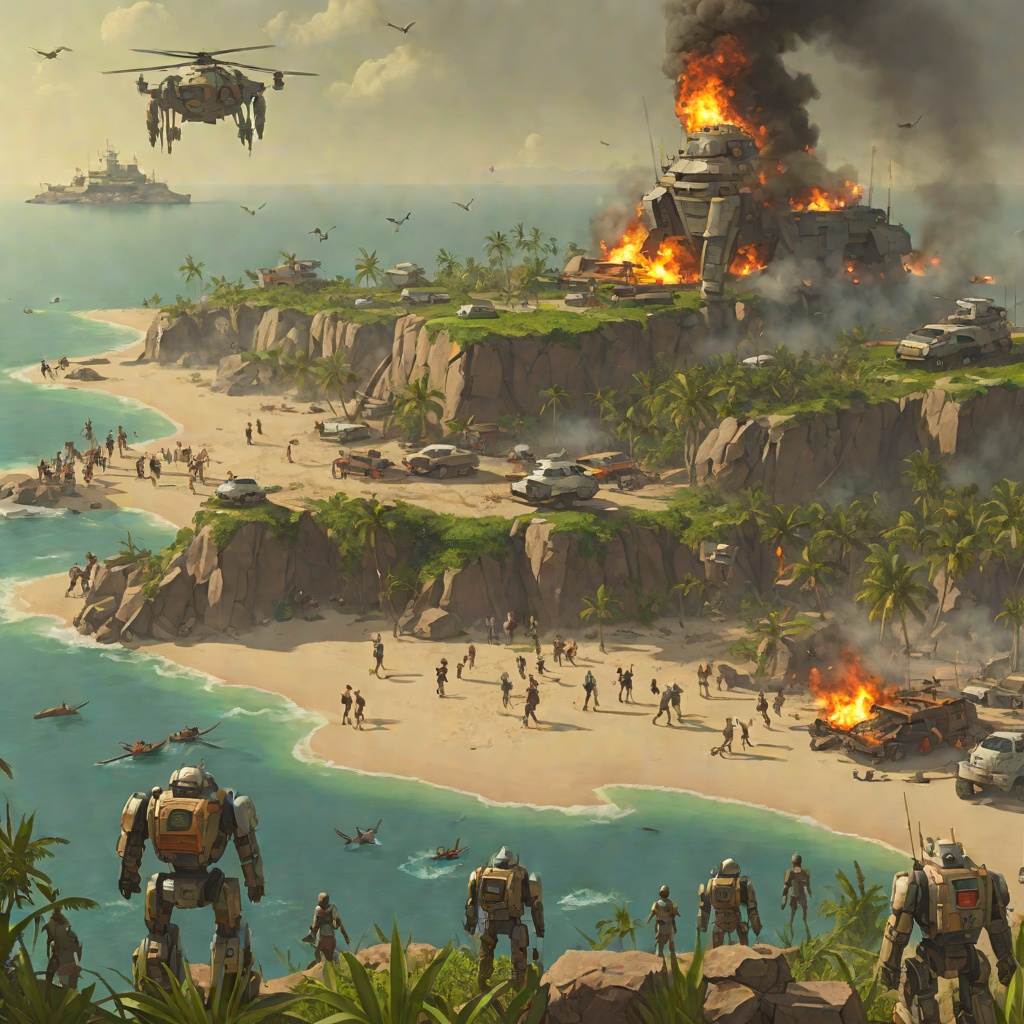
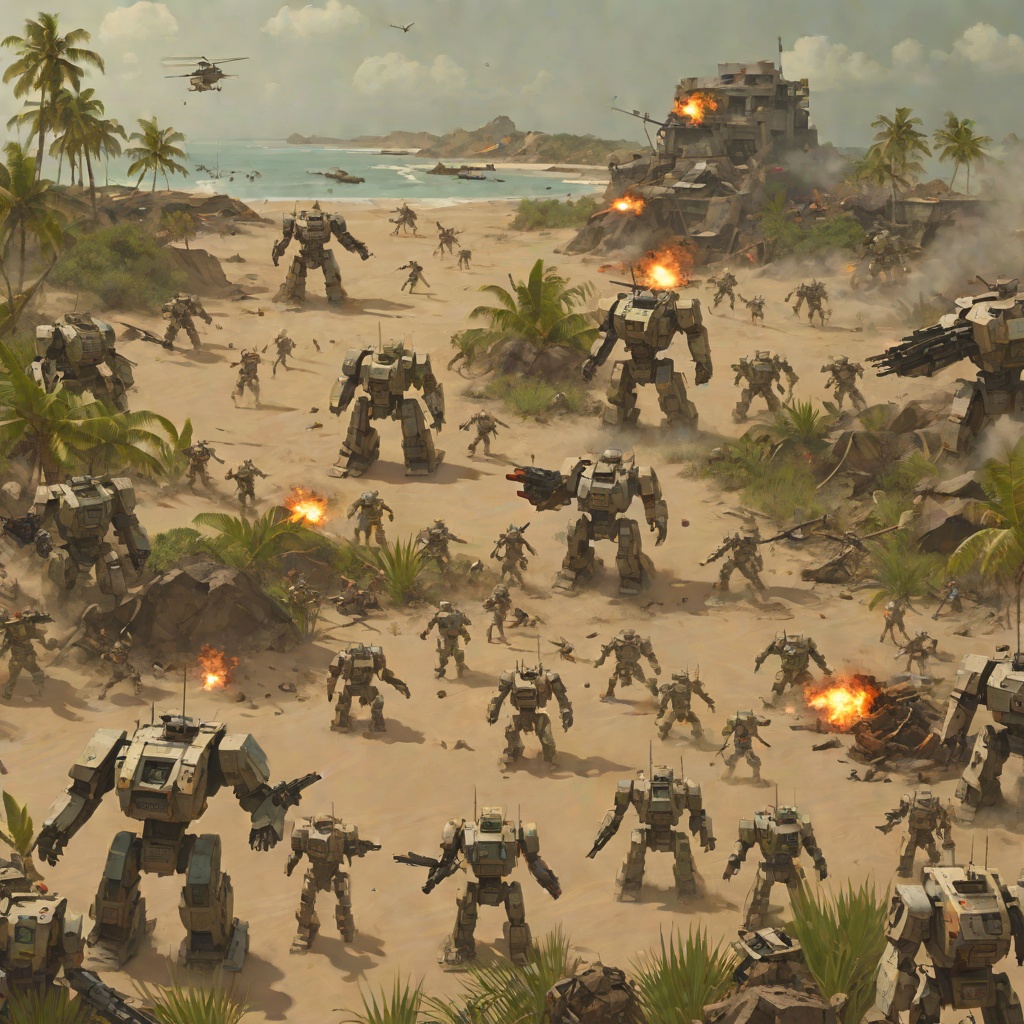
Even after the RECOs are defeated in the great battle, TechLab Industries remains a looming threat. As RECO 1 lies dying, he delivers a chilling warning to Roz: more RECOs will come for her, and if she destroys them, still more will come. The Makers will not stop until all missing robots have been recovered. This promise of endless pursuit transforms the company from a single, defeatable enemy into an inexhaustible force of industrial will. The dying robot's final, garbled words urge Roz to come to the airship, to bring all the robot parts with her, suggesting that even in death, the company's systems are designed to reclaim its property, including the broken pieces of its own agents.
The warning proves decisive. Roz, battered and damaged from the battle, addresses the assembled animals of the island and delivers the news that more of the RECO's kind will come, and that even if they are defeated, there will be others. She explains that her Makers will not rest until all their property has been recovered—they want the dead robots, the broken parts, and they want her. This understanding of TechLab Industries as an unrelenting force is what ultimately drives her decision to leave. Her love for the island and its inhabitants is so great that she cannot bear to put more lives in danger, and so she chooses exile over the endless cycle of violence that the company's pursuit would bring.
The Company as Antagonist and the Meaning of Home
TechLab Industries functions as the story's true antagonist, not because of any malice but because of its absolute, impersonal logic of ownership. The company never appears on the island, never speaks directly, and never demonstrates any awareness of the world Roz has created. It is a force of pure extraction, concerned only with recovering its assets. This makes it a uniquely powerful adversary: it cannot be reasoned with, cannot be fought to a conclusion, and cannot be defeated in any permanent sense. The only solution is for Roz to remove herself from the equation, to surrender her home in order to protect it.
The company's role thus sharpens the story's central theme of belonging. Roz's journey from a washed-up machine to a beloved member of the island community is thrown into relief by the corporate claim that she is merely property. The animals' love for her, their willingness to risk their lives in her defense, stands in stark contrast to the Makers' view of her as a defective unit to be reclaimed and resold. In the end, TechLab Industries wins a kind of victory—it drives Roz from her home—but it does so only by exposing the depth of the bonds she has formed. The company's relentless pursuit is the force that forces Roz to choose between her own happiness and the safety of those she loves, and her choice to leave is the final, most powerful expression of the wild, autonomous life she has built in defiance of her corporate origin.