“The world is a beautiful place. Don’t forget that.”
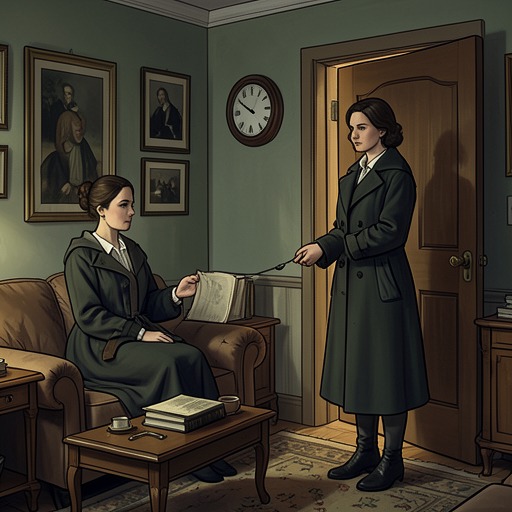
The Woman in the Window“The world is a beautiful place. Don’t forget that.” Jane Russell’s insistence gives the sunset beyond Anna Fox’s window more than visual appeal: it makes noticing beauty an active choice. Anna answers not with an argument but by raising her phone and taking a picture, while Jane’s approving “Attagirl” completes the exchange.
The Expression in Context
The statement follows a small disagreement about what counts as nature. Jane Russell turns toward the window and points west, where dusk glows behind the buildings and a bird circles nearby. Anna Fox allows that the scene is technically nature, though only partly; Jane’s reply broadens the frame, treating the visible world as beautiful despite its urban setting. Her level voice and steady gaze give the words the force of a serious reminder rather than a casual compliment.
The wording joins an assertion to an instruction. “The world is a beautiful place” names a value, while “Don’t forget that” makes remembering it a responsibility. Jane Russell adds, “And don’t miss it,” shifting the emphasis from belief to attention: beauty may be present, but it can still go unnoticed.
Anna’s Response and the Scene’s Meaning
Anna Fox takes her phone from her pocket, aims it at the glass, and snaps a photograph. The gesture makes the advice concrete: she does not merely agree with Jane Russell but acts on the invitation to notice and preserve the scene. Jane’s approving “Attagirl” recognizes that response and gives the exchange a moment of shared warmth.
The expression therefore works as more than a general optimism about the world. In this scene, its meaning rests on particular acts of looking: Jane Russell points out the sunset and circling bird; Anna Fox frames the view through the window and photographs it. The urban buildings do not cancel the beauty Jane sees, and the glass that separates Anna from the outdoors becomes the surface through which she attends to it.