Confinement and isolation
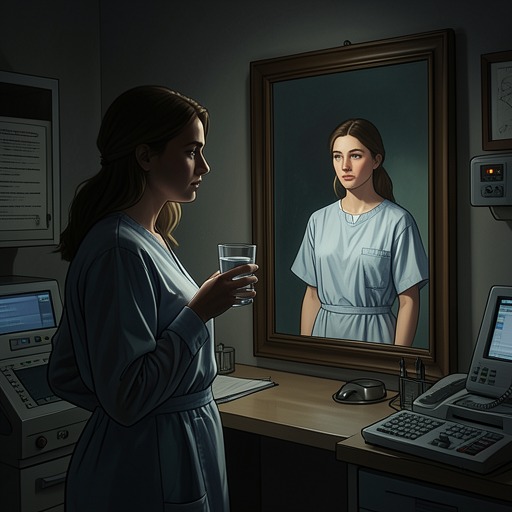
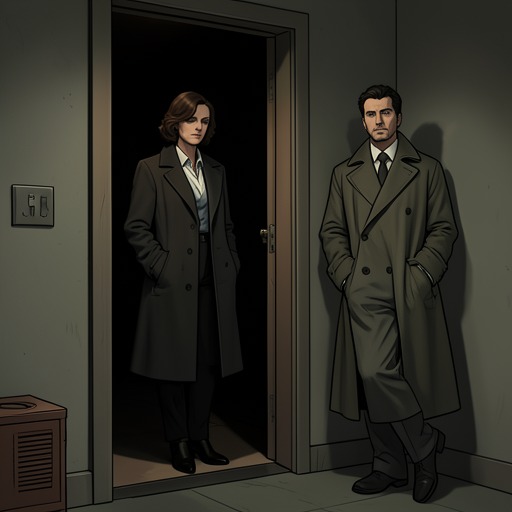
The Woman in the WindowConfinement and isolation shape Anna Fox’s experience of home as both shelter and barrier. For nearly ten months, she sees the city from nowhere but her house; when she rides through its streets with Detective Little, familiar urban life feels unfamiliar. The contrast makes her confinement more than a matter of staying indoors: it has altered her connection to the world beyond the windows, while the home itself increasingly fails to feel safe.
Duration and estrangement
The length of Anna’s housebound period gives her return to the city its force. She registers streets and buildings as though they belonged to an unfamiliar place, and the movement of traffic and pedestrians becomes a concentrated encounter with a world from which she has been absent. The scene does not present the outside as simply open or welcoming. Its unfamiliarity shows how isolation has reshaped her sense of ordinary surroundings.
The house as refuge and trap
Anna’s account of being locked in and locked out brings the concept’s central contradiction into focus: she is confined within her home, yet also cut off from the life outside it. She describes closed doors and windows alongside her retreat from daylight, and notes that a woman has been stabbed across the park without anyone knowing that Anna witnessed it. Her isolation therefore has a social as well as a physical dimension: she has knowledge of an event but feels unable to act as a credible participant in the world beyond her house.
Anna also understands herself through the judgments she believes others would make. She names herself as a shut-in and contrasts that status with the roles of hero or sleuth. Her separation from her family and her impaired standing with neighbors, police, her doctor, and her physical therapist deepen the sense that confinement has narrowed not only where she can go but how she can be seen by others.
When the refuge becomes unsafe
The home cannot remain a dependable sanctuary. After an earlier attempt to act has left Anna in a hospital bed, she concludes that she needs to know what is happening and is no longer sure that her house is safe. The shift unsettles the apparent division between a dangerous outside and a protected interior: the place that has kept her apart from the city is now itself a source of fear.
Movement across the threshold
Anna’s later movement toward the door marks a change in her relation to confinement. She takes medication, retrieves her umbrella, opens the door, and concentrates on breathing as she stands in the hall. The action does not erase the limits imposed by fear, but it makes the threshold a site of effort rather than an absolute boundary. Across these moments, isolation is shown as both a condition that restricts Anna’s contact with others and a fragile arrangement she begins to challenge.