Broadway
The Wreck of the Titan, or FutilityBroadway, the great commercial artery of New York City, serves as the setting for the climactic reunion and misunderstanding that conclude the novella. It is here that John Rowland, the disgraced former naval officer turned sailor, returns from his ordeal on the iceberg with the rescued child Myra, only to be seized by a policeman and dragged through the streets like a criminal. The avenue, with its bustling crowds, department stores, and law enforcement, embodies the modern urban civilization that stands in stark contrast to the raw, elemental world of the sea and ice from which Rowland has just emerged. This contrast is central to the novella's critique of a society that misjudges heroism and rewards conformity over truth.
The Return to the City
After the wreck of the Titan and his rescue by the bark Peerless, Rowland, now penniless and with his left arm amputated, makes his way to New York City. He arrives at a North River dock with Myra on his shoulder, having secured the address of Mrs. Selfridge, the only woman saved from the ship, from the steamship company's passenger list. He then takes a car up Broadway, alighting abreast of a large department store. This moment marks his re-entry into the civilized world, a world that will prove as hostile to him as the frozen wasteland he has just escaped. The city, with its noise and life, is a stark contrast to the silent, desolate iceberg where he fought for survival.
The Department Store and the Purchase of Finery
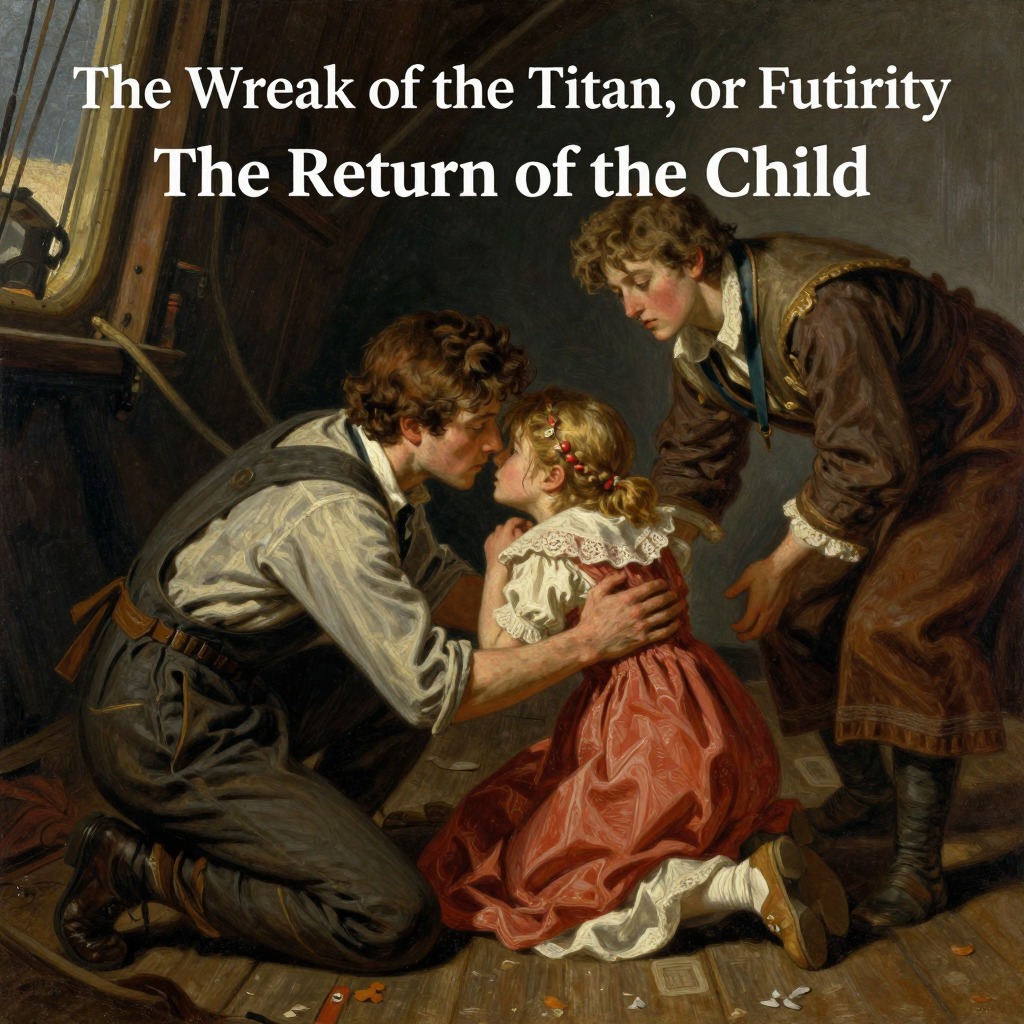
Rowland's first act on Broadway is to enter a department store to buy new clothes for Myra, who has been shipwrecked and is still wearing the makeshift garments sewn by the crew of the Peerless. He tells the young woman in the children's department, "This child has been shipwrecked. I have sixteen dollars and a half to spend on it. Give it a bath, dress its hair, and use up the money on a dress, shoes, and stockings, underclothing, and a hat." The clerk, moved by sympathy, kisses the little girl but protests that not much can be done with such a sum. An hour later, Rowland emerges with Myra "bravely dressed in her new finery," while he himself remains in his ragged clothes. This act of selfless expenditure, using his last money to clothe the child, highlights his devotion and the depth of his care, even as it sets the stage for the misunderstanding that follows.
The Arrest on Broadway
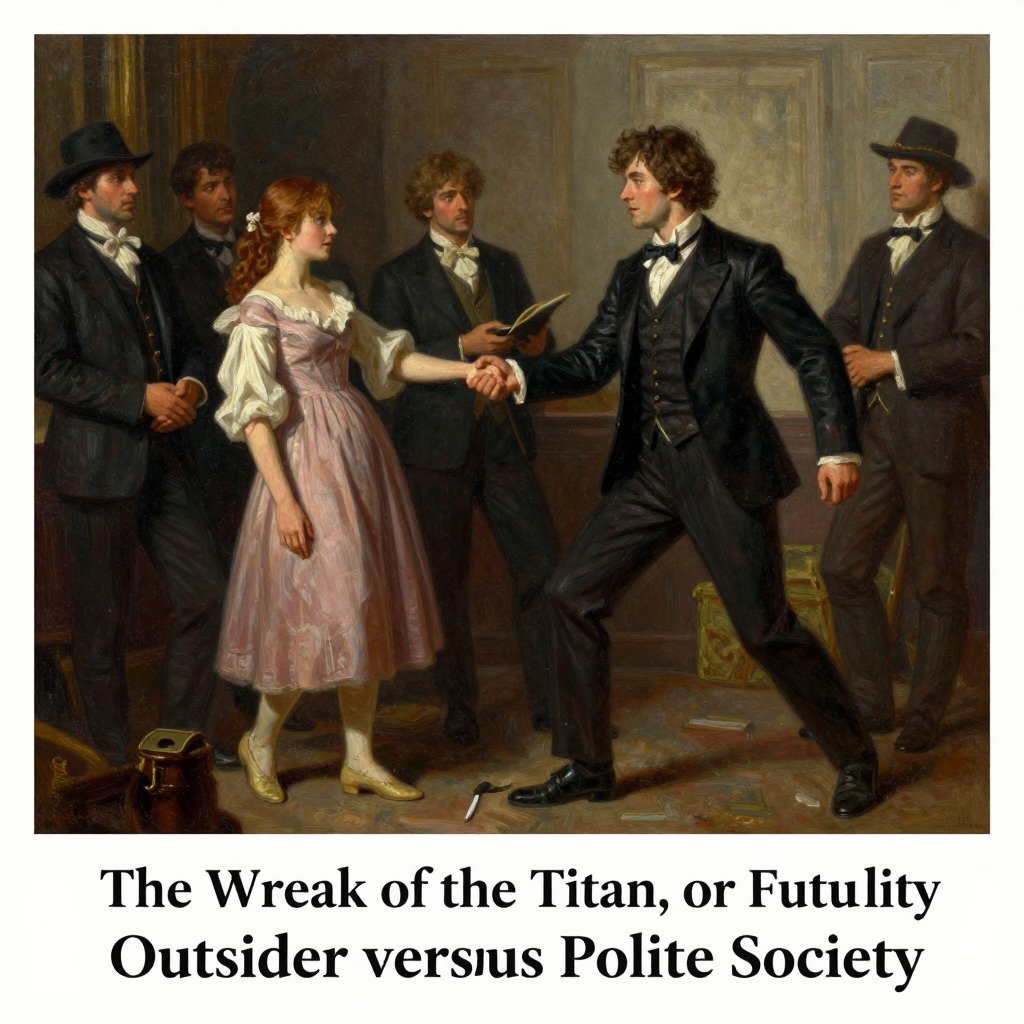
As Rowland and Myra leave the store, a policeman, struck by the incongruous juxtaposition of "rags and ribbons," stops him and demands, "Whose kid ye got?" When Rowland answers haughtily that he believes the child is the daughter of Mrs. Colonel Selfridge, the officer is unconvinced and arrests him for stealing the child. At that moment, a party of people emerges from the store, including a young woman in black who utters a piercing shriek and springs toward them, crying "Myra! Give me my baby --- give her to me." She snatches the child from Rowland's shoulder, and an indignant old gentleman, her father, flourishes his cane over Rowland's head and orders the officer to take him to the station-house. The crowd applauds as the man who had fought and conquered a hungry polar bear is dragged through the streets "like a sick animal by a New York policeman." The narrator's bitter comment, "For such is the stultifying effect of a civilized environment," underscores the irony of a society that punishes the very heroism it should celebrate.
The Trial and Its Aftermath
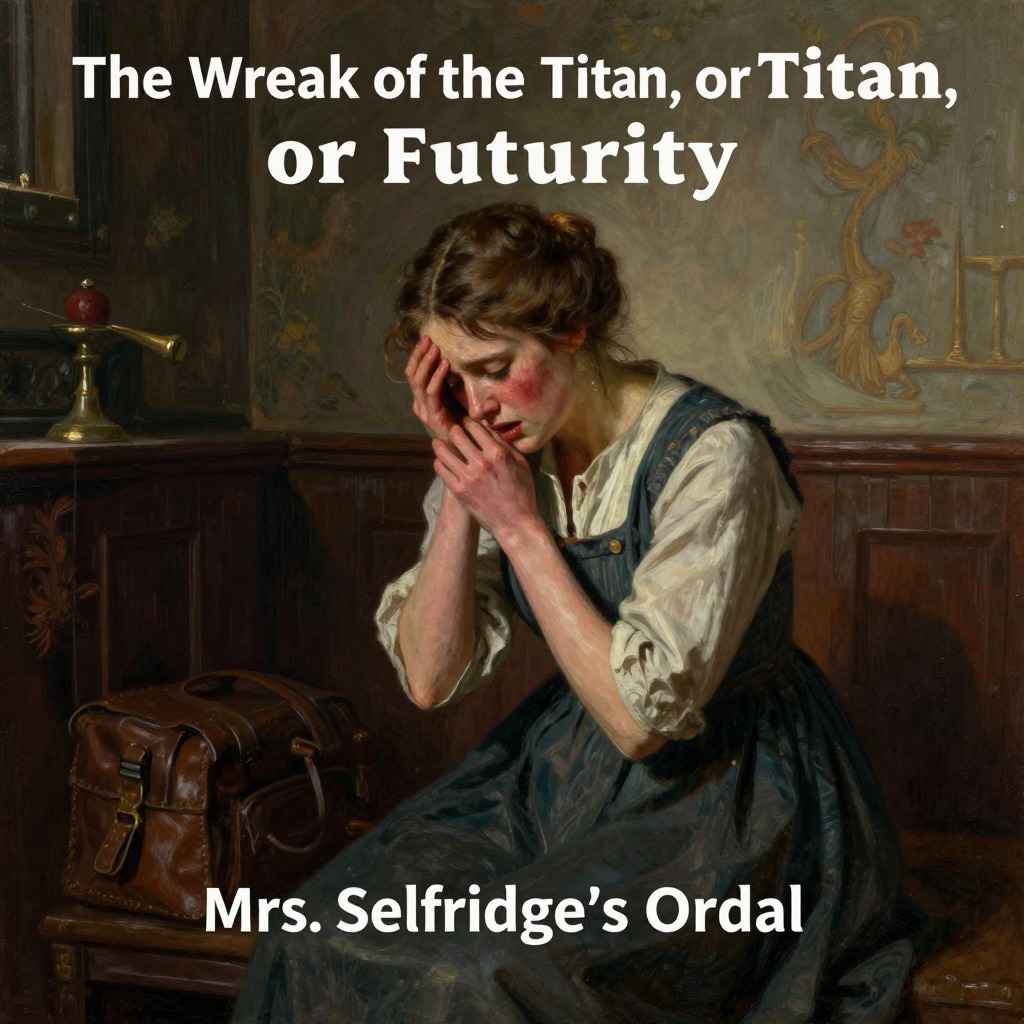
The next morning, Rowland appears in a police court, ragged, disfigured by his clubbing, and disheveled from a night in a cell. The magistrate, initially stern, hears the testimony of Mrs. Selfridge, who, in her grief and anger, accuses Rowland of attempting to murder her child on the ship and of mutilating her with a sharp instrument. She also claims he taught the child to swear, and that Myra screamed uncontrollably when told the story of Elisha and the bears. However, a reporter shows the magistrate a morning paper with the story of Rowland's heroism, and the magistrate, realizing the truth, discharges him with the words, "This man has merely saved your child's life. If you will read of his defending it from a polar bear when you go home, I doubt that you will tell it any more bear stories." Mrs. Selfridge leaves with a mystified and aggrieved expression, while Myra shouts profanely for Rowland, who escapes into the crowd, refusing to talk to the reporters.
The City as a Place of Transformation
After his discharge, Rowland disappears into the city, and the narrative follows his gradual rehabilitation. He begins as a one-armed dock lounger, fishing with an old hook and string, trading his catch for meals, and sleeping under the docks. Over time, he saves enough to buy a second-hand suit and a barber's services, then finds work as a tally clerk, and eventually secures a position addressing envelopes for a mailing firm. His fine penmanship earns him steady work, and he passes a Civil Service examination, leading to a lucrative government position. As he seats himself at his desk, he remarks, "Now John Rowland, your future is your own. You have merely suffered in the past from a mistaken estimate of the importance of women and whisky." This transformation, from a ragged survivor to a respectable government employee, is a testament to his resilience and the opportunities the city offers, even as it highlights the fickleness of a society that had earlier condemned him.
The Final Reunion
Despite his success, Rowland's past catches up with him. Six months into his new position, he receives a letter from Mrs. Selfridge, who writes, "Do not think me indifferent or ungrateful. I have watched from a distance while you made your wonderful fight for your old standards. You have won, and I am glad and I congratulate you. But Myra will not let me rest. She asks for you continually and cries at times. I can bear it no longer. Will you not come and see Myra?" The novella ends with the simple, poignant line, "And the man went to see --- Myra." This final scene, set against the backdrop of the city, brings the narrative full circle, as Rowland, who had been rejected by the city and its justice system, is finally acknowledged and welcomed back into the lives of those he saved. Broadway, the stage of his humiliation, becomes the prelude to his redemption.