
The Strange Survival of Ordinary Complicity
The Zone of InterestThis thread follows ordinary people’s participation in a criminal state and the difficulty of distinguishing limited dissent from meaningful resistance.
increasing Bearing strength in each event
 decreasing
Bearing strength in each eventdecreasingA Highly Educated Nation

A Highly Educated Nation
A question without an answer
Thomsen asks how a country of poets and dreamers and a highly educated public could consent to such disgrace. The question is directed at a society, not just a handful of leaders.
Education does not ensure judgment
The novel refuses to equate culture with moral resistance. A cultivated society can still yield to hatred, bureaucracy, and the wish to belong.
Going Along While Dragging Feet

Going Along While Dragging Feet
A compromised form of dissent
Thomsen describes himself and Konrad Peters as people who went along while trying to delay and obstruct. Their opposition is real but limited by their continued participation.
The label does not settle guilt
Calling oneself an obstructive follower cannot undo the benefits or harms attached to one’s position. The phrase exposes a broad moral middle ground without turning it into innocence.
Knowledge Without Rescue
Knowledge Without Rescue
The crimes are widely visible
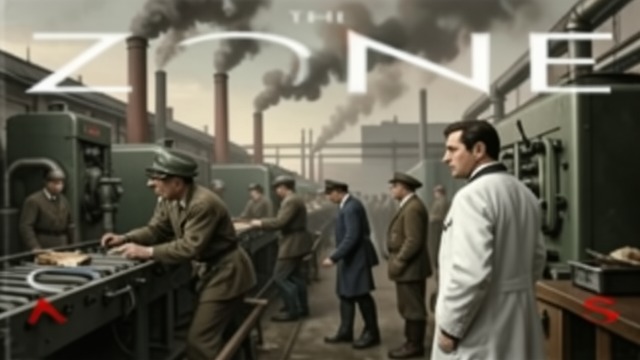
Thomsen doubts that the world can be unaware of the camp’s scale. The smells, transports, factories, and smoke make the destruction difficult to hide from those nearby.
Awareness is not action
Knowing that violence occurs does not automatically produce resistance. The novel distinguishes bearing witness from stopping the machinery that creates the evidence.
Small Acts of Obstruction
Small Acts of Obstruction
Resistance enters daily work
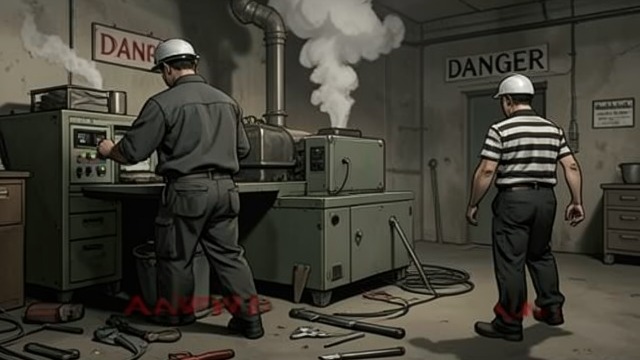
Thomsen helps British prisoners sabotage machinery and sometimes interferes with camp routines. These acts delay production and create danger for himself and others.
The acts remain morally limited
His resistance does not undo his role in the camp or the suffering of workers. The novel gives the actions weight without presenting them as a complete answer to complicity.
The Claim of Ignorance

The Claim of Ignorance
A society seeks a new account
Thomsen’s colleagues joke that not knowing anything about the crimes has become a national refrain. The postwar population is expected to become reformed without first establishing what it knew and did.
Memory becomes a public test
Thomsen’s own experience prevents him from accepting easy claims of ignorance. The question of responsibility persists beyond the collapse of the Nazi state.
Thomsen’s postwar reflection in 1948
During the Nazi years, recalled after the war
Autumn 1942, as Thomsen works inside the camp
1942–43, during Thomsen’s work at Buna-Werke
After the war, in the Fourth Germany
