
Josef’s Testimony and the Ethics of Witness
The Zone of InterestThis thread explores how the prisoners confront the difficulty of recording atrocity truthfully when memory, shame, and imposed roles distort testimony.
increasing Bearing strength in each event
 decreasing
Bearing strength in each eventdecreasingA Manuscript Beneath the Garden
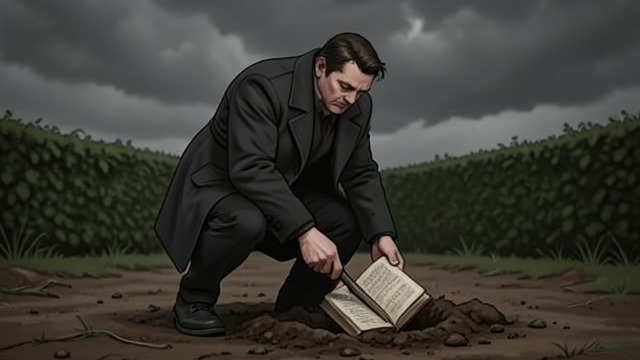
A Manuscript Beneath the Garden
A testimony is hidden
Josef buries a Yiddish manuscript in a child’s shoe beneath a hedge by the Doll garden. The hiding place connects the written record of the camp to a domestic landscape maintained by its commandant.
Writing outlives its author
The manuscript is meant to preserve what happened after its writer is gone. Its survival depends on the danger and labor of people who may never live to explain it.
The Decision to Read
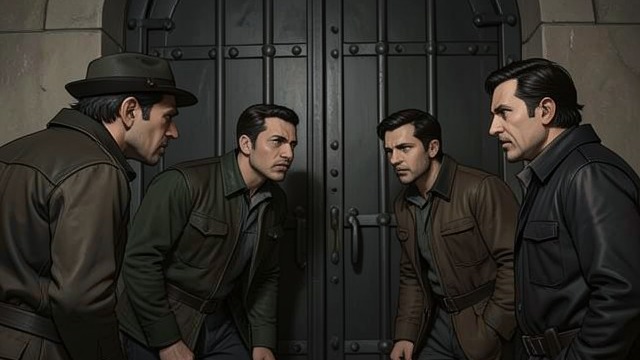
The Decision to Read
The group makes a choice
The Sonderkommando prisoners debate whether to exhume Josef’s document, then recover it and read together. Szmul is instinctively opposed but participates in the decision.
Testimony becomes an event
The prisoners’ collective reading makes the manuscript more than an object. Their response exposes how difficult it is to receive a story about people trapped in the same impossible conditions.
The Children’s Accusation
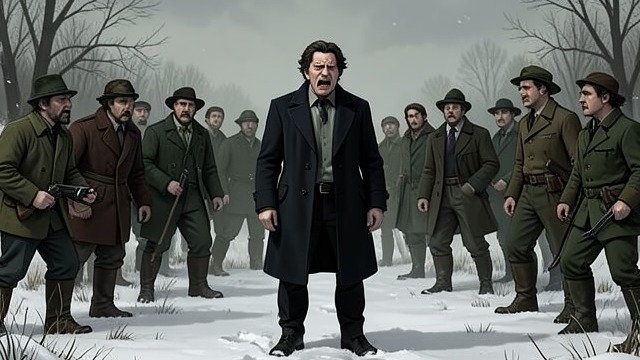
The Children’s Accusation
A scene of moral condemnation
The manuscript describes a child accusing a Sonderkommando prisoner of leading Jewish children to the gas in order to survive. The words provoke grief, anger, and disagreement among the readers.
The accusation oversimplifies coercion
The prisoners resist the manuscript’s dramatic presentation, not because the crime is false but because the imagined speech does not capture their situation. The scene asks what kind of truth can survive under extreme coercion.
Szmul Questions His Own Writing
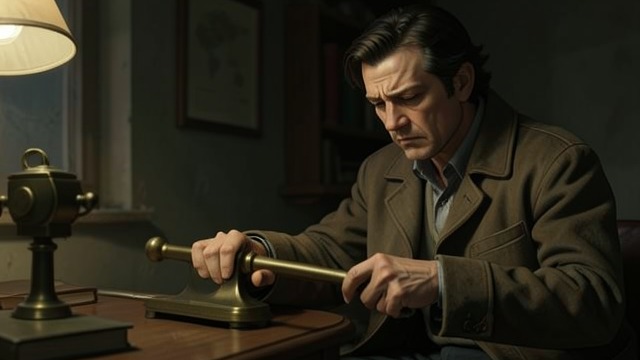
Szmul Questions His Own Writing
The witness fears invention
Szmul asks whether he will lie, whether he will need to deceive, and whether he can write without making his testimony unclean. He recognizes that good intentions do not guarantee accuracy.
Truth remains a responsibility
He ensures that Josef’s pages are reburied rather than destroyed. The decision preserves the record while acknowledging that testimony is never simple or morally effortless.
A Record Beneath the Earth
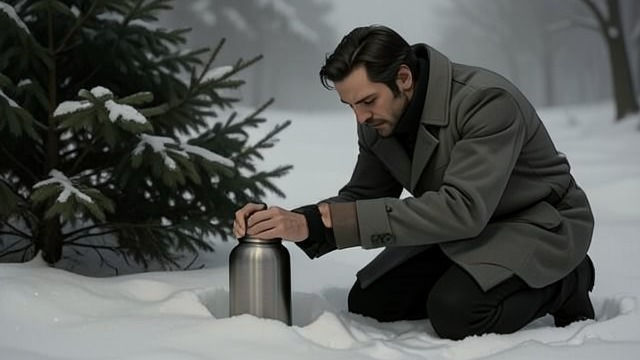
A Record Beneath the Earth
Writing seeks a future reader
Szmul hides his own writings in a thermos beneath a bush before going to meet Doll. He hopes that not all of him will die with his body.
The archive resists erasure
The hidden record cannot guarantee that anyone will find or understand it. Its burial nevertheless asserts a future beyond the camp’s control and gives witness a material form.
Autumn 1942, before the manuscript is recovered
Autumn 1942, after the Sonderkommando prisoners debate the manuscript
During the reading of Josef’s manuscript
After the manuscript is returned to the ground
April 1943, before Szmul’s final assignment
