
The Fate of Dieter Kruger
The Zone of InterestThis thread follows Kruger from political imprisonment to his concealed execution and the different meanings his fate holds for the living.
increasing Bearing strength in each event
 decreasing
Bearing strength in each eventdecreasingArrest After the Fire
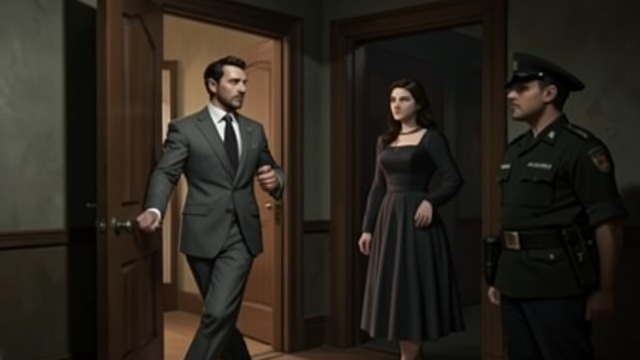
Arrest After the Fire
A political opponent is imprisoned
Dieter Kruger is arrested during the regime’s repression of the Left and sent to Dachau. His prior work as an academic and activist makes him a target of the new government.
Hannah loses access to the past
His disappearance from ordinary life leaves Hannah without a reliable account of what happened. Years later, that uncertainty becomes a source of pressure within her marriage.
Doll’s Stories of Torture
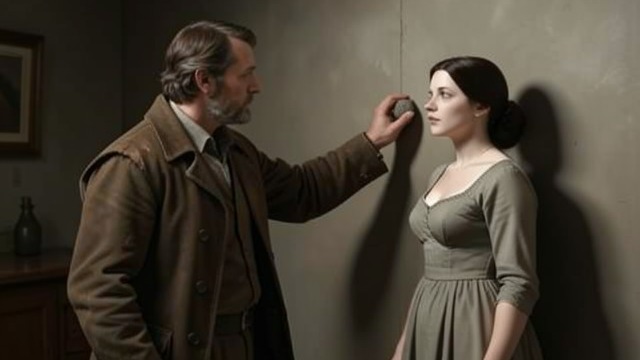
Doll’s Stories of Torture
A prisoner becomes a weapon
Doll invents or repeats elaborate stories about Kruger’s mistreatment to provoke Hannah. He moves him through camps and imaginary punishments according to his own anger.
Uncertainty serves control
The lies keep Hannah dependent on Doll for information, while making Kruger’s fate seem like a consequence of her past. The stories reveal Doll’s cruelty more clearly than Kruger’s actual history.
A Record in Leipzig
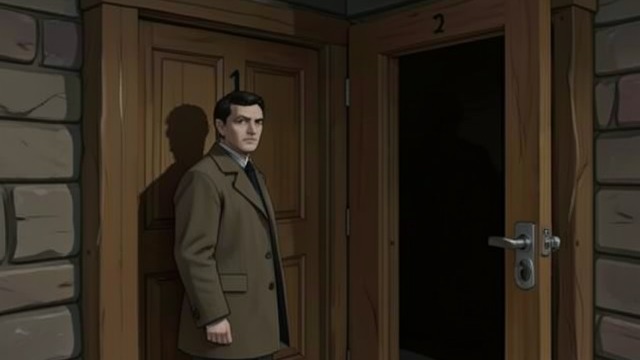
A Record in Leipzig
The trail ends in prison
Konrad Peters discovers that Kruger was transferred from Brandenburg to Leipzig State Prison on Christmas Day, 1933. The record then goes cold, suggesting a secretive and politically sensitive fate.
Thomsen suspects murder
The absence of ordinary information makes escape or special treatment the remaining possibilities. Thomsen’s search is shaped by the power of a state that can erase its prisoners from public view.
The Execution Behind the Joke
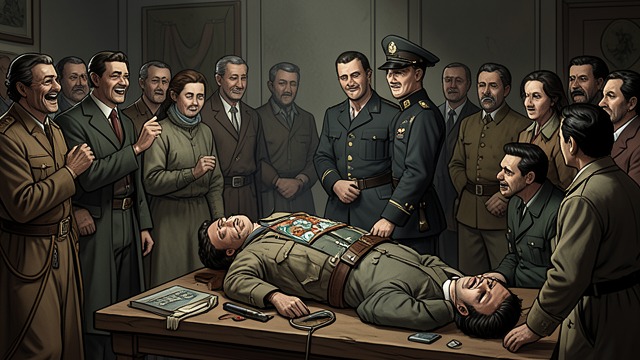
The Execution Behind the Joke
A mock decoration precedes death
Martin Bormann tells Thomsen that Kruger was executed after being publicly mocked and decorated with Nazi honors. The men who take part in the spectacle treat it as a joke.
Cruelty becomes a political memory
Kruger’s death is not only a killing but an effort to deny him dignity. Learning the story forces Thomsen to confront how political violence can turn even a prisoner’s final moments into entertainment.
The Brief Truth Told to Hannah
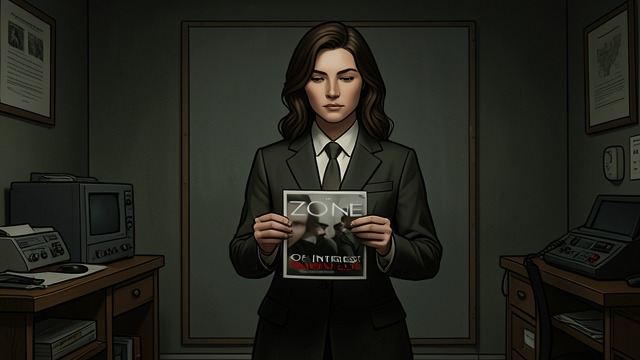
The Brief Truth Told to Hannah
The false stories are corrected
Thomsen tells Hannah that Kruger died early, after being executed in January 1934. He rejects Doll’s elaborate accounts of prolonged torture as false.
The dead remain absent
The truth helps Hannah understand the past but cannot reunite her with Kruger or return her youth. His fate continues to shape her identity without becoming a sentimental redemption.
March 1933, after the Reichstag Fire
Autumn 1942, during Doll’s arguments with Hannah
Winter 1942–43, after Thomsen contacts Konrad Peters
Late December 1942, after Thomsen speaks with Bormann
September 1948, during the reunion in Rosenheim
