Pullach
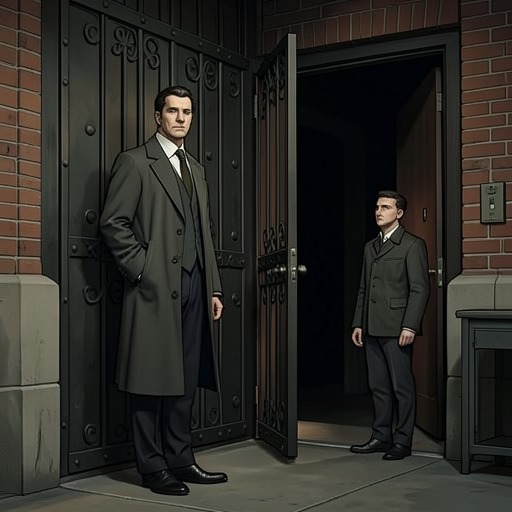
The Zone of InterestPullach is presented as the old family home in southern Bavaria where Gerda Bormann’s domestic life intersects with the work and travel of her husband, Martin Bormann, the Director of the Party Chancellery. The house is at once a family setting—with staff, meals, and walks across its grounds—and a point in the itinerary of senior Nazi officials.
Setting and Household
The home’s domestic character emerges in the preparations for a meal: Gerda lays a table for seven and readies two highchairs, then recounts stories about the governess, gardener, housemaid, and nanny. Her account turns abruptly from household gossip to a reflection on counting the dead, bringing the weight of the outside world into a conversation rooted in the house. The scene places Pullach’s ordinary routines beside the moral distortions of the period without making them feel separate. The grounds extend that domestic space into lawns and lanes where the narrator takes long walks with Gerda. At Christmas, they walk arm in arm, wrapped in tweed; the family home is therefore not only an interior of meals and conversation but also the setting for a recurring, physically close companionship.
Political Traffic Through the House
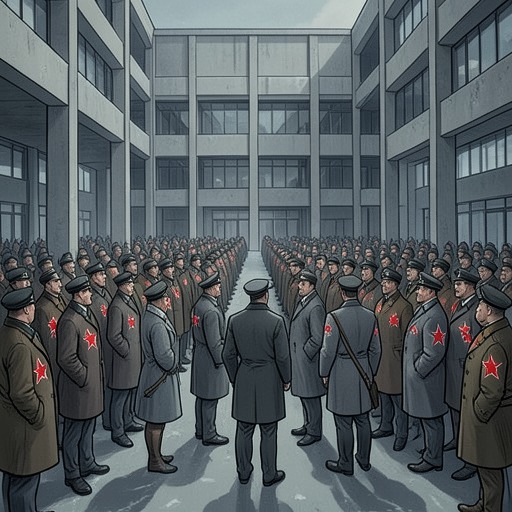
Martin Bormann is travelling to join the family at Pullach from the mountain retreat at Obersalzberg, associated in the account with Berchtesgaden, the Berghof, and the Kehlsteinhaus. At the house, he sorts and stacks a vast accumulation of mail on the hall table. Over the following three days he is seen only at mealtimes, while visitors connected with Party Publications, Race and Resettlement, and the Reich Ancestry Bureau join the adults for dinner. Pullach thus functions as a domestic address within the circulation of Party business, not as an escape from it. At five o’clock on the last morning of 1942, Martin leaves Pullach. His journey runs first by car to Berchtesgaden and then by plane to the field headquarters at Rastenberg in East Prussia, a movement the narrative frames as a passage from the Eagle’s Nest to the Wolf’s Lair. The departure makes the home one stop in a larger geography of Nazi power, linking family life to the leadership’s mountain retreat and wartime headquarters.
Intimacy and Narrative Significance
Pullach’s walks also expose the narrator’s assigned place in the household. Entertaining and listening to Gerda had long been part of his function and value to the Reichsleiter; Martin once observed that after one of the narrator’s visits she would sing for weeks while scrubbing the floor. During their Christmas walks, the narrator embraces Gerda and imagines Hannah Doll, noting that the two women are the same height and mass. That private association complicates the apparent ease of family intimacy: the grounds allow closeness, but they also hold an absent person in the narrator’s thoughts. The location’s significance lies in this overlap. Pullach’s table, hall, lawns, and lanes make an intimate family world visible, while Martin’s mail, political visitors, and onward journey keep the machinery of the regime present within it. The home does not stand outside history; its domestic rhythms are threaded through with political service, concealed feeling, and the movements of power.