
Connie’s Escape from Control
The light house: A love storyThis flow traces Connie Dixon’s movement from sexual exploitation and financial dependence toward autonomy and self-directed work.
increasing Bearing strength in each event
 decreasing
Bearing strength in each eventdecreasingThe Trapped Painter
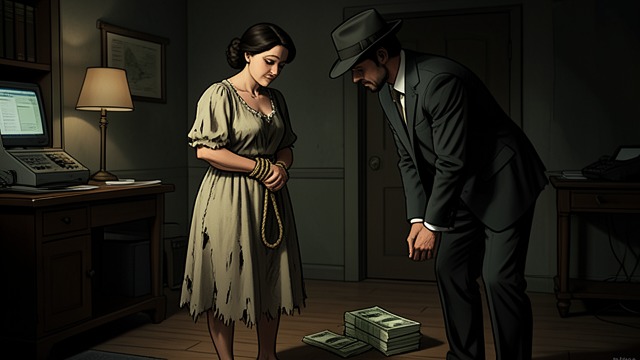
The Trapped Painter
Dependence
Connie Dixon arrives in New York with an artistic dream but becomes financially dependent on Duncan Cartwright.
Captivity
His promises of exhibitions become a system of debt, sexual coercion, and emotional ownership.
Stakes
Her suppressed ambition gives the escape story its moral urgency.
The Thrown Phone

The Thrown Phone
Defiance
Connie Dixon throws away her phone after refusing Duncan Cartwright’s messages.
Fear
The gesture briefly feels liberating, but guilt and practical dependence immediately return.
Turning Point
Her first act of rebellion shows that freedom begins before she has a secure plan.
The Hidden Master
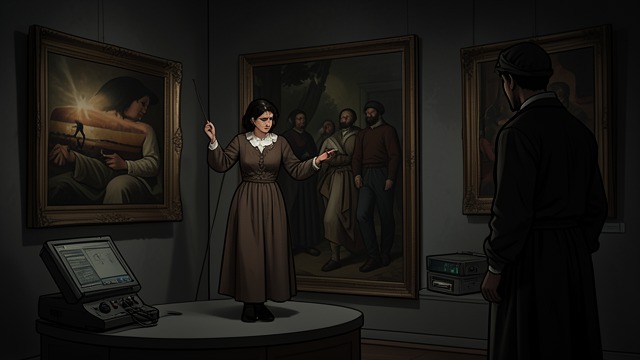
The Hidden Master
Discovery
Connie Dixon recognizes Bill Mason’s unsigned paintings as the work of Blake McGrath.
Pursuit
Her professional knowledge turns curiosity into a risky search for the vanished artist.
Transformation
The search promises both artistic renewal and a possible escape from Duncan Cartwright.
The Breakaway Deal
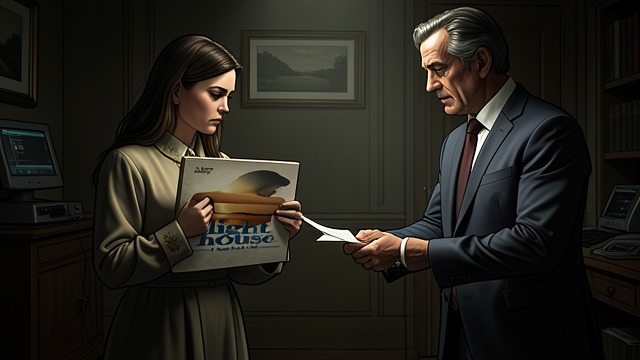
The Breakaway Deal
Confrontation
Connie Dixon confronts Duncan Cartwright with one of the hidden paintings.
Bargain
She exchanges it for financial independence, nursing care, and release from his claims.
Liberation
The transaction converts art into a practical instrument of freedom rather than another form of possession.
A New Beginning

A New Beginning
Return
Connie Dixon returns to Maine with little money but a clear purpose.
Rebuilding
She begins creating a gallery and a life organized around chosen work and chosen love.
Resolution
Her escape becomes sustainable when independence is joined to vocation.
Before the Maine vacation
The first night in Maine
Early in the Maine stay
After Connie returns to New York
After the New York confrontation
