
The Meaning of a Masterpiece
The light house: A love storyThis flow traces the novel’s movement from inherited artistic prestige toward a more intimate definition of mastery.
increasing Bearing strength in each event
 decreasing
Bearing strength in each eventdecreasingThe Old Masters
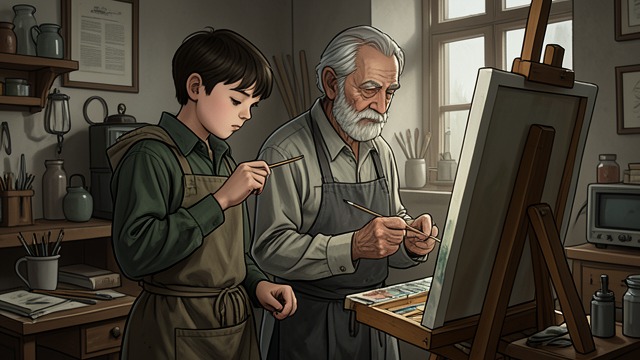
The Old Masters
History
Blake McGrath explains how sixteenth- and seventeenth-century artists earned mastery through apprenticeship.
Craft
A masterpiece originally meant a work made by a qualified master.
Critique
Modern fame often preserves the word while losing its discipline.
The Market Master
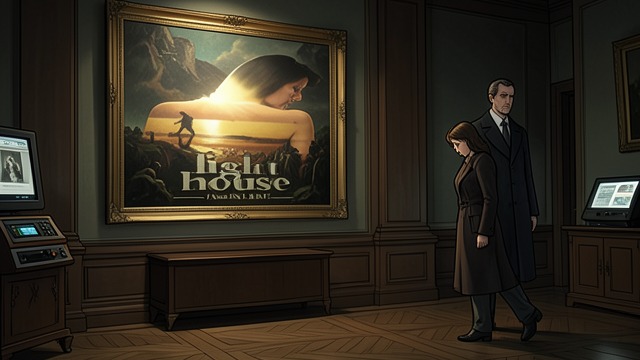
The Market Master
Fame
Duncan Cartwright identifies Blake McGrath as America’s Rembrandt.
Price
The market measures his work in hundreds of thousands and millions.
Limitation
Commercial valuation cannot explain why Connie Dixon responds to the paintings emotionally.
The Hidden Masterpiece

The Hidden Masterpiece
Recognition
Connie Dixon calls an unsigned local painting a masterpiece despite its anonymous presentation.
Insight
She identifies emotional and technical greatness before market confirmation.
Challenge
The scene asks whether value exists before public approval.
The Portrait Standard

The Portrait Standard
Achievement
Blake McGrath creates a portrait Connie Dixon considers greater than his famous seascapes.
Intimacy
Its mastery comes from attention to a particular person rather than a grand landscape.
Revision
The novel shifts greatness from scale and reputation to emotional accuracy.
The Blind Masterpiece
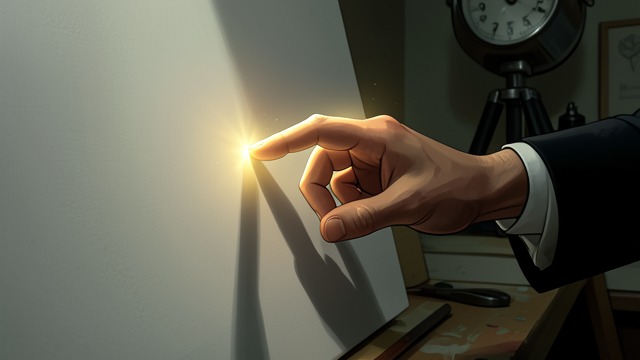
The Blind Masterpiece
Rejection
Blake McGrath refuses to treat blindness as the end of mastery.
Transformation
He proposes art that makes feeling itself the subject.
Definition
A masterpiece becomes an honest encounter between inner experience and form.
During Blake McGrath’s studio discussion
When Duncan Cartwright describes Blake McGrath’s reputation
When Connie Dixon first sees the small seascape
When Connie Dixon sees the finished portrait
At Blake McGrath’s gallery speech
