
Freedom from Possession
The light house: A love storyThis flow examines how the novel contrasts Duncan Cartwright’s ownership with the voluntary trust Connie Dixon and Blake McGrath build.
increasing Bearing strength in each event
 decreasing
Bearing strength in each eventdecreasingBought Affection
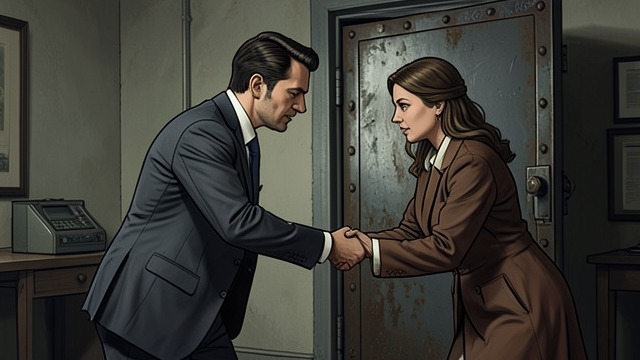
Bought Affection
Transaction
Duncan Cartwright frames support as a debt Connie Dixon must repay with obedience and sex.
Possession
His language treats her body, time, and future as property.
Distortion
Economic help becomes indistinguishable from coercion.
The Unowned Painting
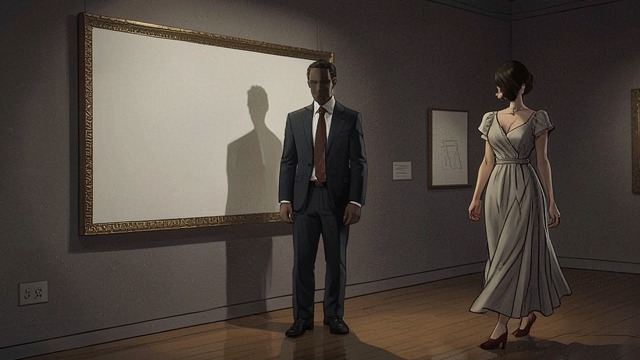
The Unowned Painting
Refusal
The gallery owners reject Connie Dixon’s money and preserve the painting as a gift.
Contrast
Their decision opposes Duncan Cartwright’s belief that every valuable thing can be purchased.
Principle
Some art remains bound to relationship rather than price.
The Debt Exchange
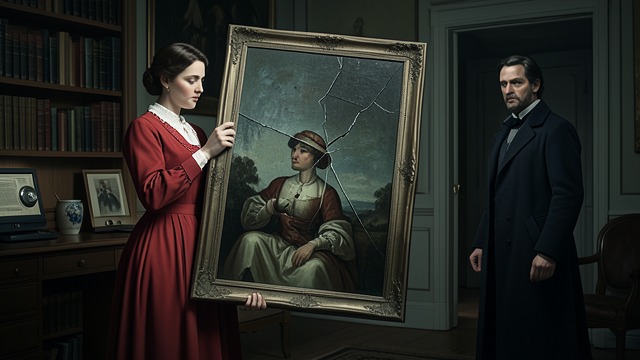
The Debt Exchange
Bargaining
Connie Dixon uses a painting to buy release from Duncan Cartwright.
Reversal
The object he covets becomes the tool of her emancipation.
Meaning
Value changes when the owner of the choice changes.
The Trust Gift
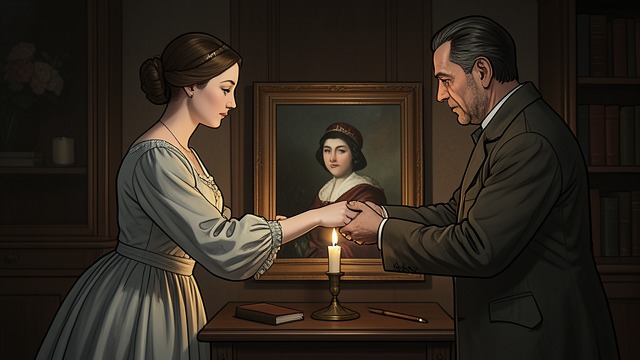
The Trust Gift
Offering
Blake McGrath gives Connie Dixon the portrait rather than demanding payment.
Difference
His gift expresses intimacy without creating debt.
Freedom
The painting belongs to their shared memory, not to a system of leverage.
Chosen Partnership
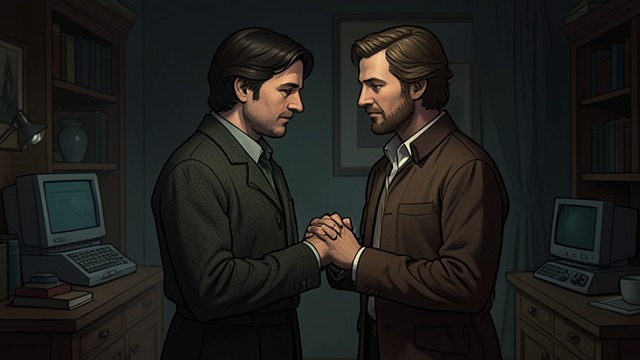
Chosen Partnership
Consent
Connie Dixon and Blake McGrath continue together through explicit promises and practical cooperation.
Equality
Neither partner owns the other’s career or body.
Resolution
Love is presented as repeated choice rather than possession.
During Connie Dixon’s four years with Duncan Cartwright
At Hoyt Harbor Gallery and Gifts
During the New York confrontation
When Blake McGrath completes the portrait
After the gallery opening
