Egyptian Amulet Magic
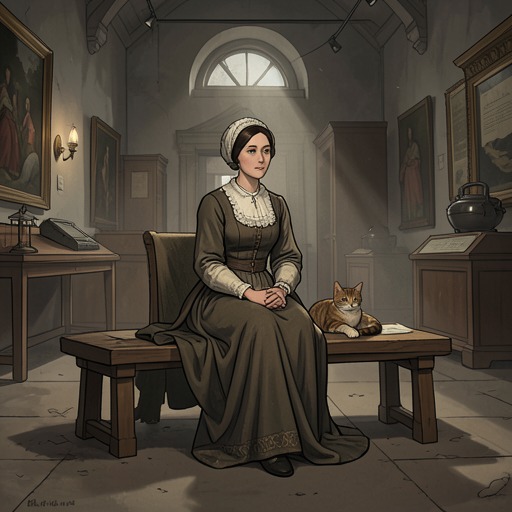
Theodosia and the Serpents of ChaosEgyptian Amulet Magic is a hands-on practice of protection and healing, built from chosen materials, inscribed symbols, spoken charms, and deliberate acts of wearing or applying them. For Theodosia, amulets are not interchangeable trinkets: their ingredients must answer a particular danger, and their making demands both technical knowledge and care. Their recurring successes and limitations make protective magic a working craft rather than a guarantee of safety.
Materials and Construction
Theodosia’s amulets combine physical substances with meanings assigned to them in Egyptian magical practice. To make one for Isis, she removes her gloves so she can work precisely, then draws a wedjat eye in the center of a linen square with the burned end of a willow stick. The sign invokes the healing power of Horus and the protection of the Eye of Ra. In a separate design, she uses a heart-shaped pebble as the base: after scraping away its old wax and linen and rinsing it with purifying water, she draws a wedjat eye and a snake on fresh white linen with ink made from myrrh. The eye signifies wholeness and health, while the snake’s viciousness is meant to repel danger.
The heart amulet’s other components extend that logic of protection through carefully selected materials. Theodosia places a sliver of malachite, associated with regeneration and healthy life, at the center of the eye, folds the linen around it, and seals the bundle with candle wax before pressing it onto the pebble. She then twists gold-colored wire into an ankh, a symbol of life associated with the sun god, and wears it on a cord. A braided bracelet offers another layer: white threads represent purity, green ones life and regeneration, yellow the eternal sun, and red the fiery protective power of the Eye of Ra. Six knots added after the four-color plait are intended to form a barrier hostile forces cannot cross.
These recipes make design a matter of diagnosis. Theodosia explains that an amulet works best when its ingredients are chosen for the particular kind of curse involved. When the curse is unknown, she must fall back on general protection, which is less powerful. That uncertainty is why she sees a supply of several amulets as prudent rather than excessive; the heart-shaped pebble, for example, is specifically suited to physical injuries.
Protection on the Body
Amulets work through contact and placement as well as composition. Theodosia’s protection for Isis is made into a collar, which she struggles to fasten around the cat’s neck while Isis fights to escape. During the attempt, she recites a charm calling on Horus and the Eye of Ra to heal and protect Isis, then throws purifying water after her as she bolts through the door. The scene joins a carefully prepared object to spoken words and bodily action, but the ritual is not calm or controlled: Theodosia has to manage an unwilling animal while completing its final steps.
The Chosen Keepers use a more permanent form of bodily protection. Stokes tells Theodosia that the group wears protection at all times, ingrained into their skin, and takes precautions several times a month. When he opens his shirt, she sees a wedjat eye tattoo just below the base of his throat. Its position is deliberate: she understands the throat as vulnerable to evil magic and connects the placement to the ancient practice of wearing amulets around the neck. Yet the tattoo is no promise of invulnerability. Stokes has a wound, and Theodosia reflects that ingrained protection cannot serve as a tourniquet. The tattoo marks continuous defense, not immunity from physical harm.
Theodosia has also made amulets for her parents in the hope that they will wear them, but they refuse. Their reluctance becomes a point of tension when Wigmere asks whether they are protected. She insists that their refusal does not mean they have turned evil, while he argues that the risk cannot simply be ignored. In this exchange, an amulet is both a protective object and evidence of whether someone accepts the practices the Keepers consider necessary.
Rituals, Words, and the Risk of Error
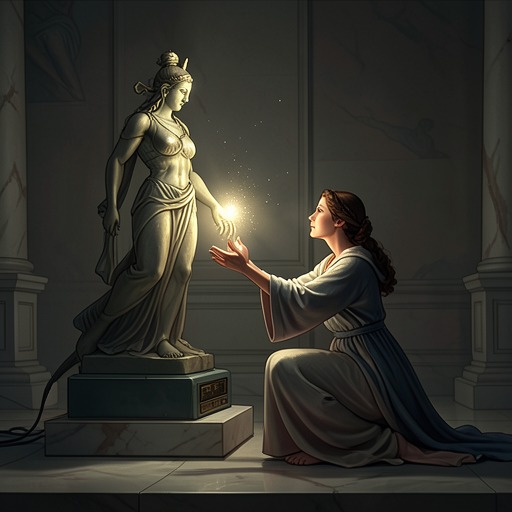
The novel distinguishes protective amulets from the separate procedure Theodosia attempts to remove a curse from a statue. That failed working clarifies why protection depends on attention as much as materials. She makes a wax figurine, carves hieroglyphs into its base, mixes claret with finely ground rue, and wipes the potion onto the cursed statue with a rag, keeping her fingertips from touching it. She draws a wedjat eye on each palm for protection and chants from a book. As the statue vibrates and its symbols shrink beneath the potion, the rite appears to be working.
But the transfer goes wrong at the crucial moment. The symbols detach from the statue and hover in the air; when Theodosia speaks a phrase dismissing a putrid she-cat, Isis swipes at her ankle. Theodosia looks down to correct the misunderstanding, and the hovering symbols stream toward the cat instead of the wax figure intended to receive them. Isis becomes wild and hostile as the hieroglyphs dance over her fur. The episode gives the practice a sharp limitation: elaborate ingredients and correct preliminary steps cannot compensate for a lapse in concentration. A ritual meant to contain a curse can redirect it toward someone vulnerable.
Names and Continuing Care
Theodosia’s later efforts to calm Isis draw on a principle related to, but distinct from, the making of amulets: creative utterance and the power of true names. She traces the hieroglyphs for Isis near a sardine tin and calls to her, first without success, then in ancient Egyptian. Later, she speaks calmly to the cat and repeats her name; Isis settles enough to eat. Theodosia then lies in a sarcophagus, calling Isis and Horus as the cat approaches, climbs onto the edge, and finally settles at her feet, purring. The amulet appears to be helping, but the scene presents recovery as a combination of protection, naming, patience, and renewed trust rather than as an instant cure.
This attention to names also frames amulets as part of a larger magical discipline. Theodosia has learned that a spell depends not only on the words chosen but on how they are said, and she tries to use that knowledge alongside prepared objects. An amulet can carry protective signs and substances, but it belongs to a practice in which speech, focus, and the relationship between practitioner and protected being matter too.
An Ancient Amulet and the Limits of Safety
The value of such protection becomes especially vivid when Theodosia receives a tiny wedjat eye on a thin golden chain. Its protective magic feels unusually powerful to her. The accompanying explanation identifies it as extremely old and reports a tradition that Horus fashioned it and gave it to the first Egyptian king as a sign of divine favor. She is told to wear it at all times, even if it must be hidden beneath her collar. The chain turns the principle of protection into a daily instruction: the amulet is not merely to be admired but kept against the body.
Across these examples, Egyptian Amulet Magic is at once precise and conditional. Symbols, stones, metals, thread, wax, water, and bodily placement each contribute a distinct purpose; the right design depends on the threat, and its use requires continued attention. The story refuses to equate protection with invulnerability: Stokes remains injured, Isis’s recovery is uncertain, and a distracted ritual transfers danger rather than containing it. Amulets matter because they offer practical means of resistance, but their power operates within a wider craft whose results depend on knowledge, care, and the limits of the person performing it.