Newly Discovered Tomb
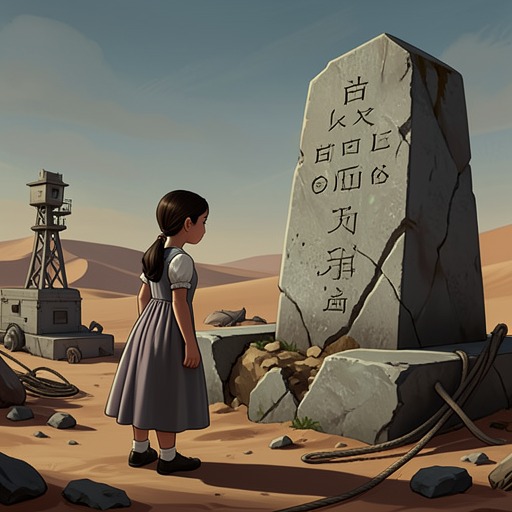
Theodosia and the Serpents of ChaosThe Newly Discovered Tomb is the archaeological site Theodosia discovers during her Egyptian expedition, a find important enough to be diagrammed from memory and to bring her credit for the Was scepter in the museum’s planned exhibit. Its promise of discovery is complicated by the presence of German intruders seeking objects for the black market, and by the urgent choice to get the injured Theodosia to medical care rather than explore further.
Discovery and Archaeological Importance
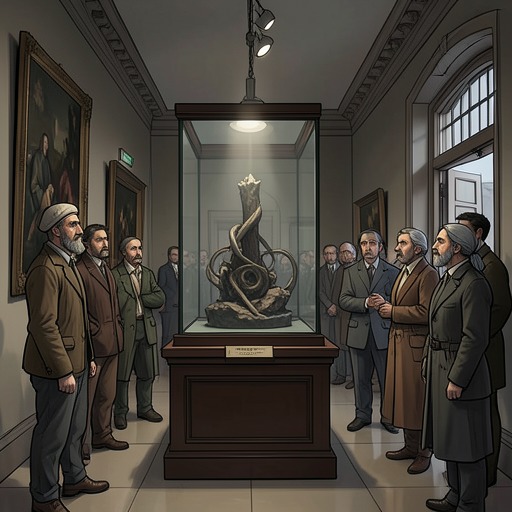
The tomb is described as previously undiscovered, and Theodosia later sits in her workroom trying to draw its layout from memory. That effort gives the site a concrete place in her work as an archaeologist: it is not merely an adventure setting, but a newly found structure she is trying to document after leaving it behind. The museum’s plans also connect the expedition’s discoveries to the Was scepter. Theodosia learns that it will be a focal point of a new exhibit and that she will be credited as its discoverer, an unusually public recognition for an eleven-year-old.
Intruders and Interrupted Exploration
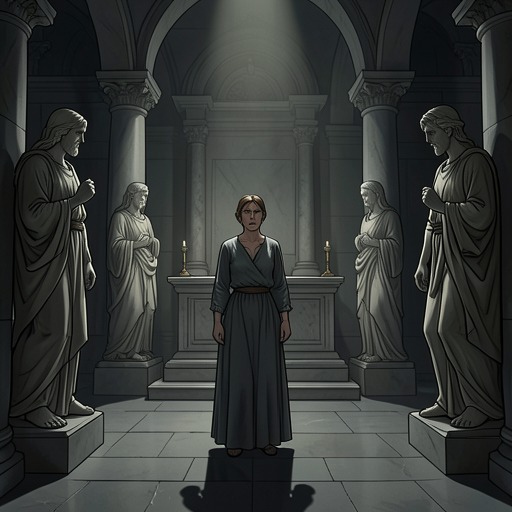
The tomb is also a dangerous space. When Henrietta asks whether the men inside were from the British Museum, Theodosia answers that they were Germans looking for things to sell on the black market. The intruders get away, so the discovery does not end with their capture or a secure archaeological investigation. Their presence turns the site’s potential wealth into a threat and leaves the people who found it with an unresolved danger beyond the tomb.
Henrietta makes clear that she and Alistair did not stop to look at the new section Theodosia had discovered. They needed to get her out and find proper medical treatment, and Henrietta asks whether there were others below. The choice places her daughter’s safety before the excitement of an unexplored find; the tomb remains waiting while Theodosia is taken away for care.
Documentation and Aftermath
Afterward, Theodosia attempts to reconstruct the tomb’s layout from memory in her workroom. The drawing is an immediate response to having left the site: a way to preserve what she discovered even though she cannot return to it at once. In the same period, the Was scepter’s planned prominence in the exhibit and her credited discovery give the expedition a lasting institutional consequence. The tomb therefore stands at the meeting point of perilous fieldwork and museum recognition, while the German intruders’ escape leaves its danger unresolved.