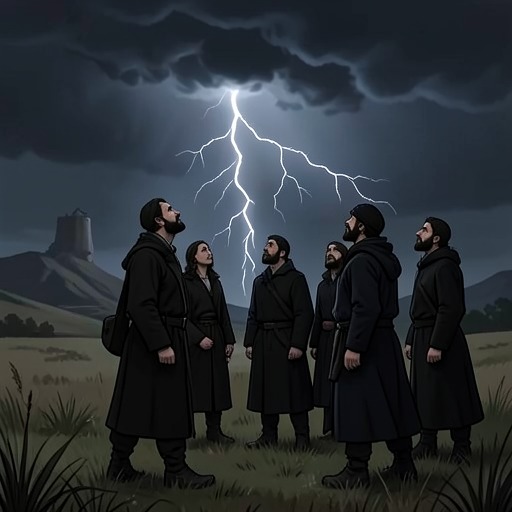
The Heart of Egypt curse strikes Britain
Theodosia and the Serpents of ChaosThe Heart of Egypt curse strikes Britain as a growing sequence of crop failure and infectious illness, transforming Lord Wigmere’s warnings of plague, pestilence, and famine into visible news. Theodosia recognizes the reports as signs of the curse described in an ancient inscription: the calamities are punishment for taking the Heart of Egypt from Egypt, and will continue until it is returned to its rightful resting place.
Causes and Warnings
The first clear warning reaches Theodosia through her father’s newspaper. After Mother leaves the breakfast table, Theodosia takes the paper from Father’s place, hoping to find news of the previous day’s events in St. Paul’s churchyard. Instead, she sees the headline “Crop Blight Appears in Northern Counties. Record Shortfall Expected.” The report gives concrete form to the famine Lord Wigmere had warned about, joining a distant prediction to a crisis already affecting Britain’s harvest.
The pattern deepens when Theodosia notices a small item in the paper’s bottom-left corner: “Virulent Illness Strikes Dozens in Hampsford.” Her immediate response, “Bother. Now all we need are locusts,” shows that she reads the illness not as an isolated report but as part of the foretold calamity. Henry asks what a locust is, a brief exchange that sets his ordinary curiosity against Theodosia’s growing apprehension.
Calamities Become Immediate
A later newspaper headline sharpens the threat: “Hundreds Hospitalized with Virulent Influenza.” Theodosia reads it as she is about to follow Father, and the news changes the urgency of their preparations. The outbreak has grown from dozens ill in Hampsford to hundreds hospitalized; the curse’s threatened pestilence is no longer only a phrase remembered from Lord Wigmere’s warning.
Together, the crop blight, expected shortfall, and spreading illness make the curse legible through ordinary public reports. The calamities arrive as headlines rather than as a single spectacular supernatural display, and their accumulation is what gives the warning force: famine and disease appear to be unfolding across Britain at once.
The Inscription and the Condition for Relief
The ancient inscription later sets out the logic behind the disasters. It declares that whoever takes the Heart of Egypt from Egypt will bring a thousand deaths upon themselves, and calls for pestilence to consume the land’s bounty and famine to weaken its people. It also threatens destructive flooding and plagues, framing these punishments as retribution against those who have diminished Egypt’s glory.
The inscription’s images connect the threatened future to suffering already witnessed. It depicts emaciated people resembling the haunted faces Theodosia had seen in Seven Dials, as well as people covered in pox and writhing on the ground. The curse’s final demand is that the Heart of Egypt be returned to its rightful resting place. That condition makes the British reports part of a larger conflict over the stolen object: the blight and illness are not presented as random misfortune, but as consequences of its removal and threats that will persist until it is restored.