Theodosia’s Curse-Detection Tests
Theodosia and the Serpents of ChaosTheodosia’s Curse-Detection Tests are a staged method for identifying dangerous magic in museum artifacts. They move from an initial hunch to a material test with wax and then to a night-time examination under moonlight. Together, the steps turn Theodosia’s sensitivity to curses into a repeatable investigation: the wax registers the presence of Heka, while moonlight makes the curse’s written signs visible.
The Three Stages
The first stage is an intuitive assessment based on hunches and gut instinct. Theodosia considers this useful as a First Level Test, but not sufficient when she needs to establish what is happening with greater certainty. Her insistence on proceeding logically and scientifically marks an important distinction: intuition raises the alarm; it does not finish the inquiry.
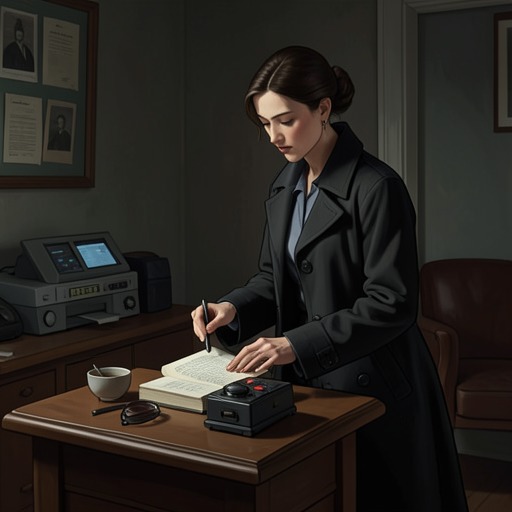
The Second Level Test uses wax to absorb Heka, or evil magic. Theodosia keeps wax scraps in a small, battered Canopic jar, originally an artifact that had arrived badly damaged and had not been restored because it was not particularly valuable. She reuses old candle stubs and sealing wax from the jar in her testing. For the test, she arranges pieces of wax in a circle around the suspected object and checks whether they change color. The method makes the wax a visible indicator: rather than relying only on a feeling about an artifact, Theodosia can observe a physical change around it.
The Third Level Test is the Moonlight Test. It requires examining the artifact at night, because moonlight is the only condition in which the inscribed curses become visible to the human eye. Theodosia describes the revealed marks as hieroglyphs that move and swim across an object, like a swarm of bees searching for someone to sting; they also produce a buzzing sensation. The last stage therefore does more than confirm that an object is dangerous: it exposes the curse’s written form, which ordinary viewing conceals.
The Test of the Cursed Bastet Statue
The tests escalate through Theodosia’s examination of the Cursed Bastet Statue. After arranging the wax scraps around its base, she returns to find that by dinnertime the entire circle has turned a foul greenish-black. The speed and extent of the change intensify the warning: she notes that the wax has never darkened so quickly before. The result is a strong indication of a curse, but it does not replace the next stage. Instead, it makes the need for the Moonlight Test more urgent.
That follow-up requires Theodosia to enter the museum at night, a setting she dislikes. She passes towering sphinx heads and hurries through the Ancient Egypt Exhibit, aware that Egyptian spells may regenerate after a full moon or on particular unholy days, and that others may appear only in certain seasons or under specific alignments of stars and planets. This account explains why a single inspection cannot safely settle every question: the signs of magic may be conditional, and their absence at one moment would not necessarily prove that an artifact is harmless.
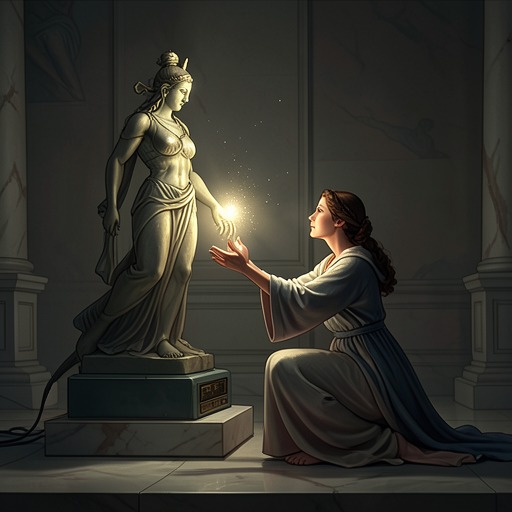
In the workroom, moonlight falls on the statue and reveals sacred words and symbols moving across its surface. The scene completes the procedure’s progression from suspicion, to a material warning, to direct visibility of the curse. The tests are not simply three interchangeable ways of looking at an object; each supplies a different kind of evidence, and the later stages depend on circumstances that the earlier one cannot provide.
Reliability and Limits
The method’s reliability is discussed when Lord Wigmere asks whether Theodosia has ever been wrong and whether the wax has ever stayed white. She answers that it has never stayed white. This establishes her reported record, while leaving the procedure itself grounded in what she has observed rather than in an independent demonstration of its limits. Her astonishment at how quickly the wax darkens around the Cursed Bastet Statue also shows that results can vary in degree, not merely register a simple yes or no.
The stages have different practical constraints. The wax test depends on collecting and placing the material around an artifact, then observing its condition; the Moonlight Test cannot be performed until night and requires the relevant light to expose the inscriptions. Theodosia’s warnings about spells that regenerate or become visible only under particular conditions further complicate certainty. Her method is systematic, but it demands patience, repeated attention, and knowledge of when magical evidence may appear.
Knowledge Shared with Lord Wigmere
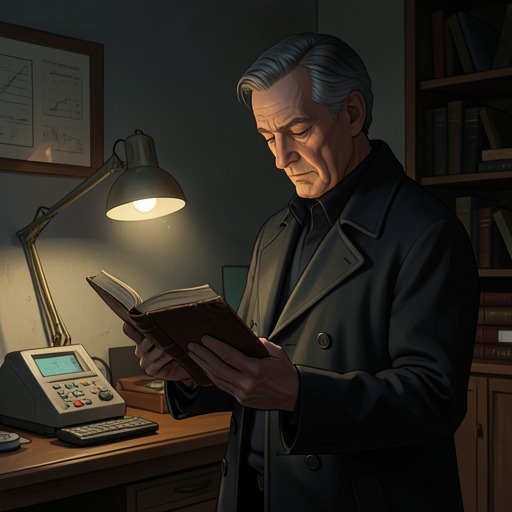
When Lord Wigmere asks whether she conducts other tests, Theodosia explains both the wax test and the Moonlight Test. She admits that the latter can sound foolish when described aloud, then details the moving hieroglyphs and their buzzing sensation. His close interest turns the exchange into an account of her method: he asks what the curses look like, and she in turn asks whether he has ever seen them in moonlight.
The exchange brings together two kinds of evidence. The wax’s darkening is an observable change that Theodosia can point to; the hieroglyphs and buzzing are perceptions she reports from direct encounters with cursed objects. The sequence gives her practice an intelligible structure without making its supernatural subject matter ordinary. Its central tension is precisely that Theodosia treats magic with procedural discipline while acknowledging that its signs can be elusive, time-dependent, and disturbing to witness.