Valley of Kings
Theodosia and the Serpents of ChaosThe Valley of Kings is the setting of two closely connected archaeological pursuits by Alistair Throckmorton and Henrietta Throckmorton. A search there for the tomb of Thutmose III ended in a professional betrayal; years later, Henrietta’s discovery of the adjoining tomb of Amenemhab fulfilled a theory Alistair had developed. The site thus binds the family’s scholarship to both the excitement of discovery and the conflict over who controls its results.
The Search for Thutmose III
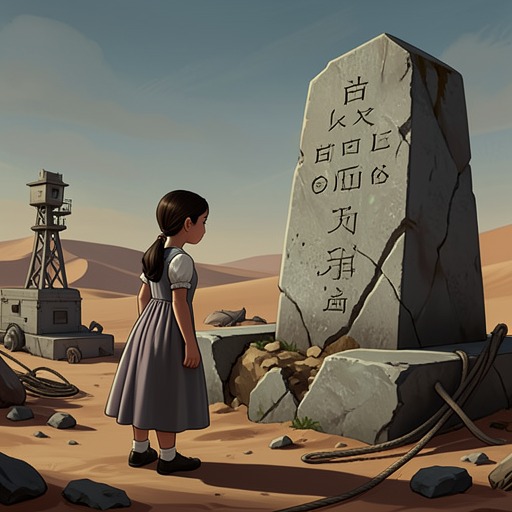
When Theodosia Elizabeth Throckmorton was two, Alistair Throckmorton and Henrietta Throckmorton travelled to the Valley of Kings to pursue the likely whereabouts of the tomb of Thutmose III, a powerful pharaoh of the Egyptian New Kingdom. Alistair had spent years researching the tomb’s location, and the expedition was described as a major success. Its professional outcome, however, was compromised when a colleague betrayed the researchers and Victor Loretti claimed the official discovery. The institution Alistair was working for did not support his claim and accepted Loretti’s instead.
That loss shaped the family’s subsequent working life: Alistair left the institution and joined the Museum of Legends and Antiquities. The Valley therefore marks not only the promise of a successful excavation but also the rupture between archaeological work and institutional recognition. A discovery made through painstaking research could still be credited to someone else.
Amenemhab’s Tomb
Alistair later developed a theory about the location of the tomb of Amenemhab, the Minister of War to Thutmose III. Amenemhab was credited by some with a share in the pharaoh’s great military conquests. After two years of searching without success, Henrietta found Amenemhab’s tomb adjoining the one associated with Thutmose III. The discovery brought Alistair’s research and Henrietta’s fieldwork together: his theory had identified the direction of inquiry, while her expedition produced the find.
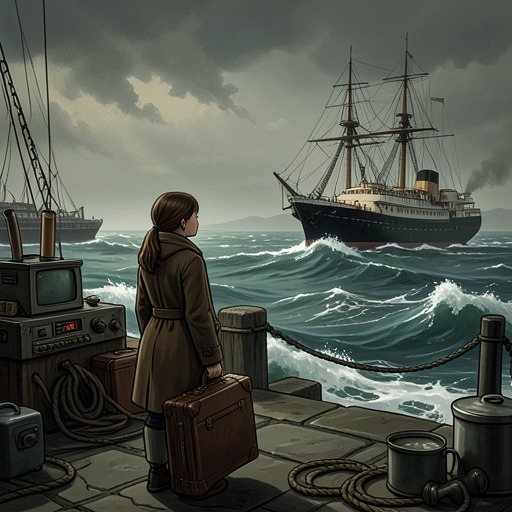
The discovery renewed the family’s anticipation of what an excavation might reveal. On her return, Henrietta spoke of the discoveries and of the help she had received from Von Braggenschnott in persuading local officials to allow her to take them out of Egypt and bring them to England. Her account also exposed a troubling contradiction: Von Braggenschnott had considerable influence despite being deeply involved in smuggling antiquities out of the country. The journey from excavation to museum storage was not simply a matter of finding objects; it depended on permission, transport, and people whose interests might be suspect.
Discovery, Credit, and Removal
The Valley’s role in the story rests on a contrast between finding an ancient tomb and securing authority over what the find means. Alistair’s earlier research did not protect him from losing official credit, while Henrietta’s later discovery depended in part on negotiating with local officials to remove the objects. Once the family returned, the crates and trunks were taken to the museum’s downstairs workroom and short-term storage. The movement from tomb to storage gives the expedition a material sequel: discoveries leave their archaeological setting and enter institutions and collections elsewhere.
By joining the search for Thutmose III with the discovery of Amenemhab’s adjoining tomb, the Valley of Kings becomes the landscape of the Throckmortons’ shared archaeological history. Its significance is inseparable from the uncertainties surrounding discovery: who finds, who receives recognition, who grants permission, and where the recovered antiquities ultimately belong.