
The Rise of System 1
Thinking, Fast and SlowThis flow traces the book's progressive discovery that automatic associative processes shape perception, judgment, emotion, and choice.
increasing Bearing strength in each event
 decreasing
Bearing strength in each eventdecreasingAutomatic Perception

The First Glance
Immediate Interpretation
An angry face produces a mood judgment and a prediction before deliberate thought begins.
Hidden Complexity
System 1 does not feel like an action, yet it constructs an elaborate interpretation.
Associative Activation

Bananas and Vomit
Spreading Links
Two words trigger memories, bodily reactions, causal expectations, and avoidance.
Coherent Fiction
The associative machine creates a plausible world before System 2 examines it.
Priming Without Awareness
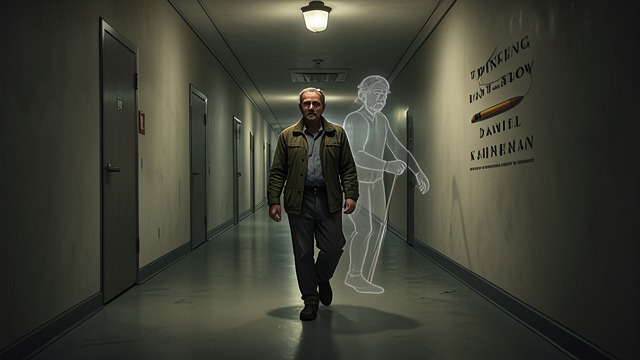
Invisible Influences
Behavioral Shifts
The Florida effect experiment links elderly-themed words with slower walking.
Threat to Agency
The research unsettles the belief that conscious intention authors every action.
Cognitive Ease

Ease as Evidence
Fluency
Clear fonts, repetition, mood, and familiarity make ideas feel true.
Misattribution
People often mistake the source of ease, confusing fluency with truth, safety, or credibility.
The Unturnoffable System

Automaticity and Vigilance
Persistent Suggestions
System 1 keeps generating impressions even when deliberate thought is preferred.
Limited Correction
System 2 can slow the process only when it notices danger and invests effort.
Early in Part 1
After the introduction of the two systems
During the chapter on the associative machine
Middle of Part 1
Near the end of Part 1
