
The Final Synthesis
Thinking, Fast and SlowThis flow gathers the book's major distinctions into a practical program for recognizing cognitive hazards and improving decisions.
increasing Bearing strength in each event
 decreasing
Bearing strength in each eventdecreasingThree Distinctions

Characters, Species, Selves
Mental Characters
System 1 and System 2 explain fast and slow thought.
Human Complexity
Econs and Humans, experiencing and remembering selves, add further conflicts.
Intuition's Double Nature

Marvels and Flaws
Competence
System 1 supplies most ordinary skill and appropriate action.
Error
The same machinery produces anchoring, overconfidence, substitution, and framing.
Minefield Recognition
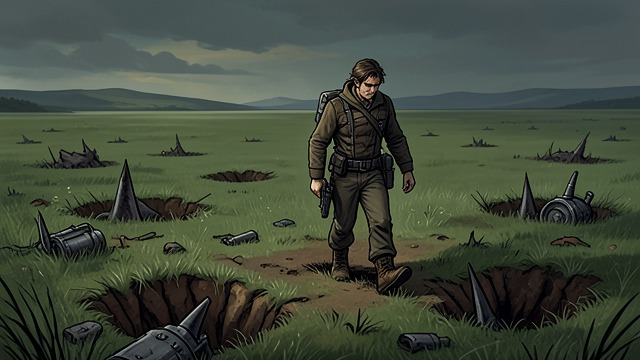
Slow Down
Warning Signs
Anchors, high stakes, missing base rates, and alternative frames mark cognitive danger.
Limited Remedy
System 2 can intervene, though effort and motivation are finite.
Organizational Repair
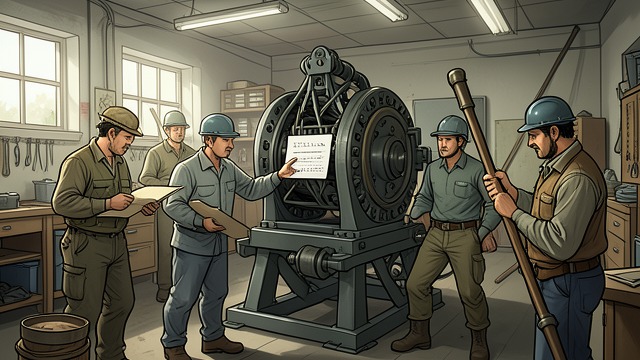
Procedures for Quality
Structured Work
Organizations can require checklists, independent judgments, reference classes, and premortems.
Routine Protection
Quality control works best before disaster rather than after it.
A Language for Critics

Sophisticated Gossip
Diagnostic Vocabulary
Labels make invisible patterns discussable.
Better Decisions
Fair criticism and informed expectation can strengthen both individuals and institutions.
At the opening of the conclusion
Early in the conclusion
Middle of the conclusion
Near the end of the conclusion
At the final pages of the book
