
Regret and Responsibility
Thinking, Fast and SlowThis flow follows the emotional force of counterfactual alternatives and its effects on blame, risk, medicine, and personal choice.
increasing Bearing strength in each event
 decreasing
Bearing strength in each eventdecreasingBrown and Smith
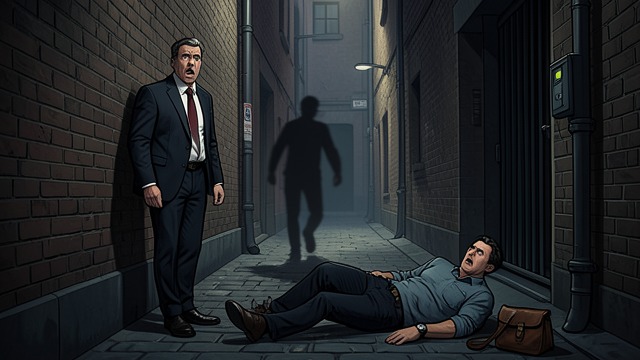
Unusual Action
Brown's Regret
The cautious man suffers more because he departed from his normal behavior before being robbed.
Smith's Blame
The habitual hitchhiker is criticized more by observers.
Action Versus Omission

Departing from Default
Emotional Asymmetry
People regret harmful actions more than identical outcomes produced by inaction.
Responsibility
A deviation from the default makes the counterfactual vivid.
The Unusual Treatment
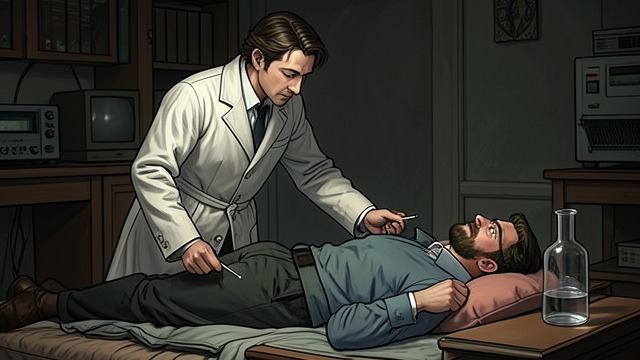
Medical Hesitation
Standard Care
A physician faces an unusual treatment with uncertain evidence.
Liability Fear
Potential regret, blame, and litigation favor the conventional choice.
Selling Health

A Fatal Risk
Buying Protection
People pay a limited amount for a vaccine against a tiny death risk.
Taking Responsibility
They demand far more to volunteer for the same risk because they would own the bad outcome.
Regret Prevention

Explicit Anticipation
Preparing Emotion
Naming possible regret before acting can reduce its later force.
Hindsight Defense
Thorough or deliberately casual decisions help prevent the torment of almost choosing better.
During the regret chapter
Immediately after the hitchhiker example
Later in the regret discussion
Near the end of the responsibility section
Near the conclusion of Part 4
