
The Public Story of the NHS
This Is Going to HurtThis flow traces Kay’s movement from private diary-keeping to public advocacy for clinicians and the people who depend on them.
increasing Bearing strength in each event
 decreasing
Bearing strength in each eventdecreasingSaving the Diaries
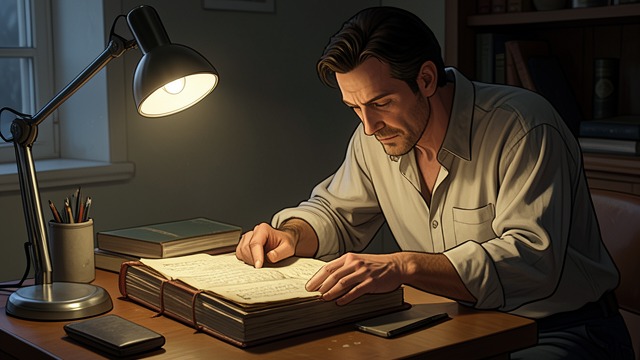
Saving the Diaries
A box of records
Adam Kay clears papers from his spare room and keeps his old diaries. Their stories restore the long hours and intense experiences that he had once simply worked through.
Memory becomes material
The diaries make it possible to revisit comedy, grief, and exhaustion together. Private notes begin to offer a record of what hospital work felt like from the junior doctor’s position.
Doctors in the News
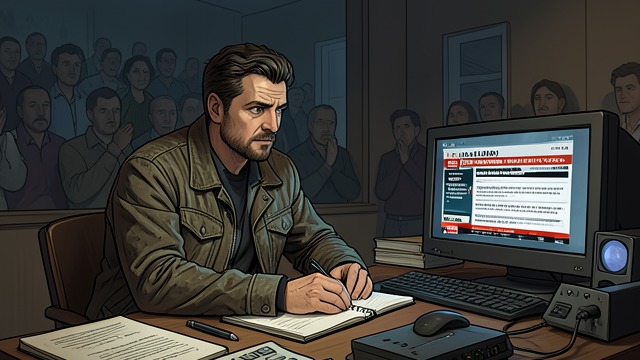
Doctors in the News
A public imbalance
Junior doctors are being criticized in the news, while Kay believes they are too busy to explain their own side. He worries that the public is hearing only one account.
A reason to write
Kay decides that sharing his experience can help people understand what the job actually involves. His diaries become a response to a debate that, in his view, misrepresents clinicians’ motives.
Leaving and Missing the Work
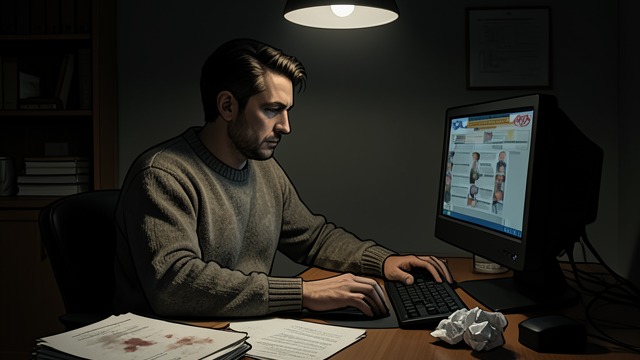
Leaving and Missing the Work
A different working life
Kay now faces ordinary writing problems such as computer failures and poor reviews. He does not miss the medical version of a bad day.
The good days remain
He misses colleagues, helping people, and the feeling that he has changed someone’s life. Leaving the profession has ended the danger but not erased its meaning.
The 2016 Dispute
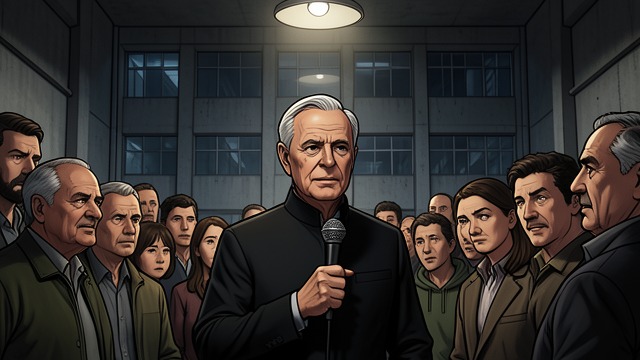
The 2016 Dispute
Public claims challenged
Kay sees the UK Government press doctors to work harder for less money and describe them as greedy. He rejects this characterization because he knows what has motivated clinicians around him.
Advocacy resumed
The junior doctors lose their dispute, and Kay concludes that NHS workers need to speak more loudly about their working lives. His response grows from personal experience into public advocacy.
A Request to the Reader
A Request to the Reader
Beyond one account
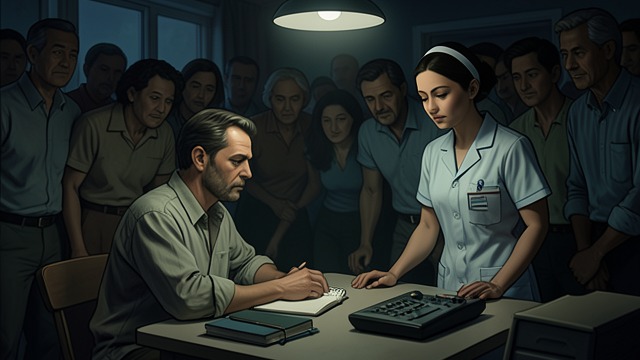
Kay emphasizes that the book is one doctor’s point of view, not a complete account of every clinician’s experience. He nevertheless sees colleagues carrying vivid memories of the sad and difficult events.
Public attention as responsibility
He asks readers not to accept political attacks on the National Health Service without considering the toll on doctors, nurses, and midwives. A hospital visit may wound its workers more deeply than patients realize.
After leaving medicine
Around the time Kay rereads his diaries
After Kay becomes a writer
2016
At the book’s close
