
Anni’s Absence
Three SecondsThis thread traces Ewert Grens’s movement from grief-bound routine toward a first, painful visit to Anni’s grave and a life not entirely organized around loss.
increasing Bearing strength in each event
 decreasing
Bearing strength in each eventdecreasingThe Weekly Visit

A Ritual of Grief
Returning to the window
Grens drives to the care home and stands outside the room where Anni once sat. Although another person now lives there, he has maintained the weekly visit for decades.
The routine gives shape to an absence he does not know how to fill.
A challenge to habit
Susann tells him that he is living for grief rather than living with it. She insists that the danger he fears has already happened and asks him to stop repeating the ritual.
Her words hurt because they describe a truth Grens has avoided.
Packing Away the Music
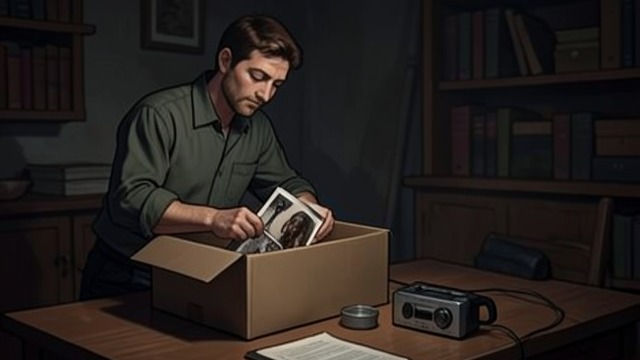
Removing the Familiar Sound
A room without Siw
Grens packs away the cassettes and photograph that have filled his office with Siw Malmkvist’s music. He tells Sundkvist that the singer no longer exists in the room.
Removing the objects is an attempt to end a routine that has carried him through the years since Anni’s injury and death.
The beginning of movement
Sundkvist recognizes that Grens is not simply discarding possessions; he is trying, however awkwardly, to move forward.
The boxes remain with him, preserving the past even as he places it out of sight.
A Grave Not Yet Visited
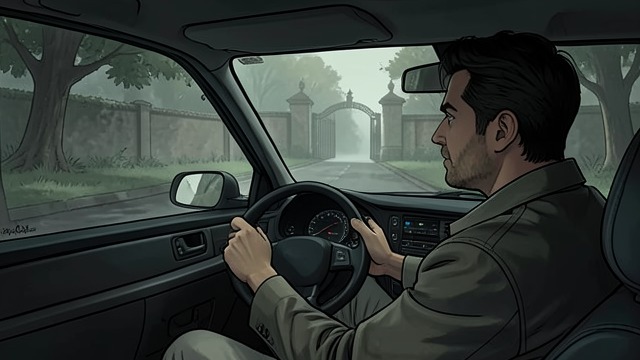
Avoiding the Cemetery
A postponed farewell
Grens repeatedly drives toward Stockholm North Cemetery but cannot bring himself to enter and find Anni’s grave. The distance between the gate and the burial place becomes a measure of grief he cannot cross.
He turns away twice, promising himself that he will return another time.
Work as shelter
The murder investigation supplies urgency and structure, allowing him to avoid the cemetery and the reality of a final farewell.
His persistent work is both professional commitment and refuge from a loss he has not faced directly.
The First Step Inside

Fear at the Gate
A failed attempt
In the early morning, Grens stops at the cemetery entrance but cannot get out of his car. The graves, grass, and gentle dawn seem beautiful, yet his body refuses to move.
He leaves without finding the place where Anni is buried.
A new direction
Later, as he is diverted from another attempt by the emergency at Aspsås, his hesitation becomes an unresolved promise rather than a completed refusal.
The crisis forces him to act for another life before he can act for his own grief.
Watering the Grave

A Farewell Begins
Finding the place
After the siege and the confrontation with senior officials, Grens returns to Stockholm North Cemetery with the map he has carried. He crosses the sections he had feared and reaches Anni’s modest temporary grave.
He waters the bush and recognizes that the person buried there is the young woman he once loved, not only the image of her later illness.
A changed memory
Grens tells himself that he did not kill Anni, separating the old accident from the present guilt imposed on him by the officials.
The visit does not erase his grief, but it makes the loss real and allows him to begin saying goodbye.
Monday dawn, before the murder investigation begins
Monday morning, after the nursing-home visit
The first two weeks of the investigation
During the hostage crisis, before Grens takes command
Sunday night, after the officials’ confrontation
