
The Boundary Between Paula and Piet
Three SecondsThis thread explores how Hoffmann’s fabricated criminal role protects him, erodes his sense of self, and eventually becomes the identity through which others decide his fate.
increasing Bearing strength in each event
 decreasing
Bearing strength in each eventdecreasingA Role Built from Truth

The Performance of Crime
Credibility through experience
Hoffmann can play a criminal because he has genuinely served time, used drugs, and learned the codes of prison life. Wilson’s invented records amplify truths rather than replacing them entirely.
The role works because its falsehoods are attached to recognizable experience.
A divided self
Hoffmann moves between husband, father, informant, and Paula. Each identity requires different language and behavior, and the repeated shifts make the boundary between role and person uncertain.
The novel asks whether a performance can remain temporary after years of use.
Lies Enter the Home
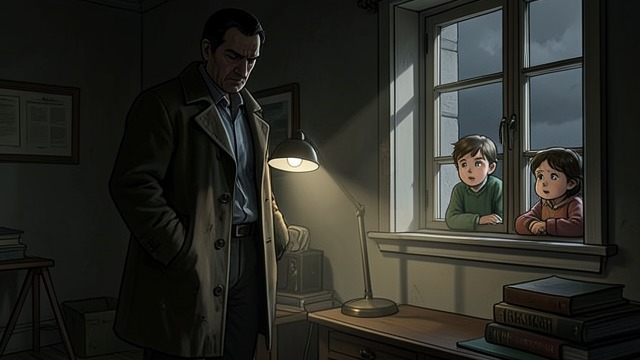
Domestic Deception
A trusted lie
Hoffmann repeatedly tells Zofia that his absences are ordinary work. He knows that she recognizes the pattern, but depends on her trust to keep their shared life intact.
The lie is habitual enough to precede conscious thought.
Self-recognition
When he brings the children near the operation, he realizes that he has violated his own rule against involving them. He recognizes himself in the self-deceiving prisoners he once despised.
The conflict is not simply between truth and falsehood; it is between the person he wants to be and the actions he has chosen.
A Name in the Room
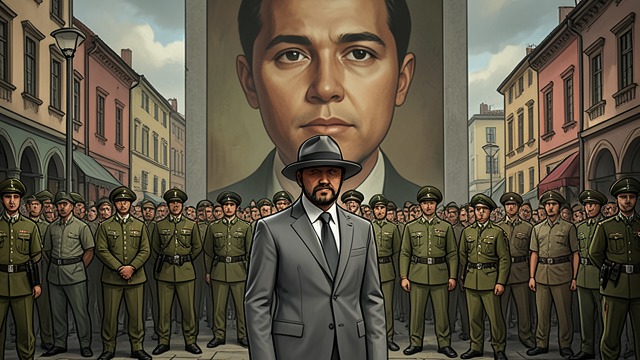
Paula Becomes Official
A code name spoken aloud
At Rosenbad, Hoffmann insists that Paula is the identity officials must use in the room. The name protects his operational role but also turns him into a person whose existence can be acknowledged only under restricted conditions.
The meeting recognizes the cover while refusing him ordinary legal standing.
An outlaw between sides
Wilson later tells him that he is now dangerous to both Wojtek and the authorities. The warning makes explicit that the cover is not a home but a temporary position between hostile systems.
Hoffmann’s identity offers access without belonging.
A False Record Becomes Real
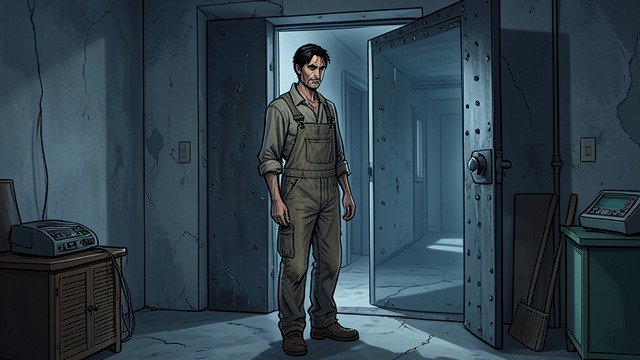
The Fiction Takes Control
Documents shape perception
Wilson’s invented charges and danger classification persuade inmates that Hoffmann is violent. The same records persuade police that he is capable of killing hostages.
The false biography becomes a source of real fear and institutional action.
No author in control
Once the documents circulate, Hoffmann cannot decide how others will use them. A cover constructed to protect him inside Wojtek becomes evidence against him in a police command post.
The story demonstrates how bureaucratic fiction can produce material violence.
No Certain Return
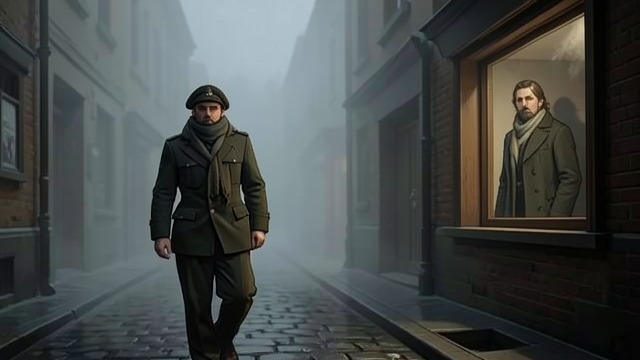
An Identity Unsettled
Survival beyond the role
Hoffmann escapes in a borrowed uniform and changes his appearance. He has left the prison, but the end of the operation does not restore a simple identity or erase the years of deception.
His location and relationship with Zofia remain uncertain.
The last message
His call to Wilson uses the language of the mission: it is completed. The phrase connects the living man to the persona that nearly consumed him.
The ending suggests survival without promising that Piet and Paula can be cleanly separated.
During the first years of Hoffmann’s infiltration
The days before Hoffmann tells Zofia the truth
May 10, at the secret government meeting
From the staged arrest through the siege
After Hoffmann escapes and contacts Wilson
