
Institutions and the Gray Zone
Three SecondsThis thread traces the novel’s critique of agencies that use criminals as sources, hide crimes to protect operations, and describe the resulting harm as someone else’s responsibility.
increasing Bearing strength in each event
 decreasing
Bearing strength in each eventdecreasingCriminals as Sources

The Informant System
Cooperation denied
Police recruit criminals to penetrate organizations that conventional methods cannot reach. The relationship is hidden, paid through informal channels, and protected by secrecy.
Informants can commit crimes while supplying intelligence about other crimes.
A democratic contradiction
The practice may produce valuable information, but it places the rule of law under strain. Investigators and prosecutors can be left unaware of evidence their own colleagues possess.
The novel’s central conflict begins inside that contradiction.
Two Investigations
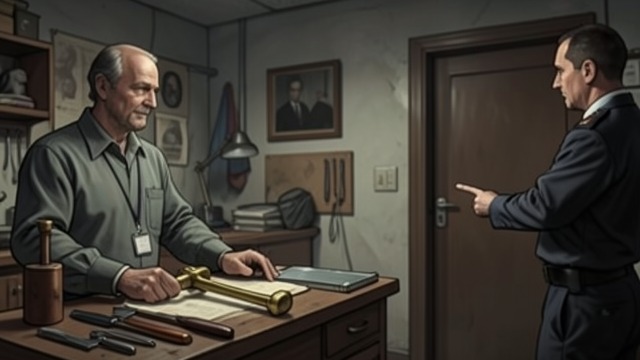
Two Versions of Events
Official and secret accounts
The homicide team builds a public investigation from forensic evidence, witness interviews, and conventional records. A parallel intelligence report describes the undercover operation and the dead buyer’s role.
The two accounts are kept apart by design.
Justice without the whole truth
The separation prevents investigators and prosecutors from making decisions with complete information. It also allows informants’ crimes and police mistakes to disappear from official scrutiny.
The case becomes an example of how secrecy can protect a source while damaging every other part of justice.
The Authorities’ Promise

Protection as Bargain
Immunity for usefulness
Senior officials promise Hoffmann that he will not be charged for the Västmannagatan events and will receive help completing the prison operation. Their guarantee depends on his continued value to the mission.
The arrangement treats legal protection as an operational instrument.
A source without rights
When Hoffmann becomes exposed, the same officials deny knowing him and withhold rescue. The promise cannot compel institutions that have already chosen secrecy over accountability.
The gray zone is not a stable compromise; it is a hierarchy in which the source bears the greatest risk.
Responsibility Displaced

Procedure as Distance
Capability without command
Officials arrange a temporary police appointment for a military marksman, giving the siege commander access to a weapon capable of reaching the workshop. They provide the means but do not issue the final firing order.
The decision is left to Grens, who does not know the truth about Hoffmann.
The language of innocence
Senior figures argue that they cannot be responsible for what others choose to do. The phrase converts deliberate preparation into apparent distance from the result.
The novel exposes how procedure can distribute agency without eliminating responsibility.
The Records Become Public

Accountability Versus Secrecy
A case beyond one source
The 302 reports reveal that concealed information has affected many investigations, not only Västmannagatan. Ågestam sees that prosecutions, acquittals, and sentences may have been distorted by missing facts.
The harm extends from informants to defendants, courts, and investigators.
A separate police unit
Ågestam considers the possibility of prosecuting those responsible and creating a dedicated unit to examine the reports. The proposal suggests an institutional response to a system that had no proper accountability.
The ending frames truth as a public obligation rather than a private act of revenge.
During Hoffmann’s recruitment and early service
After the Västmannagatan shooting
At the May 10 meeting
During the hostage crisis and sniper decision
After Grens retrieves the intelligence archive
