
Grens Exposes the Secret System
Three SecondsThis thread traces Grens’s transformation from investigator into whistleblower as he discovers that police superiors concealed the crime and manipulated the evidence around him.
increasing Bearing strength in each event
 decreasing
Bearing strength in each eventdecreasingA Case at a Standstill
The Official Inquiry
Evidence without access
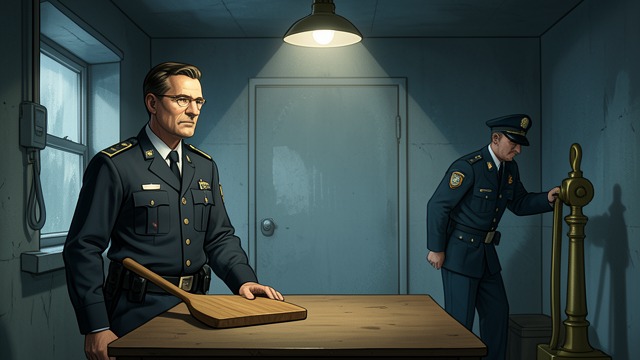
Grens follows the conventional evidence: the dead informer, the amphetamine delivery, the shirt, and the Polish connection. Each clue narrows the setting but fails to identify the surviving Swedish participant.
The case strains resources, and prosecutor Lars Ågestam gives Grens a short deadline before reducing the investigation.
A hidden constraint
Grens does not know that his colleagues already possess a fuller account of the shooting. His official inquiry is being kept separate from secret intelligence reporting.
The lack of progress is therefore not merely investigative failure. It is the consequence of deliberate withholding by people inside the police hierarchy.
A Record Changed

A Manufactured Suspect
The recent alteration
Grens notices that Hoffmann’s old conviction was modified only eighteen days earlier. The change gives him a new, highly violent history that fits the story officials have supplied to the prison and police.
A National Court Administration employee admits that Erik Wilson requested the changes. The altered record links the murder inquiry to the covert operation.
A deeper fraud
Wilson’s work has extended beyond one document: police databases and prison records have been tailored to make Hoffmann appear armed and psychopathic.
The fabricated identity helped him gain credibility inside Wojtek, but it also encouraged the police to treat him as a lethal threat. False information has begun to govern real decisions.
The Secret Reports

Two Versions of Justice
A hidden archive
Grens breaks into the county police commissioner’s office and retrieves a laptop containing hundreds of secret intelligence reports. The files describe crimes and informant activity that official investigations omitted.
He gives the material to Ågestam, who discovers that prior prosecutions and acquittals were shaped by evidence withheld from prosecutors.
A broader pattern
The reports show that Västmannagatan 79 is not an isolated exception. The system repeatedly sacrifices transparent investigations to preserve informants and intelligence operations.
The revelation expands the issue beyond one dead man: courts, investigators, and accused people have all been denied the same account of events.
The Recording’s Confirmation

Proof of the Meeting
A reluctant witness
Sven Sundkvist plays Wilson excerpts from the secret recording and shows him images of the siege. Wilson initially resists, maintaining professional distance from the informant he has lost.
He eventually admits that the Rosenbad meeting happened and that the recording is genuine. His confirmation removes the last internal doubt about the officials’ role.
Evidence becomes accusation
The recorded conversation shows senior people approving continued infiltration despite the danger and discussing immunity for Hoffmann. The meeting connects institutional policy to the events that followed.
Grens now has corroboration beyond his own discovery. The police cannot dismiss the file as a fabrication made by a grieving investigator.
Naming the Responsible
Refusing the Burden
A public confrontation
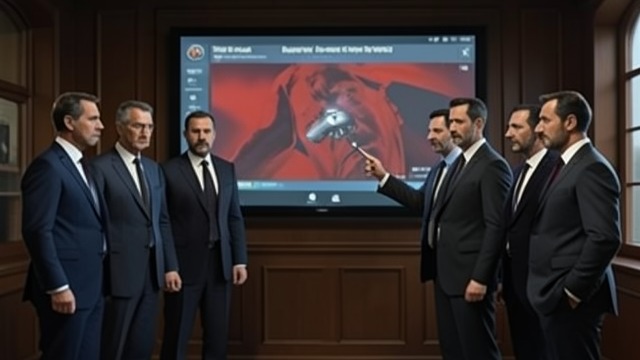
Grens brings the recording and security footage to the senior officials who authorized the operation. He identifies their voices and details the crimes their decisions may constitute.
He says he will not carry guilt for a death produced by their deception. The accusation reframes his own order as one link in a chain of responsibility.
Accountability begins
With Ågestam’s support, the evidence can be used to reopen the investigation and pursue criminal charges against high-ranking officials.
Grens does not claim to be innocent of every consequence. He insists that responsibility must be shared by those who withheld the truth and engineered the conditions for his decision.
The first days after the Västmannagatan killing
During Grens’s three-day review of peripheral suspects
The night after Hoffmann’s presumed death
After Sundkvist meets Wilson in Jacksonville
The morning Grens confronts senior officials
