Warsaw
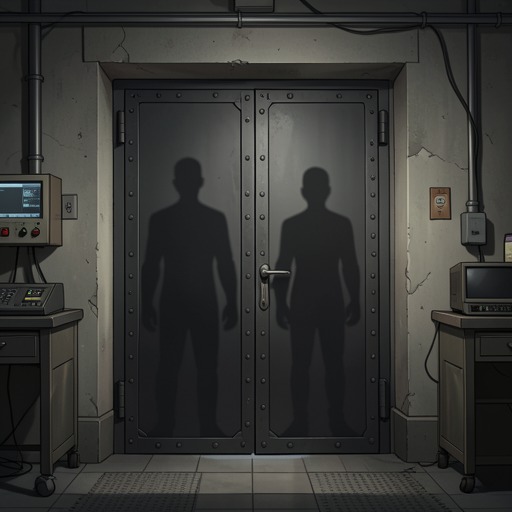
Three SecondsWarsaw functions as the criminal operation’s remote center in the prison-infiltration plot. Reports from Aspsås prison reach the city, while Hoffmann’s continuing work is intended to build intelligence capable of penetrating the organization’s heart, located in a black building on ul. Ludwika Idzikowskiego.
Warsaw in the operation
After Hoffmann had brought down the three main drug dealers at Aspsås prison using forty-two grams of manufactured amphetamine at 30 percent purity, reports had reached Warsaw and the organization’s deputy CEO. They marked the next stage by opening a bottle and raising a glass. The brief scene links the prison operation to decision-makers beyond the prison walls: events in Hoffmann’s unit are being reported to people positioned to advance the organization’s wider plans.
The intelligence route to the organization’s center
Hoffmann’s next objective was to introduce the first quantities of drugs to customers and establish the rumor that a new supplier had appeared in one of Sweden’s most secure prisons. For the Swedish police, the same phase promised information about supplies, delivery dates, and distribution channels. The plan was to let the operation develop until the organization had gained control, but before it expanded into another prison; at that point, the informant’s knowledge might reach the organization’s heart in Warsaw.
Narrative role
The city is not shown through a local scene in this evidence. Instead, Warsaw enters the narrative through the movement of reports and the projected destination of Hoffmann’s intelligence. The contrast between the confined prison operation and the black building identified as the organization’s heart gives the infiltration its larger scale: what begins with control of a prison drug market is meant to expose the leadership behind it.