
From Revenge to Creative Justice
Thus Spoke ZarathustraThis flow tracks the book’s conflict between punitive justice and the harder possibility of creating values without being ruled by vengeance.
increasing Bearing strength in each event
 decreasing
Bearing strength in each eventdecreasingThe Criminal Judged

The Criminal Judged
The act and its aftermath
Zarathustra considers a murderer who cannot bear the image of what he has done. The criminal’s torment reveals a conflict between bodily drives and the moral interpretation imposed afterward.
Punishment questioned
Zarathustra urges judges to distinguish the deed, the thought, and the later image of the deed. The distinction challenges the idea that punishment straightforwardly restores moral order.
Justice as Hidden Revenge
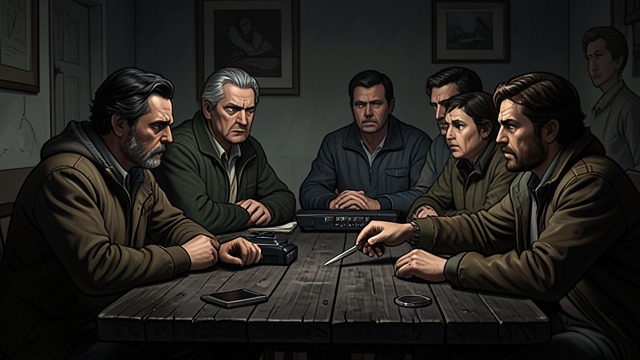
Justice as Hidden Revenge
Equality preached with anger
Zarathustra accuses the Tarantulas of disguising revenge beneath the language of equality. Their call to punish those who differ becomes a way to express frustrated power.
The moral disguise exposed
The episode asks readers to examine the emotional force behind declarations of justice. A virtue may conceal a desire to make others suffer.
The Bite and the Urge to Retaliate
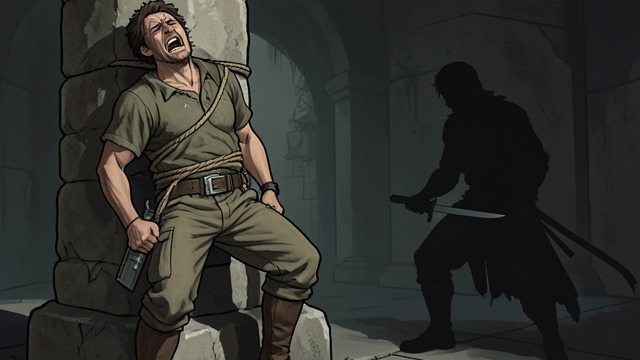
The Bite and the Urge to Retaliate
The lesson turns inward
After a Tarantula bites him, Zarathustra feels the danger of becoming dizzy with revenge himself. His critique is no longer safely directed at another person.
Self-command required
He asks his friends to bind him to a pillar rather than let him become what he opposes. The conflict reveals how difficult it is to resist punitive impulses once injured.
The Will Cannot Undo Time
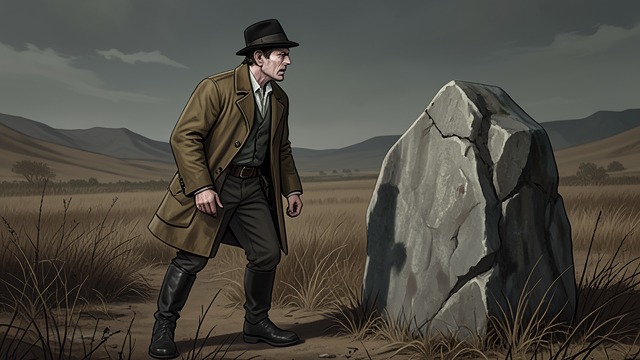
The Will Cannot Undo Time
The past as a prison
Zarathustra identifies the will’s deepest frustration as its inability to will backward. The “It was” becomes a fixed stone against which the will struggles.
Revenge answers helplessness
Punishment arises as a response to powerlessness before what has already happened. The spirit of revenge turns temporal frustration into a moral system of blame.
Redemption Through Revaluation

Redemption Through Revaluation
A creative answer proposed
Zarathustra imagines a will that can say to the past, “I willed it thus.” This does not erase events; it changes the relation to them through creative acceptance.
A question left open
He breaks off before fully explaining how such willing becomes possible. The unresolved pause makes redemption an ongoing struggle rather than a simple doctrine.
Early in Part One, during Of the Pale Criminal
Part Two, in the encounter with the Tarantulas
At the end of the Tarantula encounter
Part Two, during Of Redemption
At the close of Of Redemption
