
The Failed Romance Behind Zarathustra
Thus Spoke ZarathustraThis flow uses the introduction’s account of Nietzsche’s failed hope with Lou Salomé to illuminate the book’s recurring movement between longing for company and retreat into solitude.
increasing Bearing strength in each event
 decreasing
Bearing strength in each eventdecreasingA Life Apart
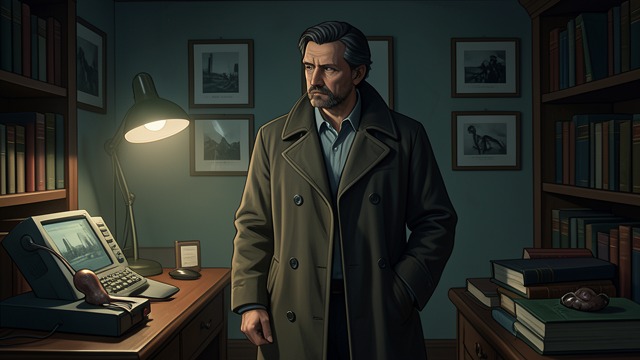
A Life Apart
Solitude becomes the norm
After leaving his university post, Friedrich Nietzsche lives largely apart from ordinary social life. His isolation intensifies as illness and intellectual work narrow his daily world.
The burden changes meaning
Solitude is both an obstacle and a condition for thought. By 1882, Nietzsche hopes it may finally give way to a more human kind of companionship.
The Promise of Lou
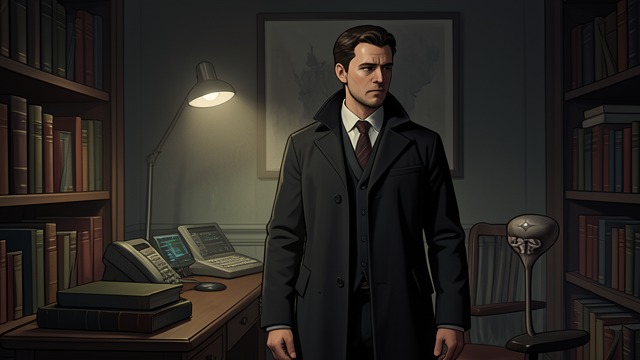
The Promise of Lou
A possible return to human life
Friedrich Nietzsche believes that Lou Andreas-Salomé’s agreement to visit may end his long separation from other people. The completion of his recent book adds to the sense that a life’s work has reached a turning point.
Hope enters the book’s orbit
He imagines learning to become human again after years of solitary thought. The hope echoes Zarathustra’s desire to descend and give wisdom away.
Marriage Hope Fails
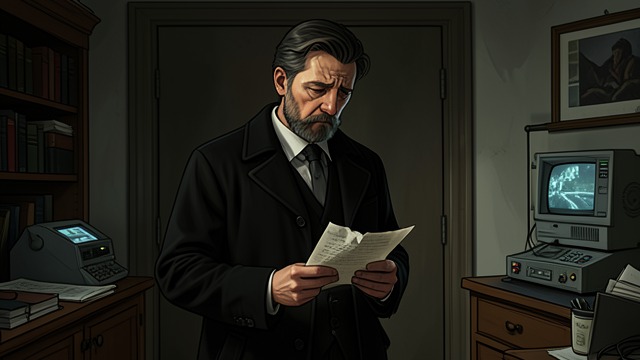
Marriage Hope Fails
A painful rejection
Lou Andreas-Salomé abandons Friedrich Nietzsche’s hope of marrying her. The disappointment turns what he had imagined as an end to solitude into renewed separation.
Emotional crisis deepens
His letters describe distrust, anguish, and difficulty sleeping. The failure becomes one element in a wider intellectual and physical crisis rather than a complete explanation of his work.
The Winter of Despair
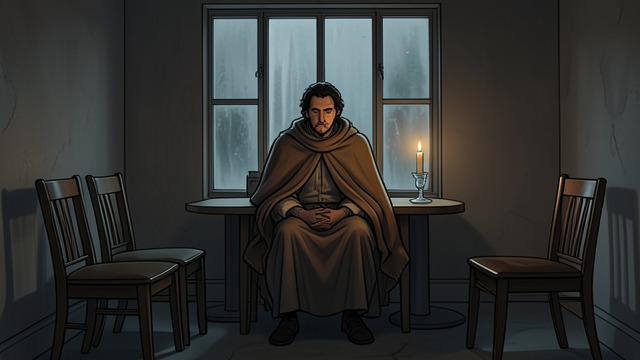
The Winter of Despair
Isolation returns
Friedrich Nietzsche writes of being overwhelmed by memories of the previous summer and uncertain about what to do. His former hope of companionship has collapsed.
A need to transform pain
He seeks a formula that might turn suffering into something bearable or valuable. The desire to transform rather than simply endure anticipates the book’s emphasis on creation and affirmation.
Zarathustra’s Eruption

Zarathustra’s Eruption
A new book breaks through
Friedrich Nietzsche begins the first part of Thus Spoke Zarathustra in a state he later describes as inspiration. The introduction presents its arrival as an eruption after accumulated tension.
Solitude becomes a voice
The book transforms the crisis into a dramatic figure who descends to teach, is misunderstood, and returns to isolation. Personal disappointment informs the emotional atmosphere without reducing the work to autobiography.
After Nietzsche’s retirement in 1879
Summer 1882, during the completion of The Gay Science
Autumn 1882, after Lou’s departure
Christmas 1882
January 1883, after ten cheerful days
