
The Struggle Between Solitude and Companionship
Thus Spoke ZarathustraThis flow tracks how Zarathustra’s solitude enables his work while repeatedly colliding with his desire for companions, followers, and future children.
increasing Bearing strength in each event
 decreasing
Bearing strength in each eventdecreasingSolitude as Sustenance

Solitude as Sustenance
Years of inward abundance
Zarathustra spends a decade in the mountains with Zarathustra’s Eagle and Serpent. His separation from people becomes a period of spiritual enjoyment and accumulated wisdom.
The longing to give
When his heart turns, he feels that wisdom has become too abundant to keep. The first descent begins as a desire for human exchange rather than a rejection of solitude.
A Human Gift Refused
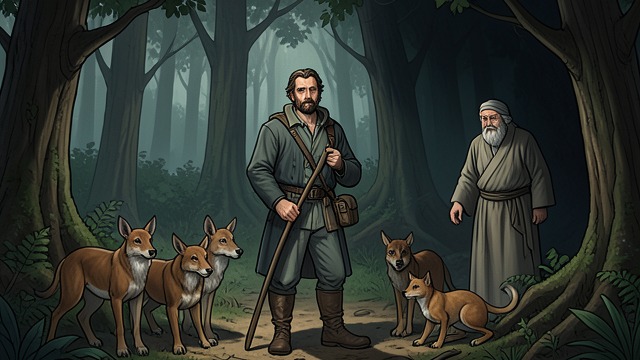
A Human Gift Refused
A warning from the saint
The old saint advises Zarathustra to remain among animals and warns that people distrust solitary givers. His experience makes withdrawal appear safer than renewed contact.
Zarathustra chooses humanity
Zarathustra answers that he loves mankind and carries a gift. Their parting shows that his mission depends on a hope the saint has abandoned.
A Corpse as Companion
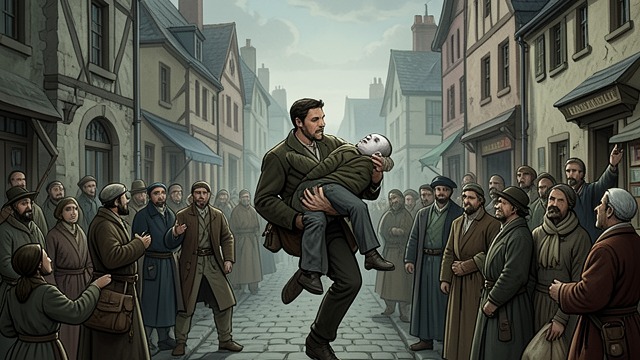
A Corpse as Companion
Contact comes too late
Zarathustra carries the dying tightrope walker through the town and into the forest. He has shown care, but the man cannot become a living companion.
A lesson in relationship
At dawn, Zarathustra recognizes that he needs people who follow themselves. The discovery shifts his longing from the dead and abandoned toward fellow creators.
Disciples Sent Away

Disciples Sent Away
Affection without possession
Zarathustra gives his followers teachings and then tells them to leave him behind. He treats separation as necessary if they are to become independent.
A future reunion imagined
He promises that they may meet again after they have denied him and found themselves. The bond survives, but only through freedom from obedience.
Solitude Reclaimed

Solitude Reclaimed
The home that understands
Zarathustra addresses solitude as a companion that accepts his speech and hidden feelings. The mountain gives him relief from the noise and misunderstanding of people.
Separation remains painful
His return is not a rejection of all human attachment. It restores the conditions from which he can later face others and continue his work.
Before Zarathustra’s first descent
On the descent through the forest
The night after the tightrope walker’s fall
At the end of Part One
Part Three, on the return to the cave
