
Zarathustra’s Recognition of the Ugliest Man
Thus Spoke ZarathustraThis flow follows the Ugliest Man’s flight from divine scrutiny, his encounter with Zarathustra, and his brief recovery of life-affirming joy.
increasing Bearing strength in each event
 decreasing
Bearing strength in each eventdecreasingThe Murder of the Witness
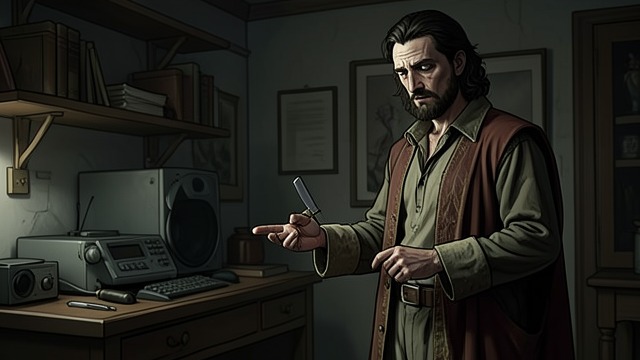
The Murder of the Witness
An unbearable gaze
The Ugliest Man explains that he killed God because God saw every hidden disgrace and ugliness in humanity. The divine witness made privacy and self-concealment impossible.
Freedom without comfort
The murder removes the gaze that condemned him, but it does not erase his shame or suffering. He remains isolated and pursued by the compassion of others.
A Refuge in the Valley
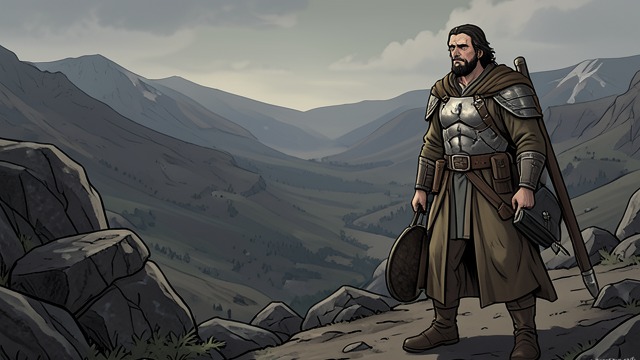
A Refuge in the Valley
A dangerous encounter
Zarathustra finds the Ugliest Man hidden in a desolate valley. The man demands that he stay and recognize the identity of the person who killed God.
Recognition rather than pity
Zarathustra names the deed and understands why the man fears compassion. His response allows the Ugliest Man to speak without becoming a mere object of charitable attention.
The Hidden Shame Explained
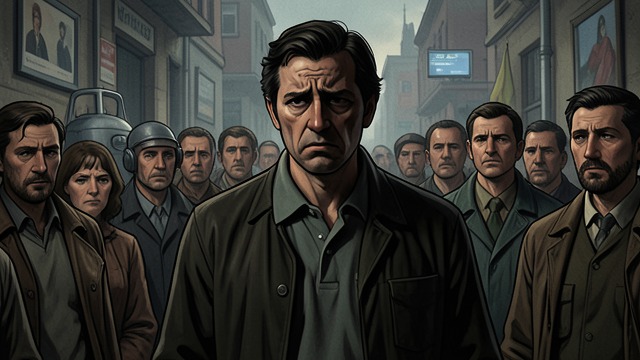
The Hidden Shame Explained
Flight from the compassionate
The Ugliest Man says that pity humiliates him more than persecution. He seeks someone who can recognize his condition without displaying moral superiority.
A critique of the crowd
His account links personal shame to the rule of small, ordinary judgments. He sees a society where the values of the many have gained authority over uncommon suffering.
An Invitation to the Cave
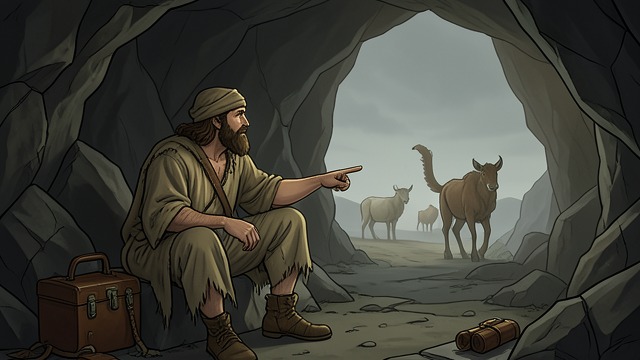
An Invitation to the Cave
Shelter without absolution
Zarathustra invites the Ugliest Man to his cave and points him toward the animals as potential counselors. The offer provides shelter but does not claim to cure or justify him.
A way back among others
The invitation asks him to try living near people again, though within a protected community. The encounter shifts him from absolute isolation toward participation.
One Day Worth Living
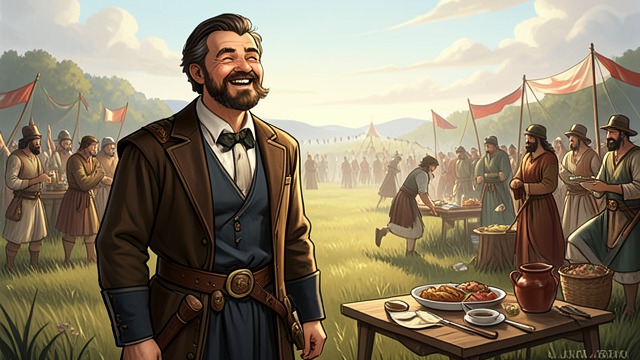
One Day Worth Living
An unexpected affirmation
After the evening’s meal and festival, the Ugliest Man says that a single day with Zarathustra has taught him to love the earth. He discovers an answer to despair in a lived experience, not a doctrine.
Recurrence as a response
He asks whether he can say “once more” to life. His joy briefly gathers the Higher Men around Zarathustra, though the sign that follows shows the transformation is not yet secure.
Before the Part Four encounter
Part Four, at Serpent’s Death
During their conversation in the valley
At the end of the valley encounter
Part Four, during the Intoxicated Song
