
The Fire-Dog and Empty Revolution
Thus Spoke ZarathustraThis flow follows Zarathustra’s debate with the Fire-Dog as a distinction between noisy upheaval and lasting transformation through new values.
increasing Bearing strength in each event
 decreasing
Bearing strength in each eventdecreasingThe Island Rumor
The Island Rumor
A disturbing apparition
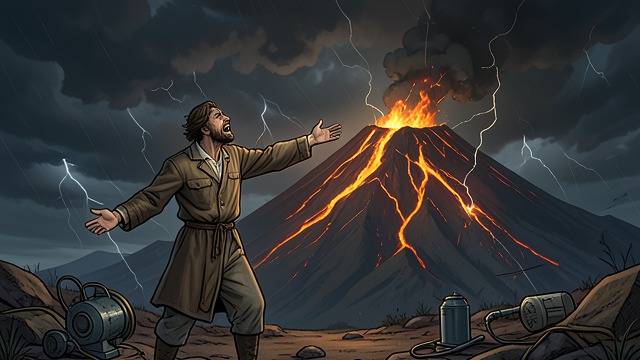
Sailors report seeing Zarathustra fly toward a smoking volcano and cry that the time has come. Their story spreads alarm among his followers.
The unanswered urgency
Zarathustra himself wonders what the phantom’s cry means. The uncertainty foreshadows an approaching demand that cannot yet be stated plainly.
The Fire-Dog Summoned
The Fire-Dog Summoned
A challenge from below
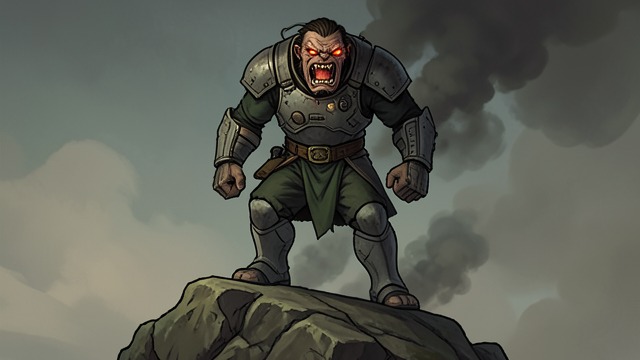
Zarathustra calls the Fire-Dog up from its depth and questions the source of its revolutionary noise. The encounter turns political upheaval into a figure that must explain itself.
Surface anger exposed
The Fire-Dog’s smoke and bellowing suggest power, but Zarathustra suspects that its speech remains bitter and superficial. Its dramatic force becomes the subject of scrutiny.
Noise Mistaken for Change
Noise Mistaken for Change
The spectacle of overthrow
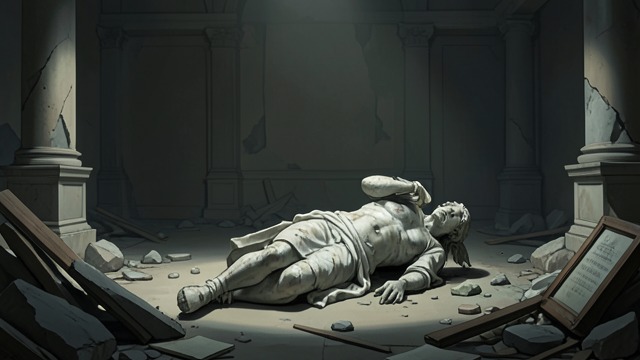
Zarathustra questions the belief that destruction of statues, cities, or institutions is itself a great event. The visible crash may leave deeper values untouched.
Quiet change matters more
He argues that the world turns around inventors of new values, not inventors of new noise. The contrast distinguishes lasting transformation from theatrical rebellion.
The State’s Shared Rhetoric
The State’s Shared Rhetoric
Hypocrisy recognized
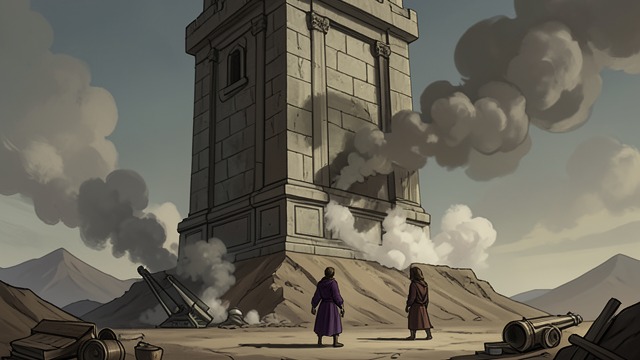
Zarathustra compares the Fire-Dog’s smoke and roar to the state’s claims of importance. Both speak as though they express the deepest truth while concealing interests of power.
Authority put in perspective
The comparison prevents revolution from being romanticized simply because it opposes existing institutions. A new order must be judged by what it creates, not by its noise.
The Golden Heart of Earth
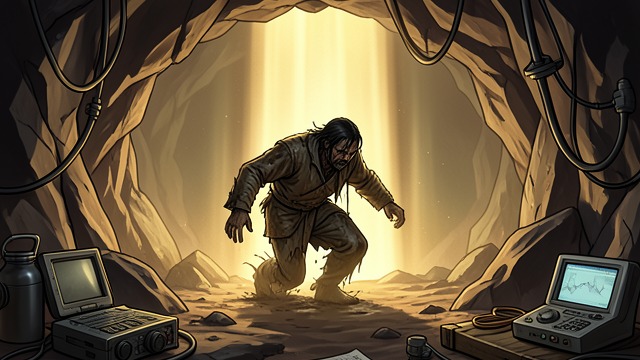
The Golden Heart of Earth
A different power imagined
Zarathustra contrasts the Fire-Dog’s ash and mud with laughter and gold rising from the earth’s heart. The image offers creation and abundance as alternatives to resentment.
A retreat without resolution
The Fire-Dog falls silent and crawls back into its cave. Its defeat is comic rather than final, leaving the deeper question of how genuine new values might emerge.
Part Two, while Zarathustra lives on the Blissful Islands
During Zarathustra’s encounter on the volcanic island
Midway through the island dialogue
Later in the same conversation
At the end of the island dialogue
