
The Kings’ Search for a Higher Ruler
Thus Spoke ZarathustraThis flow follows the two kings from disgust with political society to their search for a ruler they hope will embody a higher human type.
increasing Bearing strength in each event
 decreasing
Bearing strength in each eventdecreasingThe Kings Leave Court
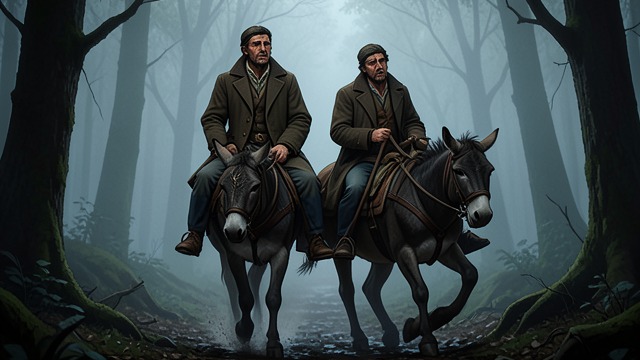
The Kings Leave Court
Flight from ceremony
The King on the Right and the King on the Left travel away from their courtly world with a loaded Ass. They complain that formal nobility has become false and corrupt.
Disgust as motive
Their journey begins not from a clear new political vision but from revulsion at the society they have governed. Their dissatisfaction makes them seekers rather than confident rulers.
The Peasant Ideal
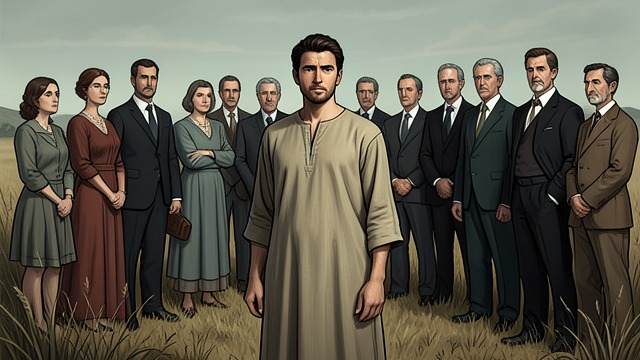
The Peasant Ideal
An alternative imagined
One king praises the healthy, enduring peasant as a better type than the gilded elites surrounding him. The speech shows how far the kings’ contempt for courtly life has carried them.
A narrow answer
Their ideal remains reactive: they know what they reject more clearly than what should replace it. Their search for a Higher Man reflects this unresolved need.
Recognition by Zarathustra
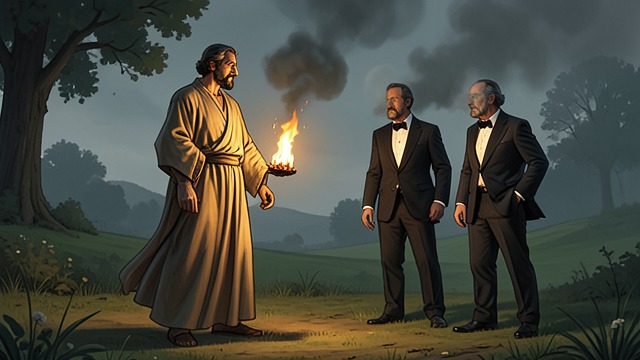
Recognition by Zarathustra
The seekers are discovered
Zarathustra identifies himself and asks whether the kings have found the Higher Man he seeks. The kings respond with relief, believing that he understands their distress.
A shared expectation
They hope that a superior human being might also become the highest ruler. Their expectation reveals the political assumptions they carry into the encounter.
Warrior Memories Awakened

Warrior Memories Awakened
Old values revived
The kings respond warmly to Zarathustra’s praise of courage and war. They remember ancestors who regarded prolonged peace as enervating.
Nostalgia complicates change
Their enthusiasm comes through inherited memories and ceremonial language. The scene suggests that they may admire transformation without yet becoming creators of new values.
Guests but Not Heirs
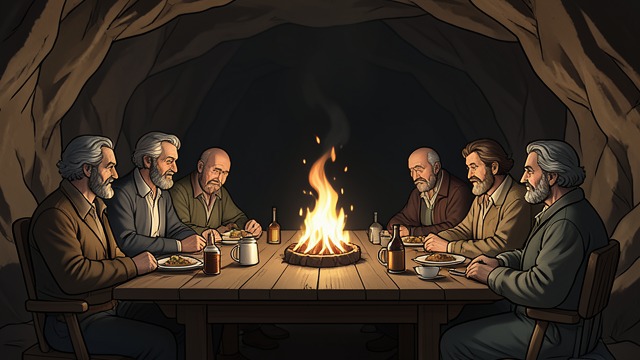
Guests but Not Heirs
A place in the company
The kings join the other Higher Men in Zarathustra’s cave and take part in its meal and festival. They find temporary relief from the society they abandoned.
The limit of their claim
Zarathustra tells the visitors they are not high or strong enough to serve as his true companions. The kings remain figures of transition, not founders of the future.
Part Four, on the mountain road
During the kings’ conversation before meeting Zarathustra
When Zarathustra emerges from hiding
During the kings’ exchange about Zarathustra’s teachings
At the cave gathering in Part Four
