
From the Crowd to the Solitary Creator
Thus Spoke ZarathustraThis flow tracks Zarathustra’s search for an audience capable of creating rather than merely receiving doctrine.
increasing Bearing strength in each event
 decreasing
Bearing strength in each eventdecreasingThe Crowd Laughs
The Crowd Laughs
A failed public appeal
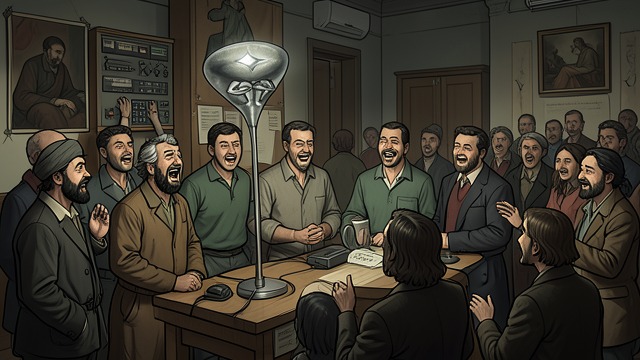
Zarathustra offers the Superman as the meaning of the earth, but the crowd responds by asking for the Ultimate Man. The mismatch makes the marketplace a place of spectacle rather than understanding.
The first lesson
The failed address teaches Zarathustra that proximity to an audience does not create genuine communication. He must find listeners willing to risk becoming different.
The Search for Companions
The Search for Companions
A living audience
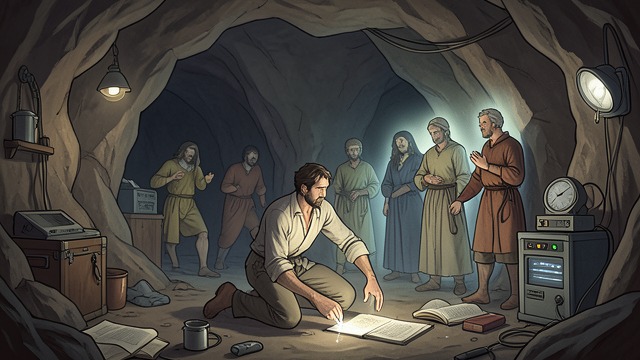
Zarathustra recognizes that a corpse cannot become a companion. He seeks people who follow because they want their own paths, not because they need a shepherd.
Fellow creators
His new aim is to find collaborators who can inscribe values of their own. This changes his mission from delivering a message to cultivating independent creation.
The Rejected Teacher
The Rejected Teacher
Anxiety over distortion
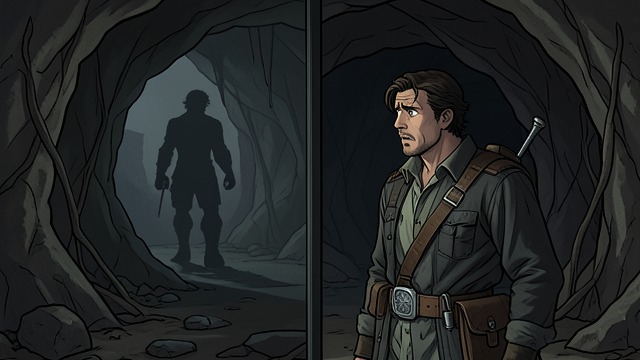
Zarathustra dreams of seeing a devilish image where he expected himself. He fears that enemies have turned his teaching into something his friends can no longer recognize.
Renewed exposure
He returns to speak again, embracing even the possibility of conflict with former companions. His renewed approach remains vulnerable to misunderstanding and demands eventual retreat.
The Higher Men Arrive
The Higher Men Arrive
A gathering of the dissatisfied
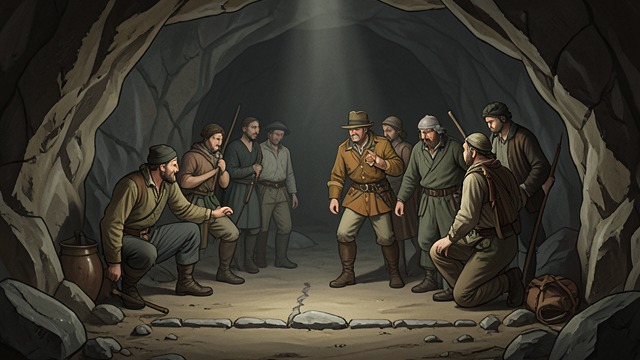
The Higher Men come to Zarathustra’s cave seeking hope, guidance, or refuge. Their arrival fulfills the expectation that hidden people will eventually seek him out.
A boundary is drawn
Zarathustra welcomes them but refuses to mistake them for his true future companions. Their limitations make them omens of a coming transformation, not its finished form.
The Audience Still to Come
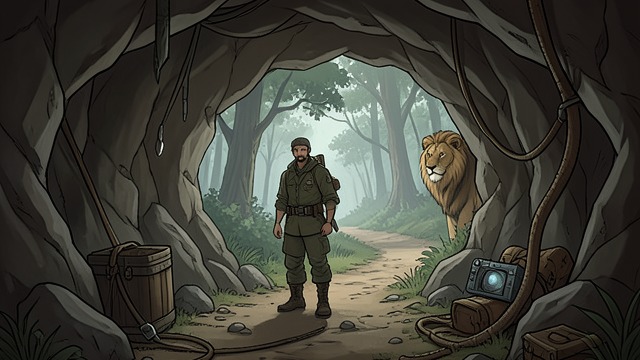
The Audience Still to Come
An unfinished mission
Zarathustra sees that the Higher Men have not yet become strong enough for his warfare. His hopes instead turn toward future children and creators.
Departure into work
At the sign of the lion, he leaves the cave prepared for his next descent. The ending closes this cycle while leaving the larger mission unresolved.
At Zarathustra’s first marketplace address
After the tightrope walker’s fall
After the mirror dream in Part Two
Part Four, after the cry of distress
At the book’s final dawn
