
The Book’s Dramatic Architecture
Thus Spoke ZarathustraThis flow follows the changing dramatic shape of the four parts, from public proclamation to private ordeal and comic gathering.
increasing Bearing strength in each event
 decreasing
Bearing strength in each eventdecreasingProclamation and Misfire
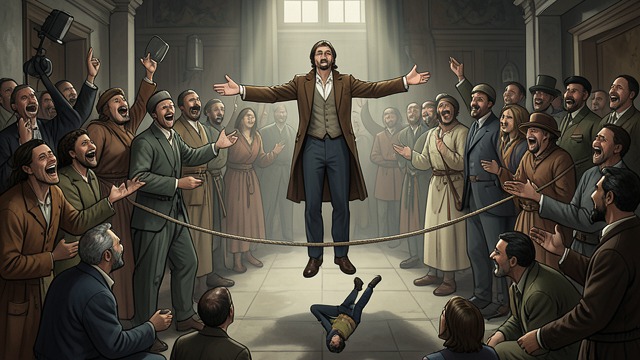
Proclamation and Misfire
The prophet enters public life
Zarathustra descends from solitude bearing an abundant teaching. His first attempt to reach humanity takes place amid a crowd waiting for entertainment.
The dramatic reversal
The crowd’s laughter and the tightrope walker’s death turn proclamation into failure. Zarathustra’s attention shifts toward individual companions and the work of teaching them.
Discourses as Experiments
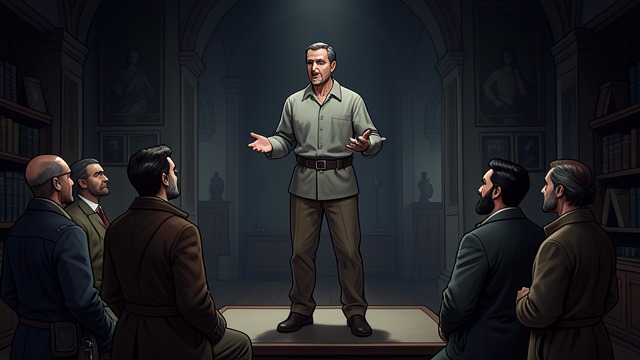
Discourses as Experiments
Many subjects, one direction
Zarathustra speaks on virtue, the body, friendship, the state, love, and death. Each subject is tested against the overarching demand that humanity overcome itself.
Independence as the ending
The closing discourse praises giving and releases the disciples from dependence. The part ends by turning instruction into a challenge to outgrow the teacher.
Return and Deepening Crisis
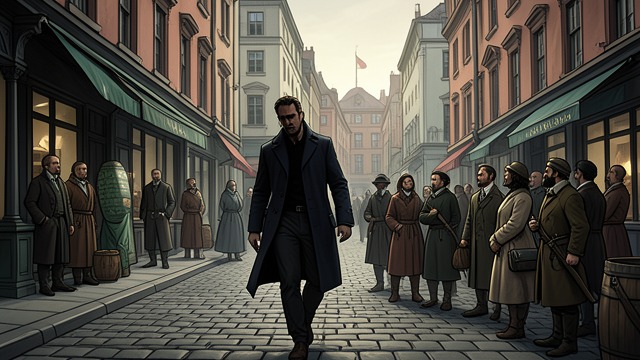
Return and Deepening Crisis
Renewed contact
Zarathustra returns from solitude with a desire to recover friends and confront enemies. His discourses broaden into attacks on pity, priests, scholars, and false forms of justice.
A hidden doctrine presses forward
A fantastical encounter and a growing unease bring eternal recurrence closer to speech. The Stillest Hour ends the part by commanding Zarathustra to leave again.
Solitary Climax
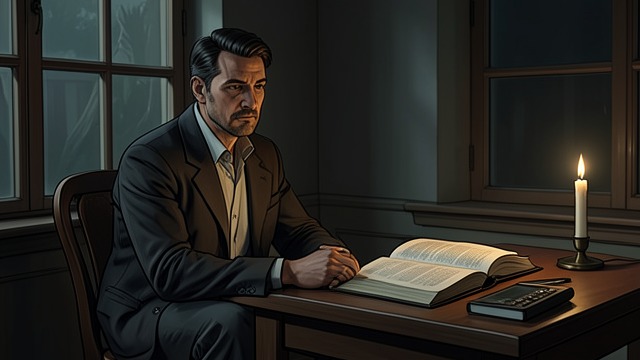
Solitary Climax
A thought approached through riddles
The voyage and the vision of the shepherd dramatize Zarathustra’s struggle with recurrence. The teaching moves from suggestive images toward explicit acceptance.
The songs of affirmation
The closing poems unite eternity, joy, suffering, and return. Zarathustra’s inner education reaches its culmination while his solitude remains intact.
Comic Trial of the Higher Men
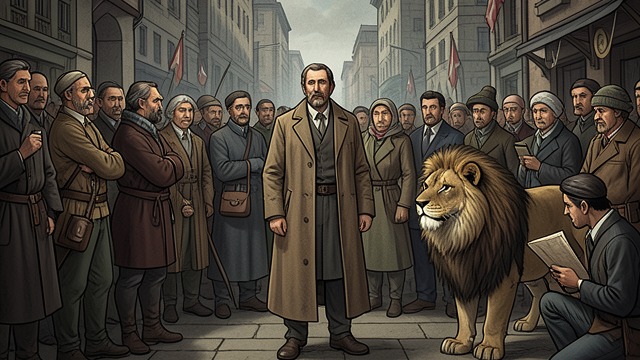
Comic Trial of the Higher Men
Visitors become a test
A sequence of encounters brings kings, a sorcerer, a former pope, and other figures into Zarathustra’s orbit. Their mixed motives make the final part more theatrical and satirical.
Festival and renewed departure
The visitors recover enough joy to worship the Ass and celebrate, yet they still fall short of Zarathustra’s goal. The lion’s arrival ends their episode and sends him onward.
Part One, from the mountain descent through the marketplace
The remainder of Part One
Part Two, from the mirror dream to the Stillest Hour
Part Three, from the sea voyage to the Seven Seals
Part Four, from the first visitors to the final sign
