
The Spirit of Gravity Versus Dance
Thus Spoke ZarathustraThis flow follows the recurring struggle between heaviness and lightness, from Zarathustra’s early ridicule of solemnity to his final challenge to the Higher Men.
increasing Bearing strength in each event
 decreasing
Bearing strength in each eventdecreasingGravity Named as Enemy
Gravity Named as Enemy
A spiritual obstacle
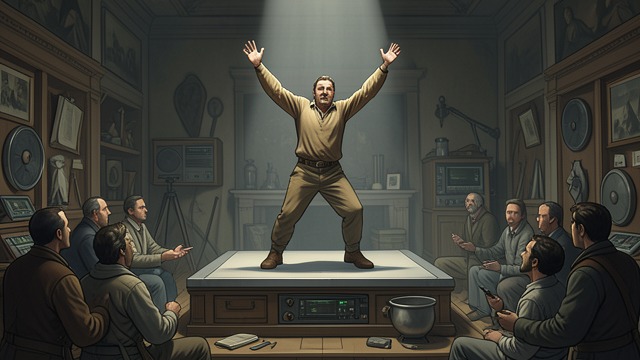
Zarathustra names the Spirit of Gravity as the force that makes existence heavy and solemn. His answer is not argument alone but laughter, movement, and a willingness to risk ridicule.
Lightness as discipline
The dancer’s body offers an image of thought that can rise above tragedy without denying its presence. This conflict becomes a recurring measure of Zarathustra’s health.
Life Invites the Dance
Life Invites the Dance
A playful encounter
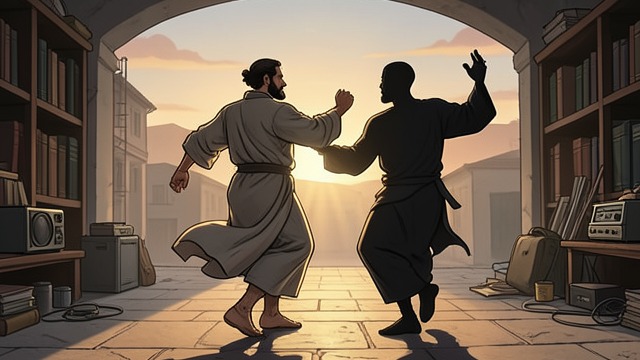
Zarathustra sings to Life as a changeable, elusive partner. Their exchange turns wisdom into an intimate dance rather than a fixed body of propositions.
Evening returns uncertainty
When the dance ends, Zarathustra grows sad and asks whether life is foolish to continue. Lightness does not abolish doubt; it gives doubt a form that can be endured.
The Dance of Values
The Dance of Values
Fixed standards loosen
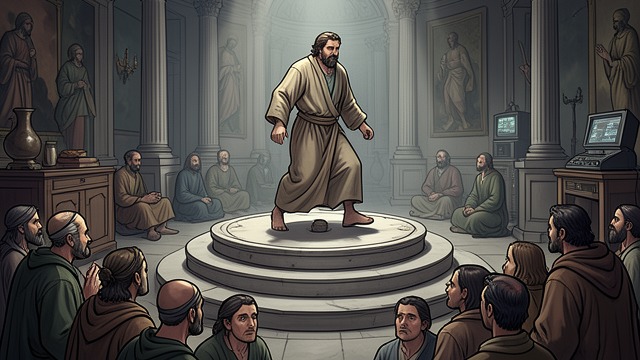
Zarathustra imagines becoming and time as a dance that unsettles rigid moral boundaries. Old commands resemble heavy structures that can no longer claim permanent authority.
Creation needs a surface
The Spirit of Gravity remains necessary as something to dance upon and overcome. The conflict is therefore productive: resistance gives movement its challenge.
The Higher Men Asked to Laugh
The Higher Men Asked to Laugh
Failure without final defeat
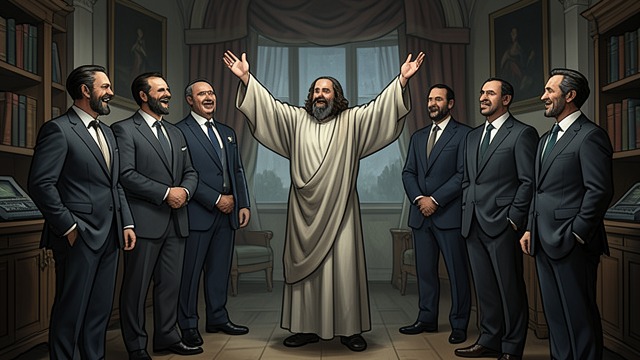
Zarathustra tells the Higher Men that their failures do not settle what humanity can become. Their seriousness and self-contempt must be challenged by a capacity to laugh.
Joy as an achievement
The teaching does not excuse weakness; it asks the visitors to transform it into movement. Learning to laugh beyond themselves becomes a test of whether they can escape heaviness.
The Laughing Departure
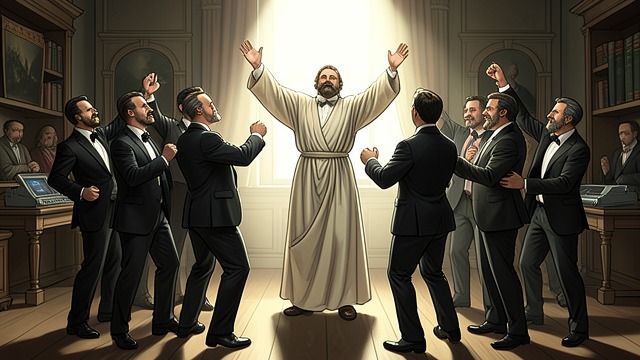
The Laughing Departure
A momentary recovery
The Higher Men have laughed and celebrated, showing that their despair has loosened. Their festivity makes Zarathustra’s influence visible in their changed mood.
The task resumes
The lion’s roar sends them fleeing, while Zarathustra recognizes his morning has begun. Dance and laughter matter as signs of recovery, not as the completion of the work.
Early in Part One, in Of Reading and Writing
Part Two, during the Dance Song
Part Three, during the reflections on old law-tables
Part Four, during Of the Higher Man
At dawn, after the Ass Festival
