
Zarathustra’s Uneasy Bond with the Higher Men
Thus Spoke ZarathustraThis flow follows the Higher Men’s dependence on Zarathustra, their temporary recovery, and his eventual refusal to treat them as his true heirs.
increasing Bearing strength in each event
 decreasing
Bearing strength in each eventdecreasingThe Cry Calls Zarathustra

The Cry Calls Zarathustra
A distant appeal
The Prophet of the Great Weariness tells Zarathustra that a Higher Man is calling for him. The sound awakens concern and a sense of responsibility.
A dangerous attachment
Zarathustra moves toward the caller even though he suspects that pity may distract him from his work. His bond with the distressed remains emotionally powerful.
Hospitality at the Cave
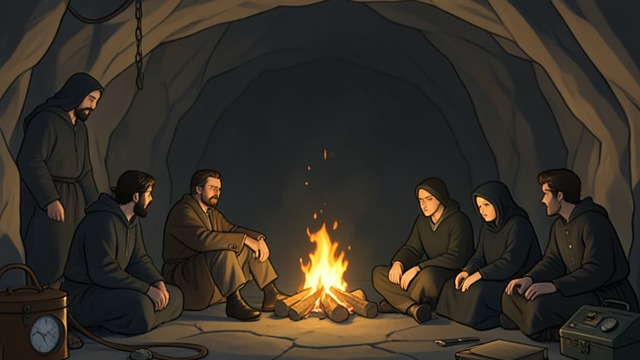
Hospitality at the Cave
A refuge offered
Zarathustra welcomes the visitors, promises security, and makes his cave their resting place. He responds to their vulnerability with generosity and warmth.
Closeness with limits
He also tells them that they are not strong or beautiful enough to be his true companions. His hospitality does not require him to pretend they have already reached his standard.
The Visitors Praise Their Host
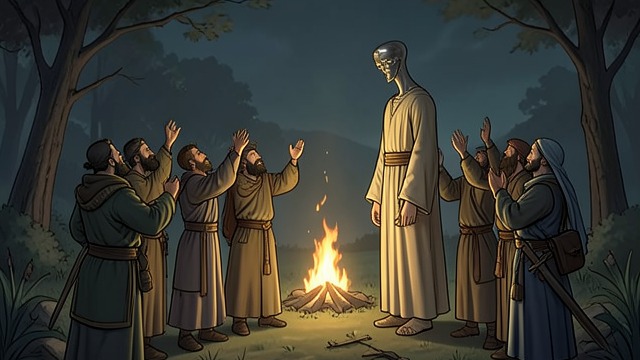
The Visitors Praise Their Host
Zarathustra as a source of hope
The King on the Right says that Zarathustra’s presence has brightened their eyes and relieved their distress. The visitors see him as a tree that offers shelter to troubled people.
Praise risks dependence
Their admiration can become another form of following rather than self-transformation. Zarathustra resists adoration while accepting their temporary company.
A Shared Night of Celebration
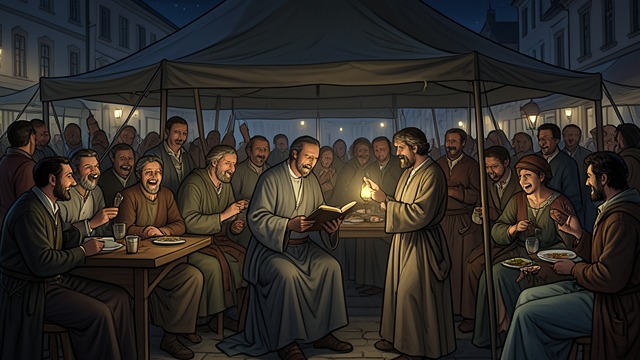
A Shared Night of Celebration
Relief expressed through play
The visitors laugh, eat, and finally join in the Ass Festival. Zarathustra reads their new cheerfulness as evidence that despair has loosened its grip.
Recovery remains incomplete
Their return to worship shows that the old need for authority persists beneath their laughter. The bond is real, but it has not made them independent creators.
The Final Separation

The Final Separation
A sign divides host and guests
When the lion roars, the Higher Men flee and leave Zarathustra alone. Their response reveals that his emerging future is beyond their present courage.
Affection yields to work
Zarathustra feels pity but refuses to let it define his next step. He leaves the cave in strength, preserving the relation by refusing to make the visitors his destination.
Part Four, before the mountain encounters
Part Four, when the visitors arrive
During the greeting in the cave
The night of the Ass Festival
At dawn, after the lion roars
